Ciso Tool
Ciso Tool
Ciso Tool
Explore our elite selection of high-tolerance watch straps, spring bars, hands, dials, and customized bezels.
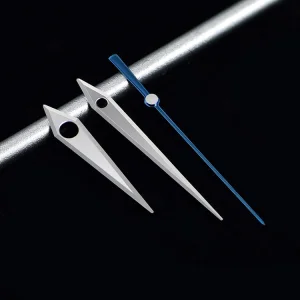
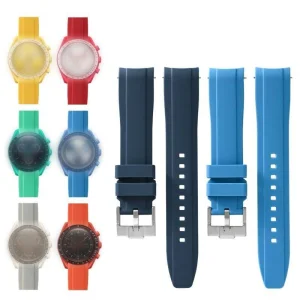
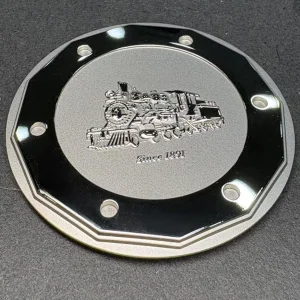
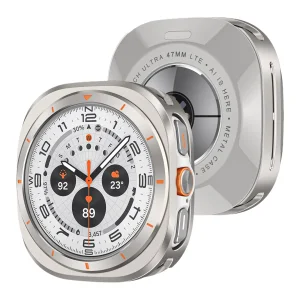
Founded in 2006, Dongguan Ciso Tool Co., Ltd. is a leading global pioneer specializing in the research, development, and high-precision manufacturing of mid-to-high-end watch components and complete horological OEM/ODM solutions. Over nearly two decades, we have transitioned from a specialized tooling facility into an integrated engineering and manufacturing enterprise capable of addressing the complex demands of the world's finest watchmaking houses.
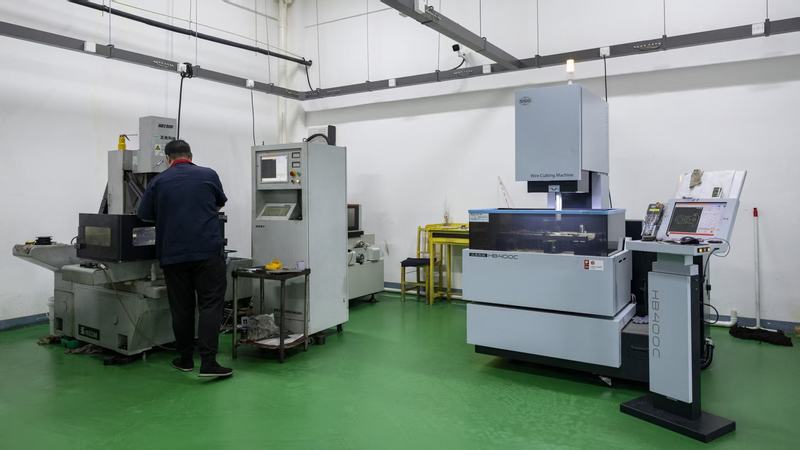
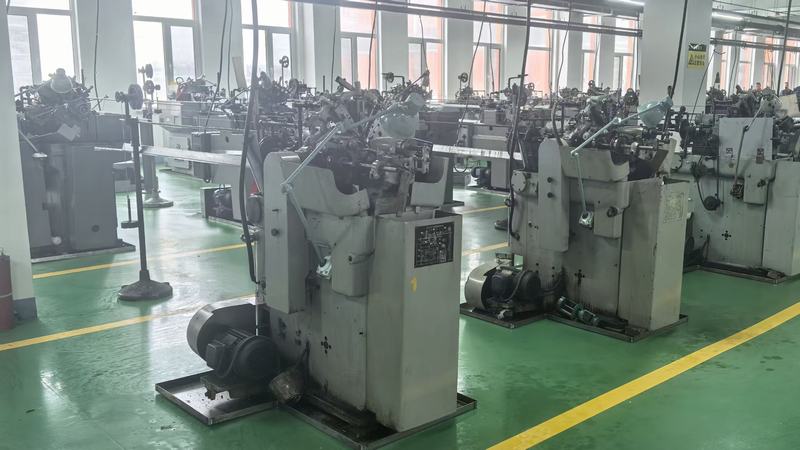
Through our state-of-the-art facilities in Southern China's manufacturing core, we manage the entire value chain from initial concept sketch and CAD blueprints to raw material forging, multi-axis CNC milling, heat treatment, surface decoration, and cleanroom assembly.
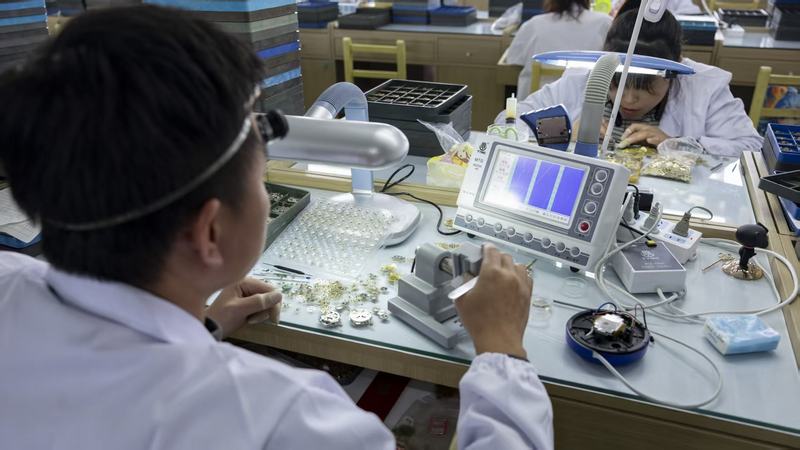
Implementing strict international standards and QA processes. From chemical composition analysis of stainless steels to dimensional tolerance checks of movement shafts down to +/-0.002mm, we guarantee zero-defect shipments to global assembly points.
A Whitepaper on High-Precision OEM/ODM Manufacturing, Metallurgical Treatments, and Global Market Structures.
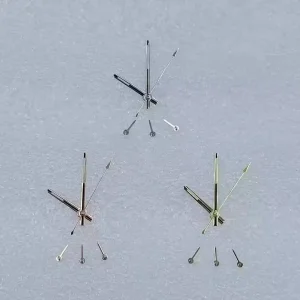
In modern horology, the term "watch indicator" encompasses far more than a simple hour or minute hand. It denotes the critical visual interface between the mechanical watch caliber and the end-user. Watch indicators include primary hands, chronographic split-seconds hands, sub-dial registers, mechanical power reserve meters, retrograde date indicators, and moon-phase discs.
Currently, the global watch component manufacturing market is divided into three primary clusters: the Swiss high-luxury tier (relying heavily on localized micro-engineering and vertically integrated manufactures), the Japanese high-volume efficiency tier, and the Southern Chinese high-precision precision engineering clusters. Cities like Dongguan and Shenzhen have evolved from low-cost assembly hubs into technological epicenters of ultra-precision watch components. The industrial status of watch indicators in this region is characterized by high capital investment in multi-axis CNC machines, laser-cutting installations, and specialized chemical plating laboratories that rivals European output in both quality and scale.
As watch micro-brands experience explosive global growth and traditional horological groups outsource key decorative sub-assemblies, reliable ODM and OEM watch indicator manufacturers have become crucial cornerstones of the supply chain. These entities must bridge the gap between traditional manual handcraft and computer-numeric repeatability to guarantee consistent fitment over calibers from Swiss ETA, Sellita, and Japanese Seiko (NH35/NH34) or Citizen Miyota families.
The manufacturing paradigms of watch indicators have shifted towards advanced material sciences. While traditional stamped brass remains the standard for entry-level calibers, modern high-end watch indicators are driven by three distinct material developments:
Engineering watch hands and indicators demands adherence to micro-tolerances that approach semiconductor levels. The inner diameter of the hand pipe (for fitment onto movement pinions) must be maintained within +/-0.002mm (2 microns). A discrepancy of even 5 microns can cause the hand to either slip during mechanical shocks or damage the delicate central pinions of high-performance calibers like the SW200 or NH35.
Our design and engineering roadmap focuses heavily on reducing indicator drag and balancing counterweights. Chronograph second hands, which can reach lengths of up to 18mm, require precise weight distribution. Without a micro-balanced counterweight tail, the sudden deceleration of a fly-back mechanism will wear down the chronograph wheel tooth profile prematurely. High-speed cameras and dynamic balancing software are utilized during the prototyping phase to map these force profiles.
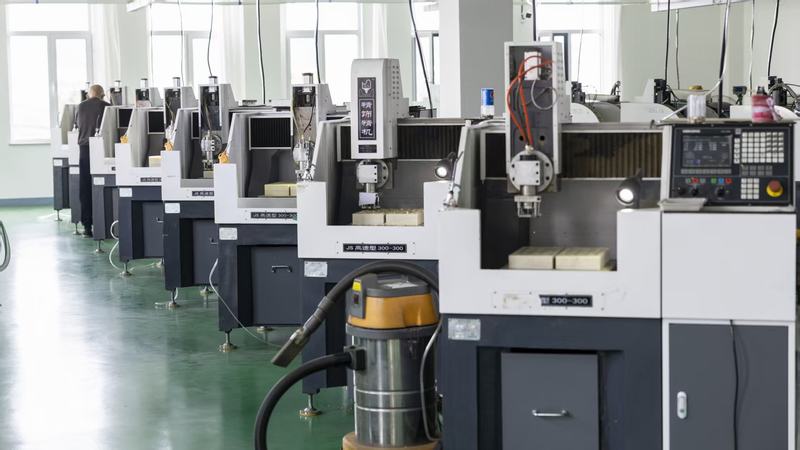
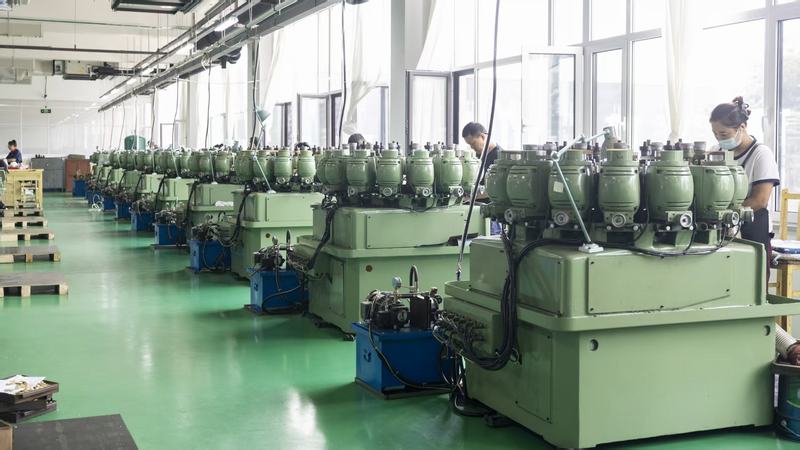
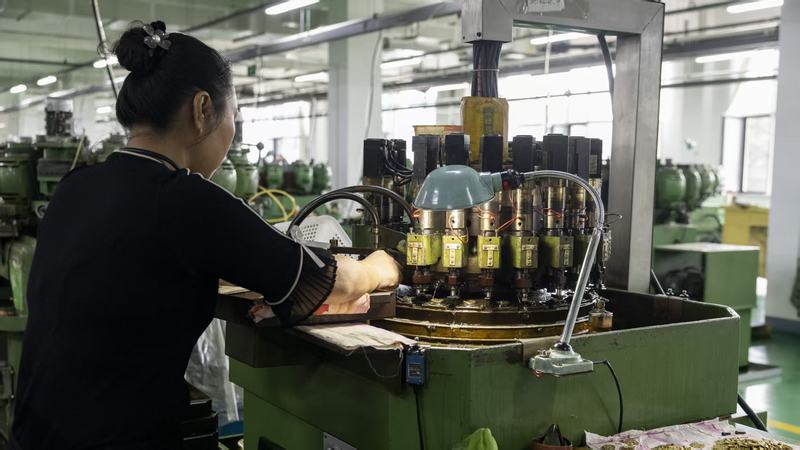
Multi-axis precision milling machines secure the exact hand-pipe geometry, ensuring perfect press-fit compatibility with Japanese and Swiss mechanical calibers.
Diamond-cutting polishing heads create flawless 45-degree mirror bevels on the flanks of hands, creating high-contrast legibility in varying light conditions.
Using premium grade 316L and 304 stainless steels, copper alloys, and high-end ceramics to meet rigorous hypoallergenic and durability criteria.
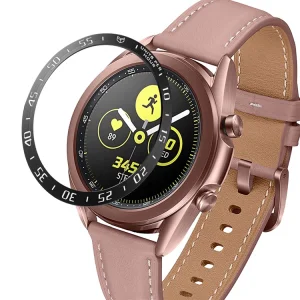
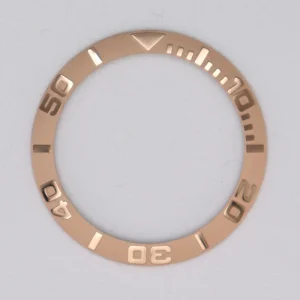
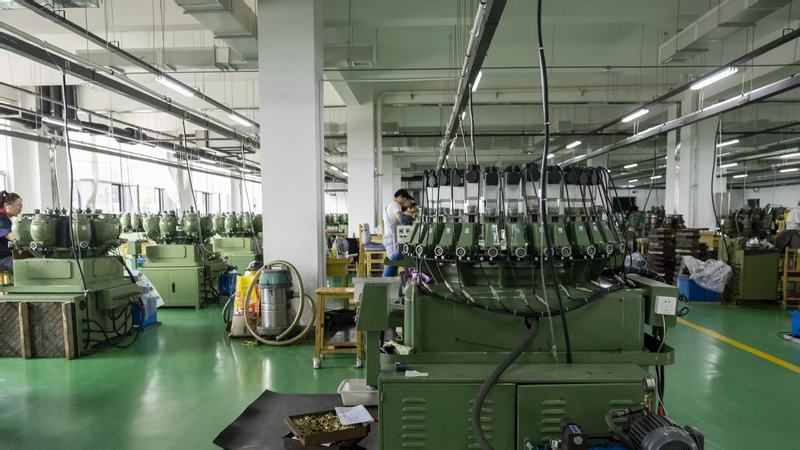
For international watch brands, sourcing individual parts from disconnected manufacturers introduces complex quality risks. Dongguan Ciso Tool Co., Ltd. addresses this challenge by providing fully integrated, turn-key watch component solutions. By utilizing our 20,000-square-meter facility, we synchronize the design and production of watch hands, dials, straps, and cases concurrently. This holistic engineering approach guarantees that a custom bezel insert (whether ceramic or aluminum) aligns precisely with the dial indicators, crystal gasket pressure parameters, and external bumper tolerances.
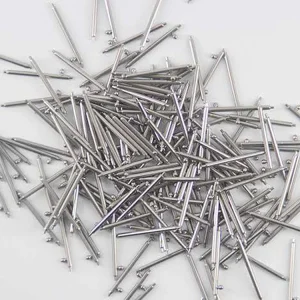
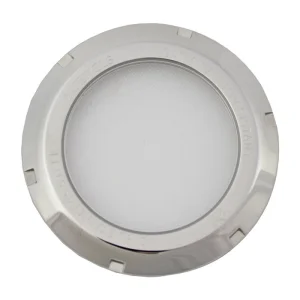
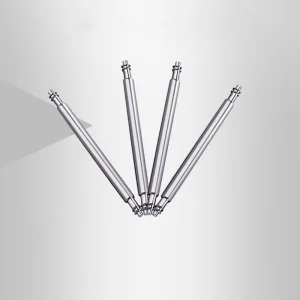
Furthermore, our production line handles delicate sub-assemblies. For instance, when producing transparent case backs or quick-release spring bars, we pre-test the mechanical load limits using industrial stress gauges. By doing so, we ensure that watch bands and protective bumper cases do not cause galvanic corrosion or wear on the watch case finish.
Different watch genres demand targeted mechanical and aesthetic engineering. Our OEM/ODM design process is structured around these application contexts:
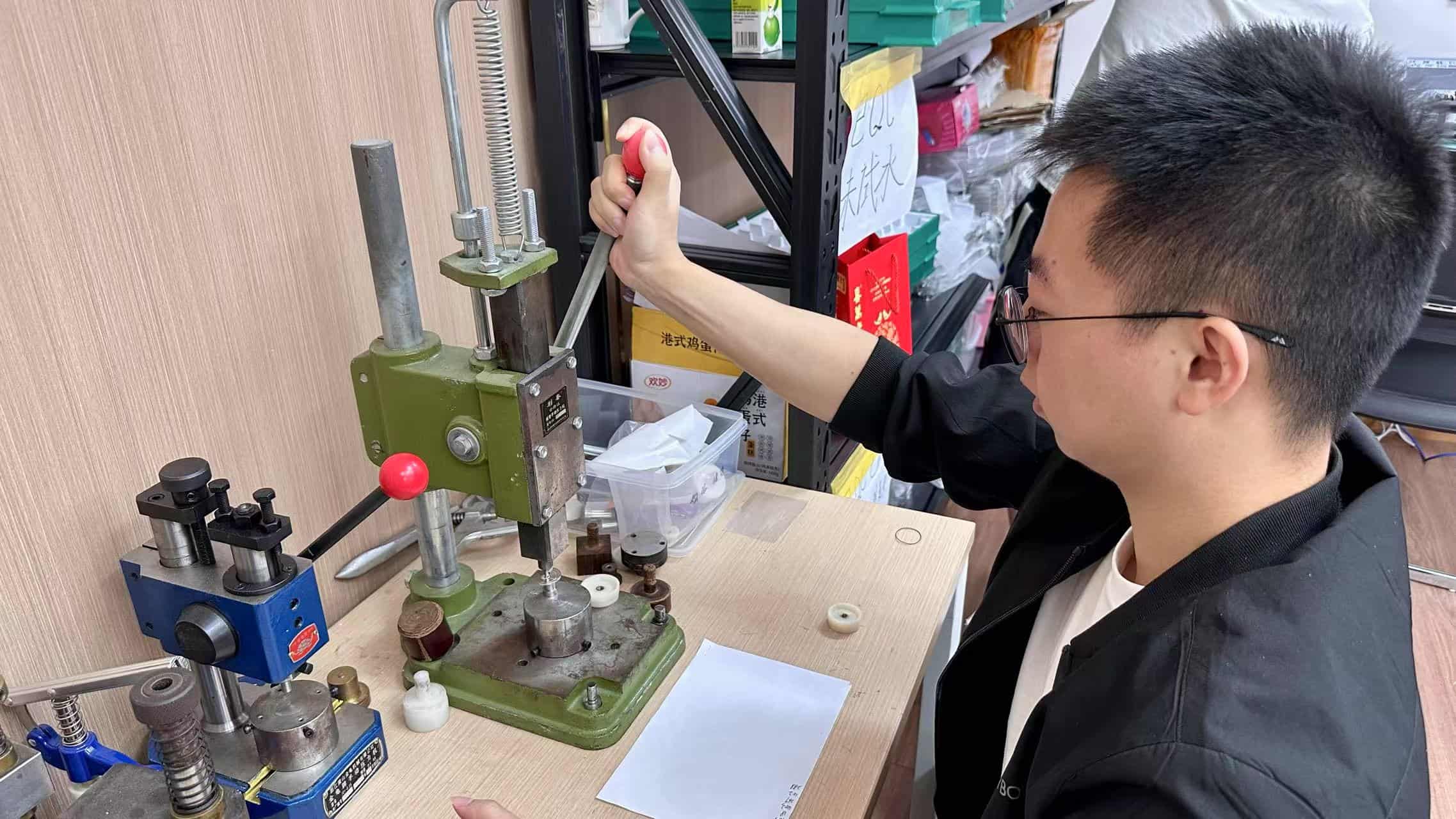
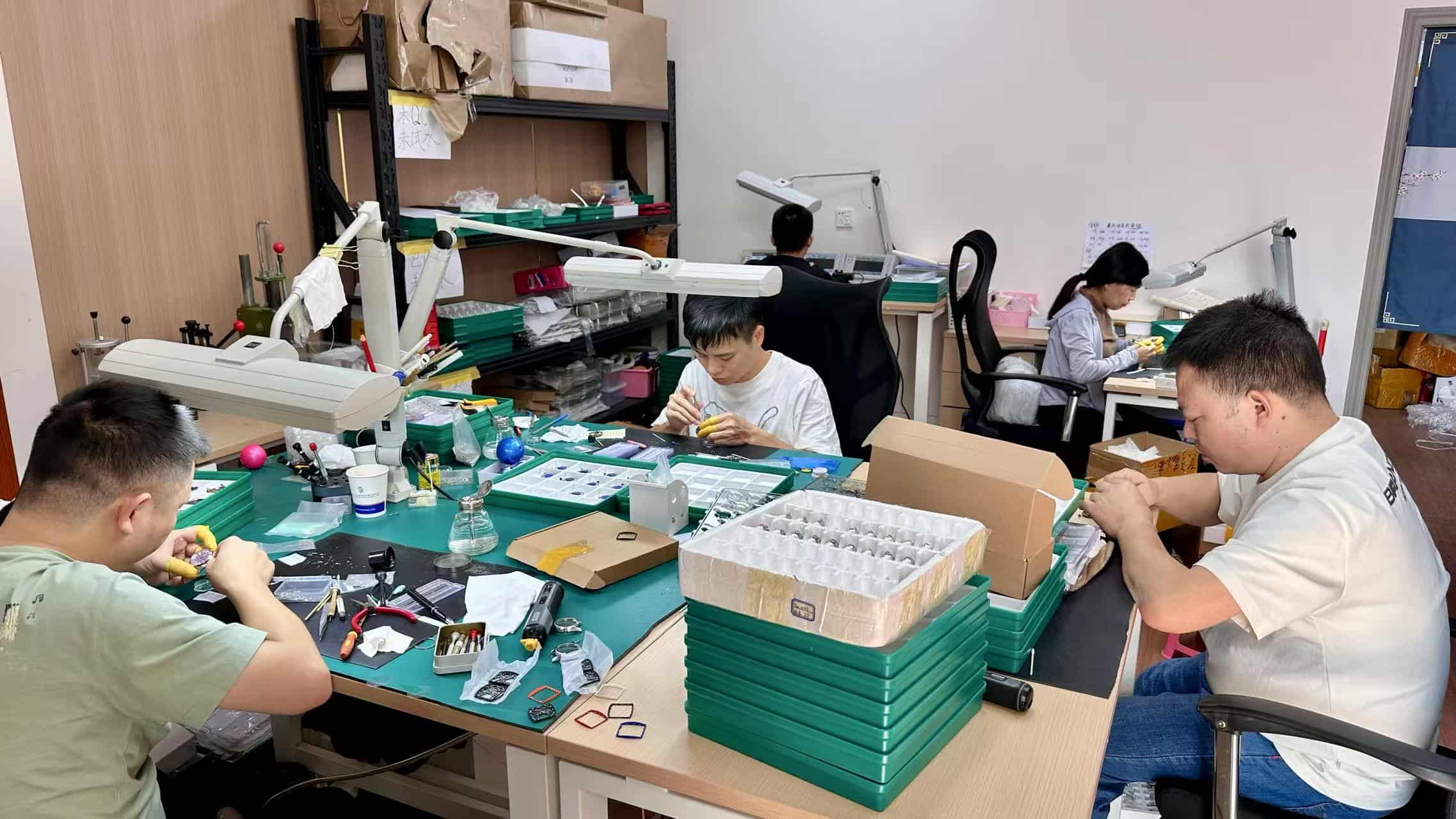
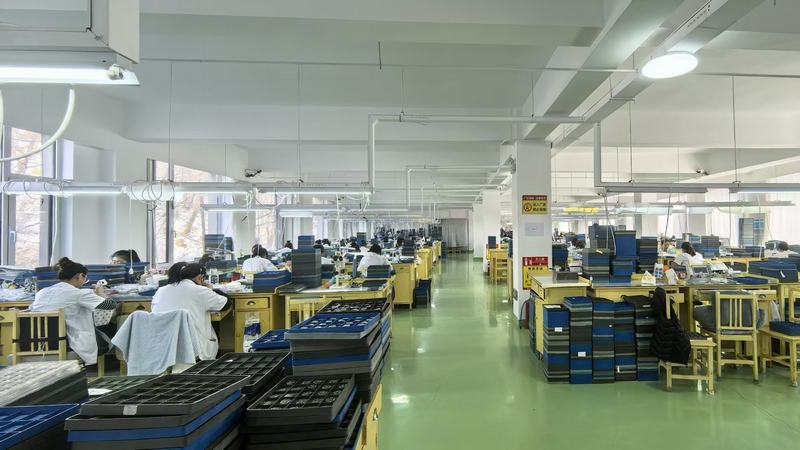
Inside the production units of Dongguan Ciso Tool Co., Ltd., where precision machinery meets seasoned horological expertise.
Essential insights and direct answers regarding tolerances, materials, and ordering procedures for watch procurement managers.
Discover more high-precision custom parts and watchmaker tools designed to meet modern horological demands.