Ciso Tool
Ciso Tool
Ciso Tool
Understanding the technical integrity, metallurgical compositions, and shear-stress resilience of professional watch spring bars.
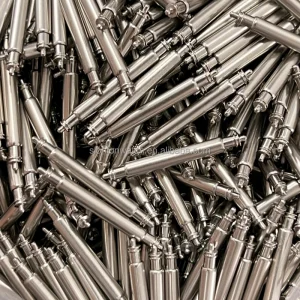
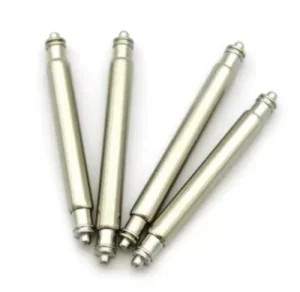
In watch manufacturing, the watch spring bar is a critical link securing the case to the strap or bracelet. Despite its micro-scale dimensions, this assembly must withstand continuous mechanical stresses, including shear force, rotational friction, tensile strain, and environmental corrosion. As a premier watch spring bars manufacturer, we provide the global watchmaking industry with components engineered to exact tolerances.
Modern watch design requires spring bars that match cases made of 316L stainless steel, titanium, or 18K gold. This requires deep material science expertise to prevent galvanic corrosion and mechanical failure. This whitepaper explains the design architectures, metallurgical selections, manufacturing methods, and global procurement procedures that define state-of-the-art horological hardware.
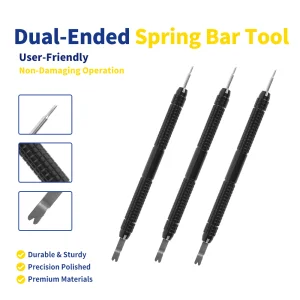
Explore our technical components, including quick-release mechanisms, heavy-duty double-flange pins, and precision installation tools.
A specialized leader in precision horological components and integrated manufacturing solutions.
Founded in 2006, Dongguan Ciso Tool Co., Ltd. specializes in the research, development, and production of mid-to-high-end precision watch components and complete horological solutions. Over the past two decades, we have transitioned from a specialized workshop into a modern manufacturing enterprise with integrated capabilities across engineering design, precision tooling, and automated production.
Our operations are centered in an independent industrial facility covering more than 20,000 square meters, staffed by over 500 skilled professionals. Our specialized R&D group includes 60+ engineers and designers dedicated to micro-machining improvements, metallurgy, and functional testing. We support global watch brands, luxury groups, and retail networks with premium dials, cases, bands, buckles, and micro-precision components.
Guided by the principle of "Quality First, Integrity Supreme," we maintain strict quality control at every phase of production. From material selection to final assembly, our workflow meets rigorous global industry metrics. Our commitment to reliable engineering makes Ciso a trusted partner for OEM and ODM horological hardware manufacturing.
The physics behind micro-components: selecting materials and mechanical designs for structural integrity.
We source premium SUS304 and SUS316L stainless steel. While SUS304 provides high tensile strength for standard applications, SUS316L contains 2-3% molybdenum. This addition enhances resistance to chloride-induced pitting, making it ideal for marine and luxury diving watches. In premium designs, we can use 904L or precious metals to match corresponding luxury watch cases.
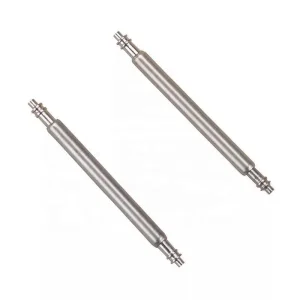
The internal spring is critical to the longevity of the spring bar. We use tempered spring steel or SUS302 wire. This wire is coiled to precise tolerances to prevent load loss or compression set under tension. This design keeps the telescoping pivots secure inside the watch lugs during physical impact.
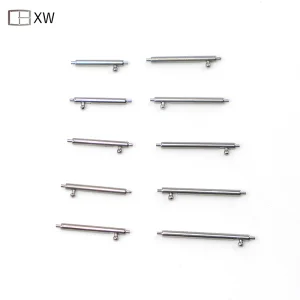
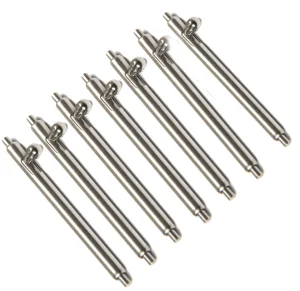
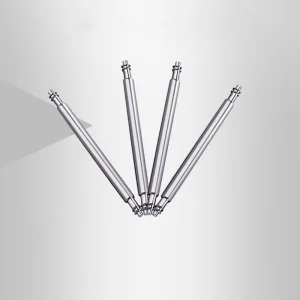
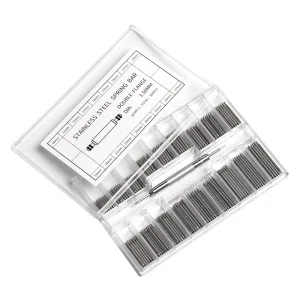
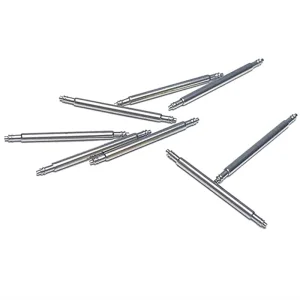
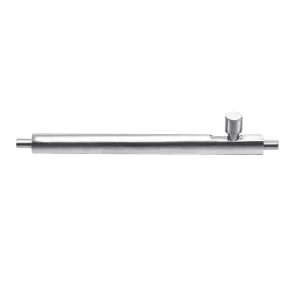
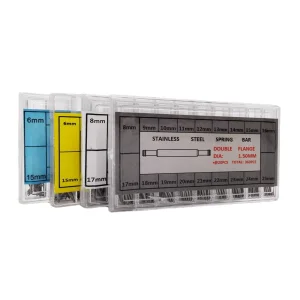
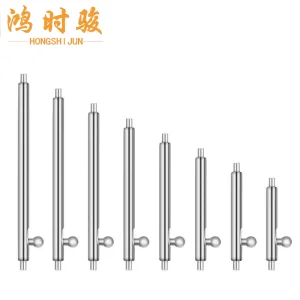
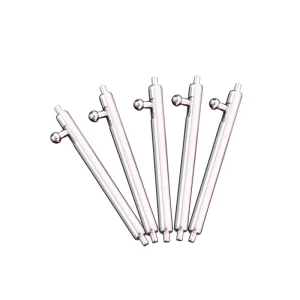
We manufacture spring bars in multiple designs. Double-flange styles allow for easy removal with standard spring bar tools. Quick-release spring bars feature an integrated lever for tool-less strap changes, meeting the needs of modern consumers. Single-shoulder, double-shoulder, and flangeless options are also available for specific vintage and contemporary case styles.
| Material / Design Type | Common Diameters (mm) | Tensile Strength (MPa) | Corrosion Resistance | Primary Application |
|---|---|---|---|---|
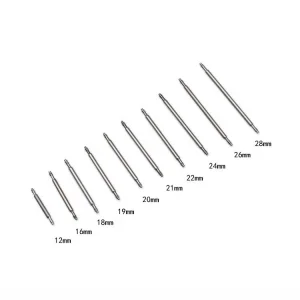
| SUS304 Stainless Steel | 1.3, 1.5, 1.78, 1.8, 2.0 | ≥ 515 | Moderate to High | Standard fashion watches, utility leather bands |
| SUS316L (Low Carbon) | 1.5, 1.8, 2.0, 2.5 | ≥ 485 | Excellent (Anti-pitting) | Luxury horology, marine/diving watches, sports bracelets |
| Quick-Release Pin Systems | 1.5, 1.8, 2.0 | Design Dependent | Excellent | Interchangeable smart watch bands, silicone straps |
| Reinforced Double-Flange | 1.8, 2.0, 2.5 | ≥ 600 | High | Heavy stainless steel bracelets, solid end-link bracelets |
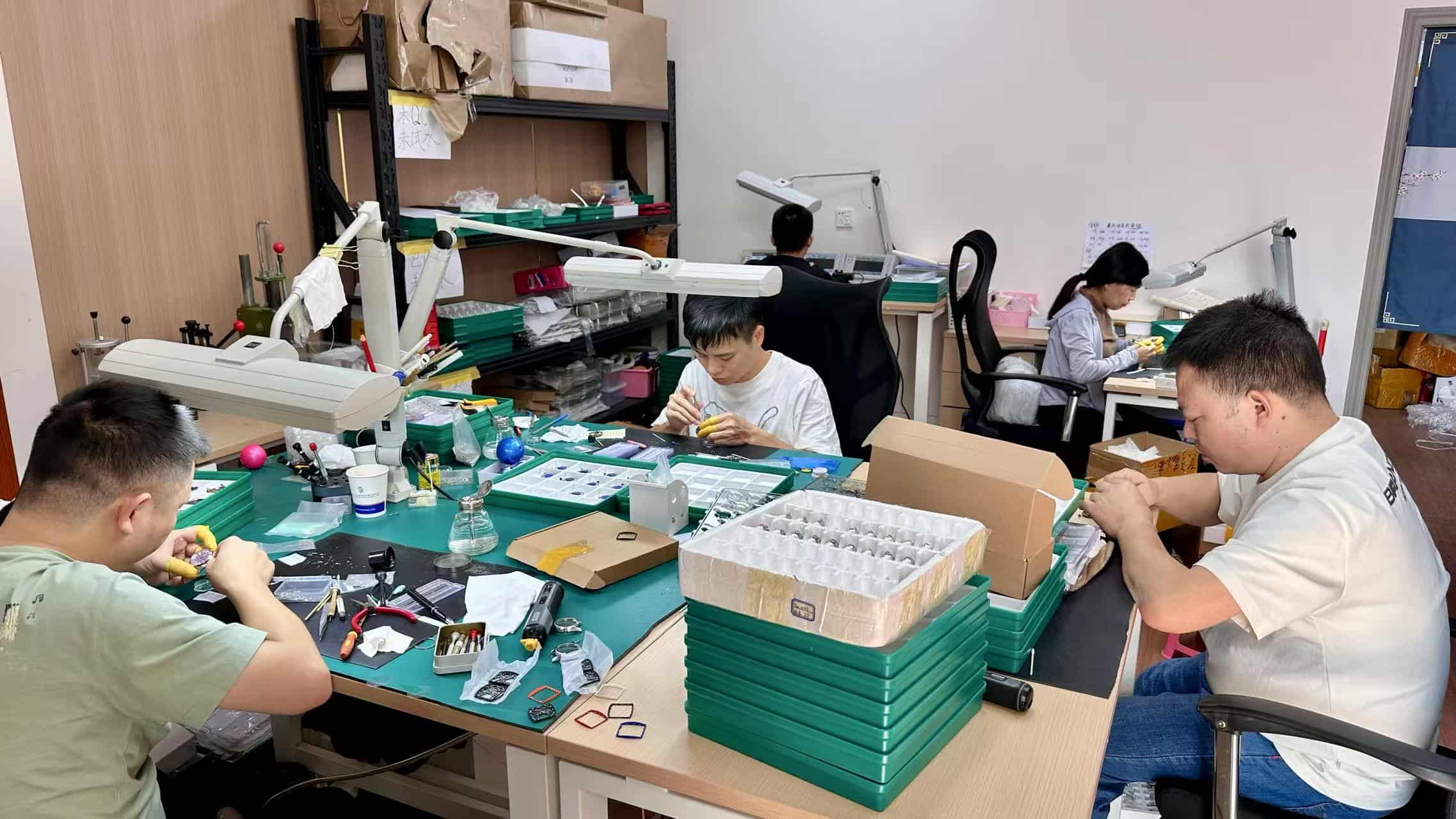
Our 20,000+ square meter facility features automated machining, multi-station tooling, and strict metrology controls.
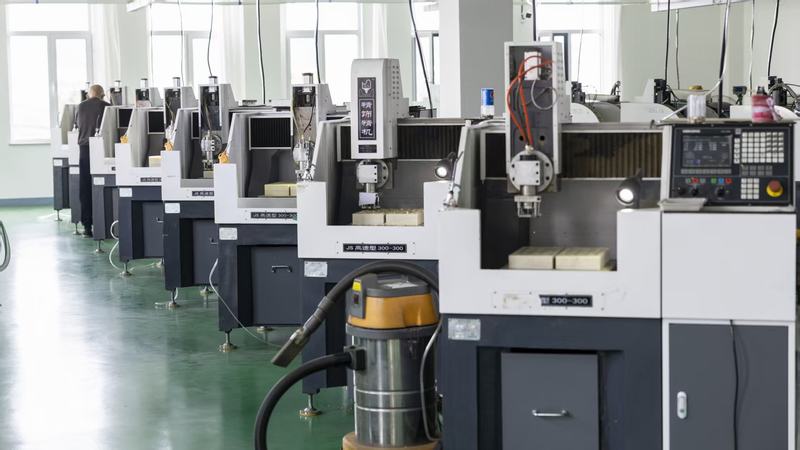
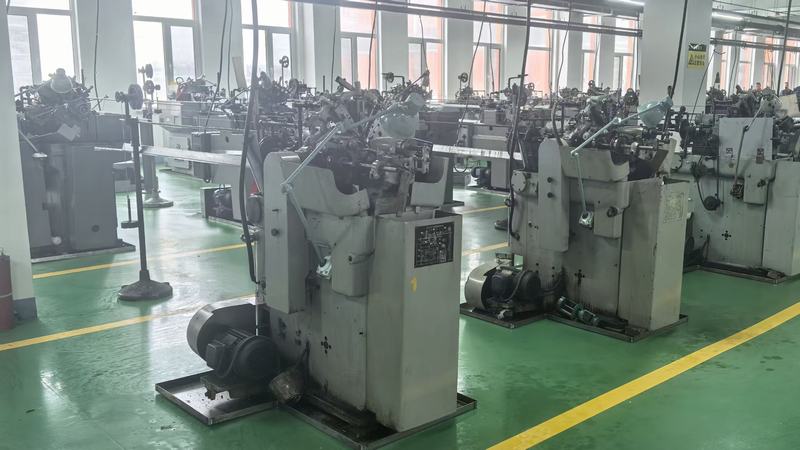
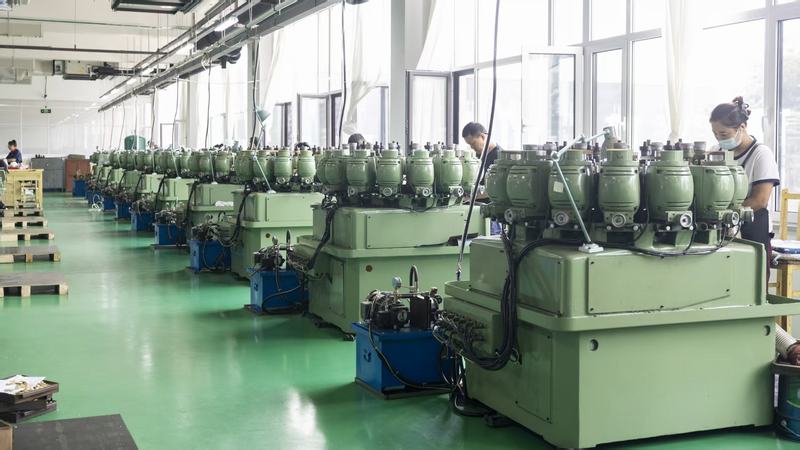
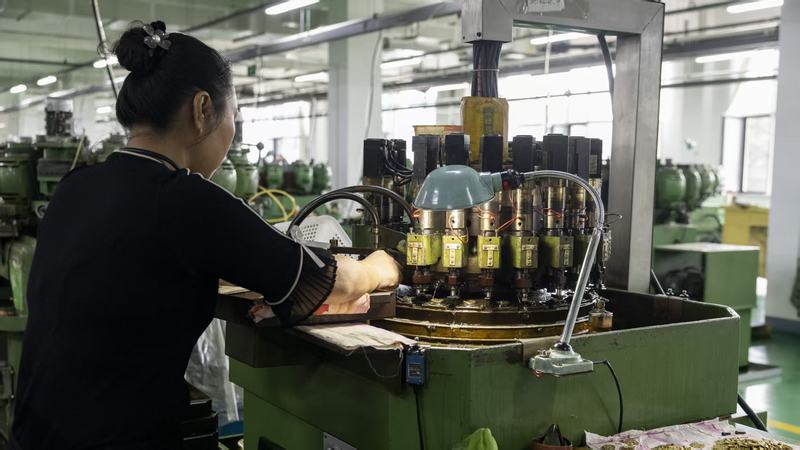
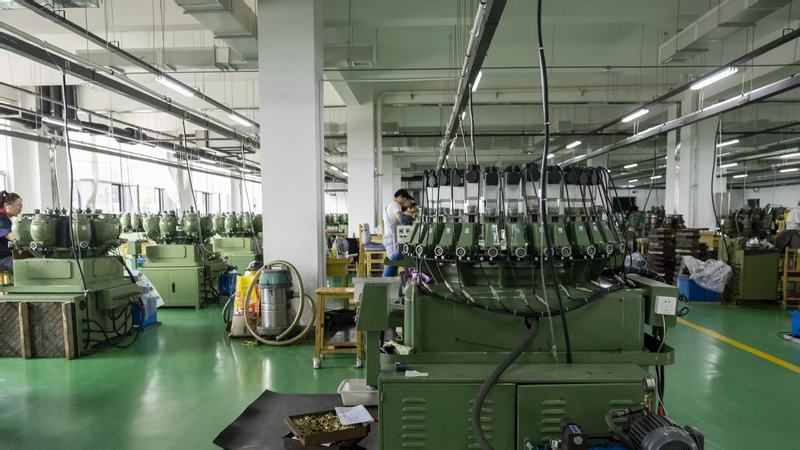
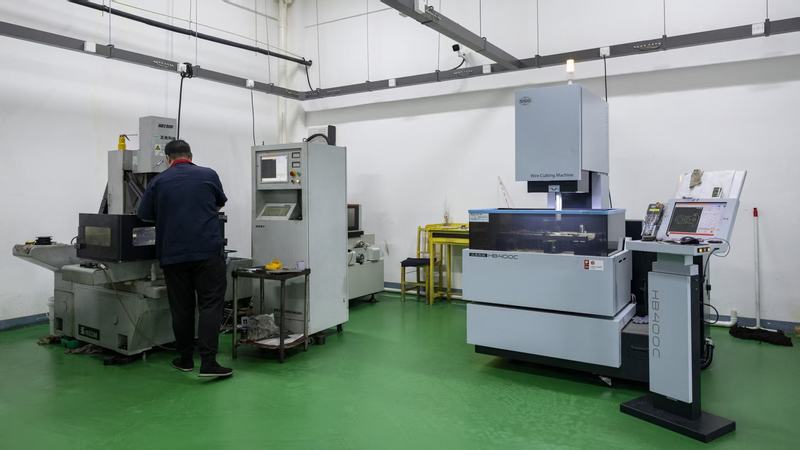
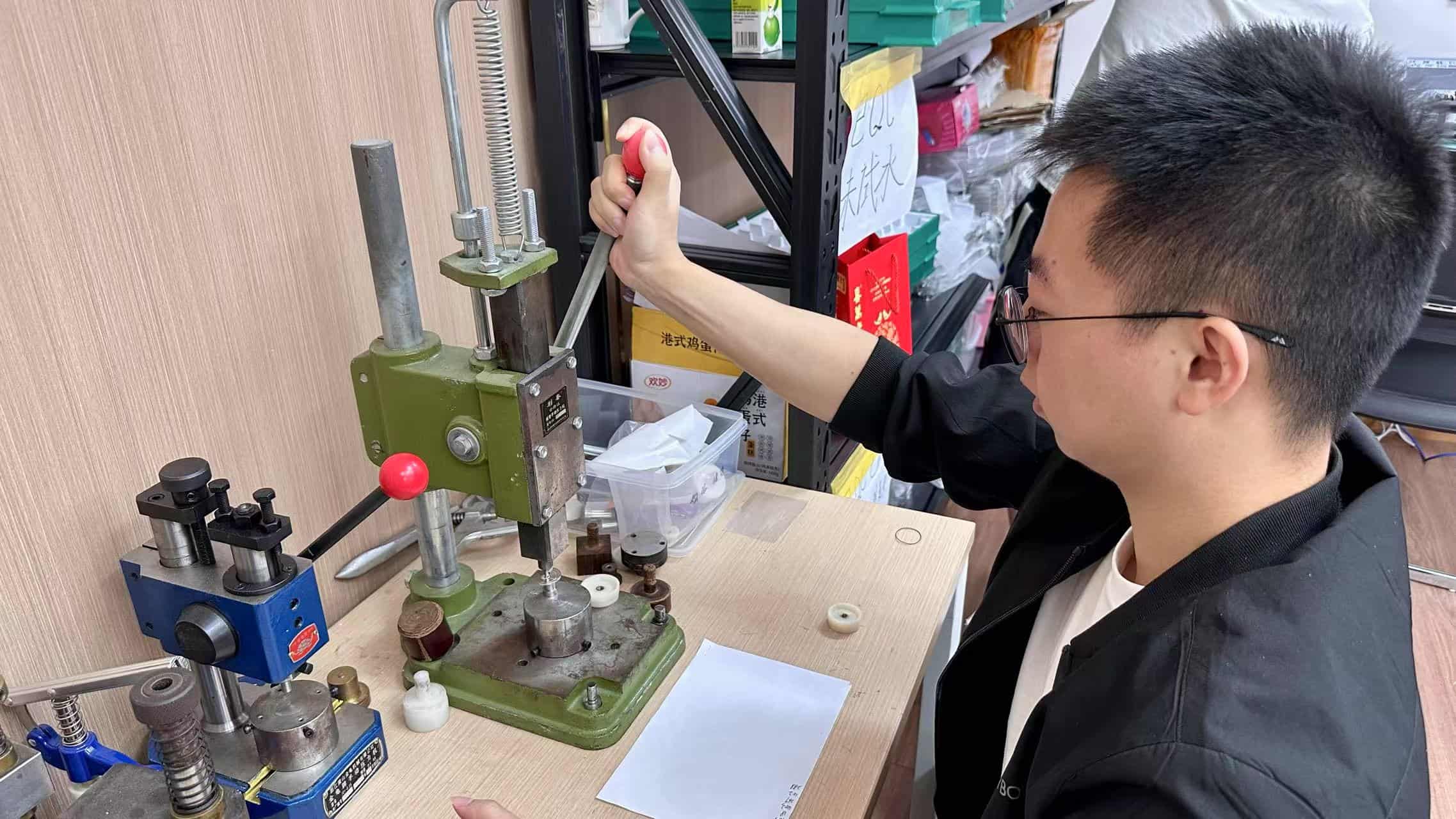
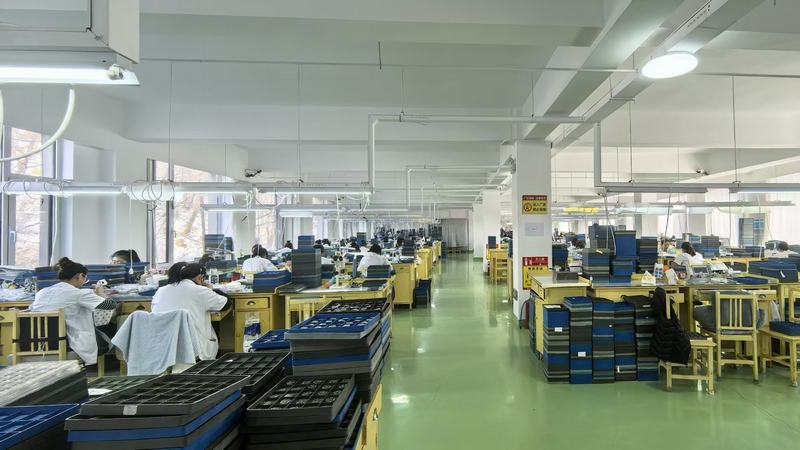
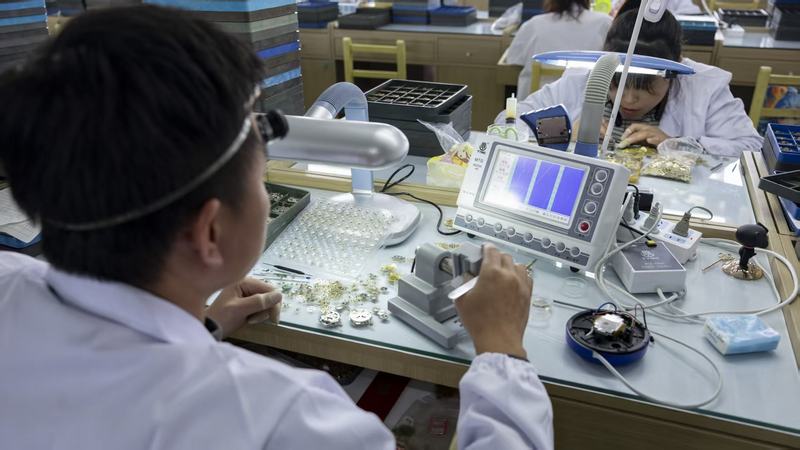
Our manufacturing processes rely on advanced production equipment. We employ CAM Automatic Lathes and Medium Wire Precision Wire Cutting Machines to produce spring bar outer tubes with consistent wall thickness and outer diameter tolerances within ±0.01mm. The precision of the tube end pivots is maintained using Multi-station Precision Milling, Drilling, and Tapping Machines, which form the shoulders, flanges, and retention limits required for secure lug installation.
Following machining, our assembly lines combine the outer sleeve, internal spring, and dual telescoping pivots into a single unit. These assemblies then undergo mechanical load limits and corrosion testing. This process ensures that every batch meets international standards for wear resistance and shear strength.
Strategic supply chain solutions, compliance frameworks, and manufacturing options for global brands.
For procurement managers at major horological brands and assembly houses, security of supply and consistency of quality are critical. A single defective spring bar can lead to field failures, potentially causing the loss of a luxury watch and damaging the brand's reputation. We address these risks with testing protocols, including:
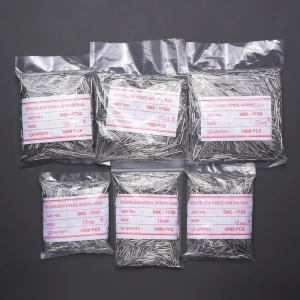
Our raw materials are traceable and fully compliant with RoHS and REACH regulations. This ensures our components meet international standards for hazardous substances, facilitating smooth customs clearance for imports to Europe, North America, and Japan. Our manufacturing operations support high-capacity, automated packing to protect micro-components during shipping. This includes bulk moisture-free tube packaging and custom labeled packaging for direct aftermarket distribution.
The technological direction of micro-hardware in next-generation wearable electronics.
The growth of the smartwatch market has changed the performance requirements for traditional watch spring bars. Smart wearables are typically larger, heavier, and integrate sensor arrays that require continuous contact with the wearer's skin. Consequently, spring bars must support higher dynamic loads while remaining light and hypoallergenic.
This has driven the adoption of Quick-Release Pin Systems, allowing consumers to swap bands for different activities. Manufacturers must ensure these quick-release levers do not catch on clothing or accidentally disengage during strenuous exercise. Our engineers are addressing this by recessed lever paths into the spring bar tube itself, preserving the quick-release function while minimizing the profile.
We are also researching alternative alloys, such as Titanium Grade 5 (Ti-6Al-4V) and advanced engineering plastics, to reduce component weight. These materials offer high strength-to-weight ratios and are biocompatible, minimizing skin irritation. We are also optimizing internal lubricants to ensure smooth operation over long-term exposure to water, sweat, and cleaning agents.
Additionally, we are updating our quality control systems with AI-driven optical sorting machines. These systems inspect every spring bar for surface defects, dimensional variances, and pivot function before shipment, helping to eliminate defective units from high-volume production runs.
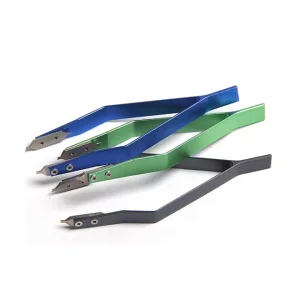
Explore our technical range, including high-diameter custom spring bars and precision spring bar tweezers.
Answers to technical and logistical questions on sourcing, manufacturing, and QA testing watch spring bars.
Our CAM automatic lathes and CNC grinding equipment allow us to maintain a dimensional tolerance of ±0.01mm on the tube outer diameter and pivot pin diameter. This high precision ensures consistent fitting within watch lug holes and prevents strap wobble or assembly binding.
SUS316L contains molybdenum, which significantly improves resistance to crevice corrosion and pitting in salt water or sweat compared to SUS304. For dive and luxury sports watches, we recommend SUS316L to prevent spring bar failure and rust stains in the lug recesses.
Yes. We offer customization of the lever position, projection height, and shape (e.g., cylindrical, round, or flat profiles) to match various strap materials like leather, silicone, or nylon, ensuring clean installation and easy operation.
We use high-fatigue SUS302 spring wire and premium music wire. We control the compression ratio and apply heat treatment to prevent permanent deformation, ensuring the pins return to full extension even after thousands of strap changes.
Yes. We provide complete material certification reports, including chemical analysis (XRF spectrometry) and RoHS/REACH compliance paperwork. This documentation ensures the components comply with international standards for global distribution.
For standard configurations, the MOQ starts at 1,000 pieces per size. For custom designs requiring dedicated tooling or unique materials, the MOQ is typically 10,000 pieces. We also support pre-production sampling for engineering evaluation.