Ciso Tool
Ciso Tool
Ciso Tool
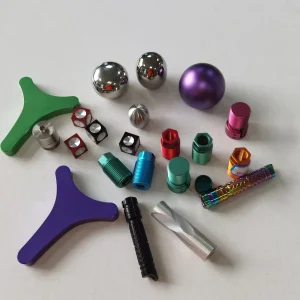
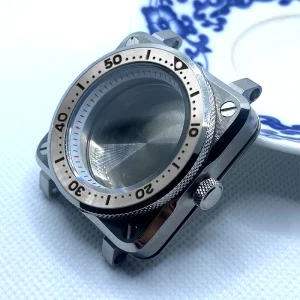

Established in 2006, Dongguan Ciso Tool Co., Ltd. has evolved into a state-of-the-art manufacturer of high-precision watch components and complete horological assemblies. With a firm grounding in mechanical craftsmanship and industrial R&D, our mission is to redefine quality limits for the global watchmaking sector.
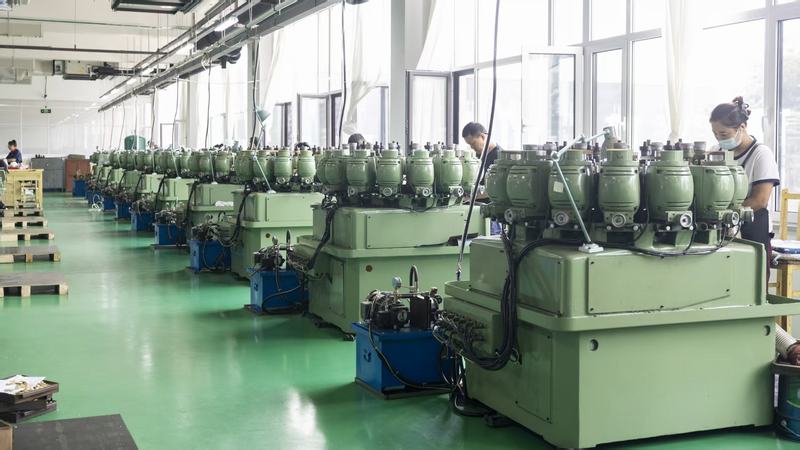
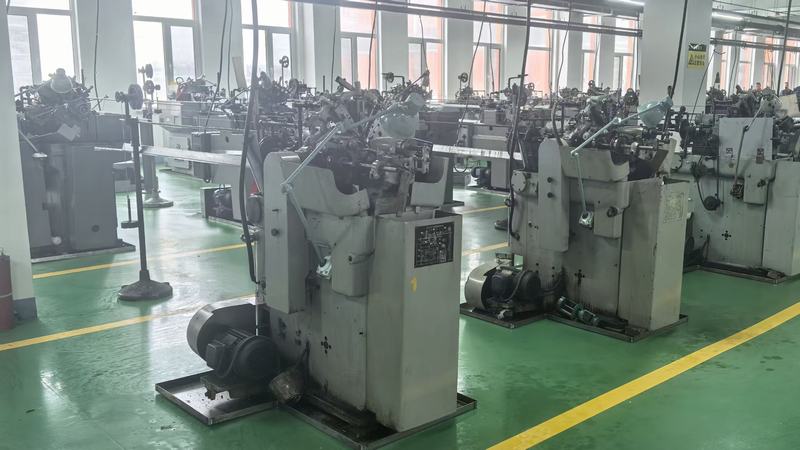
Over the last two decades, we have scaled our footprint into a massive 20,000 square meter independent industrial park. Powered by a workforce of more than 500 skilled professionals, including an elite R&D wing of 60+ chemical and mechanical engineers, we integrate raw chemical formulation with micro-component manufacturing. This enables us to formulate and validate specialty watch lubricants under active operating conditions inside our own cases, dials, and movements.
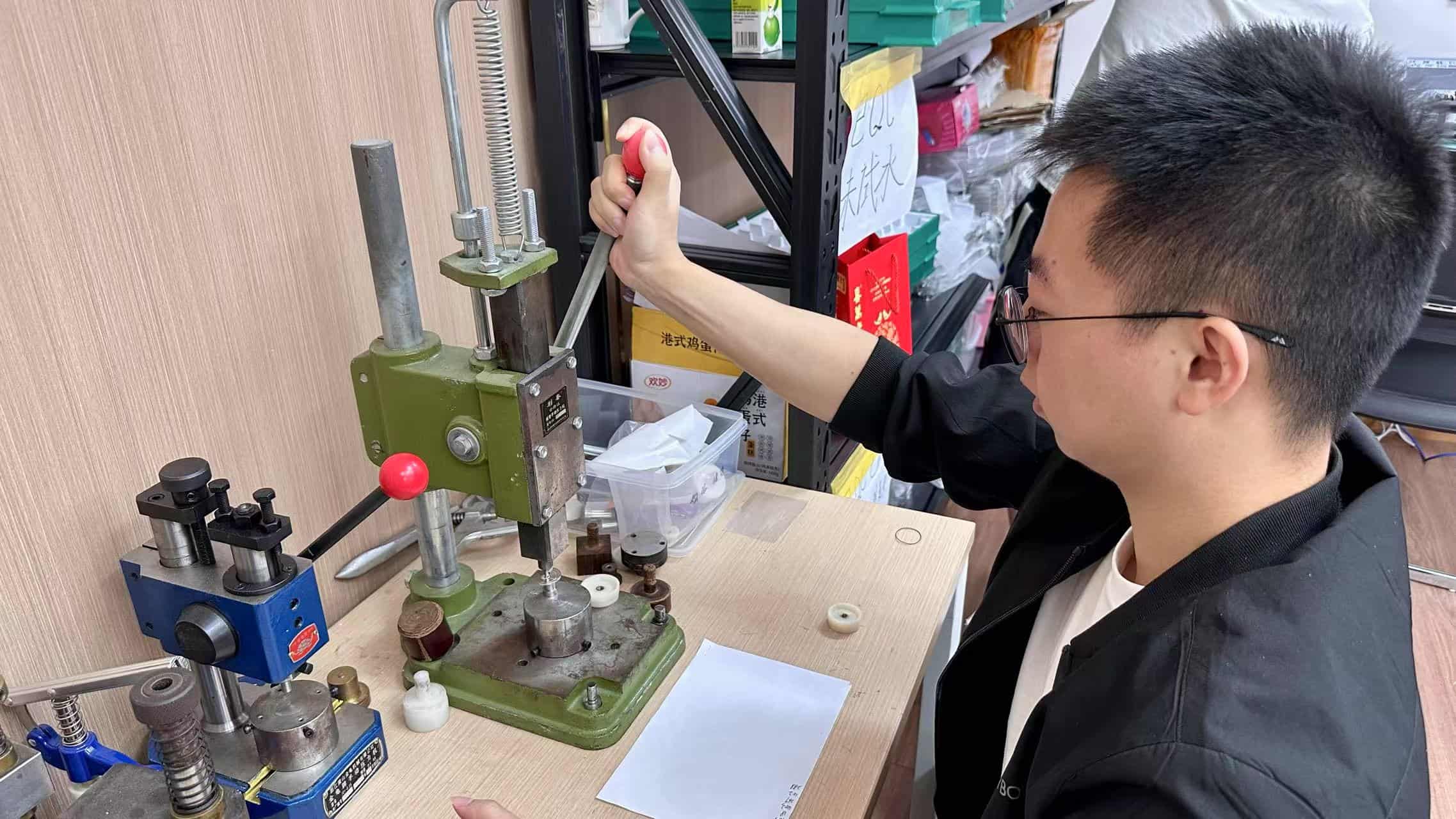
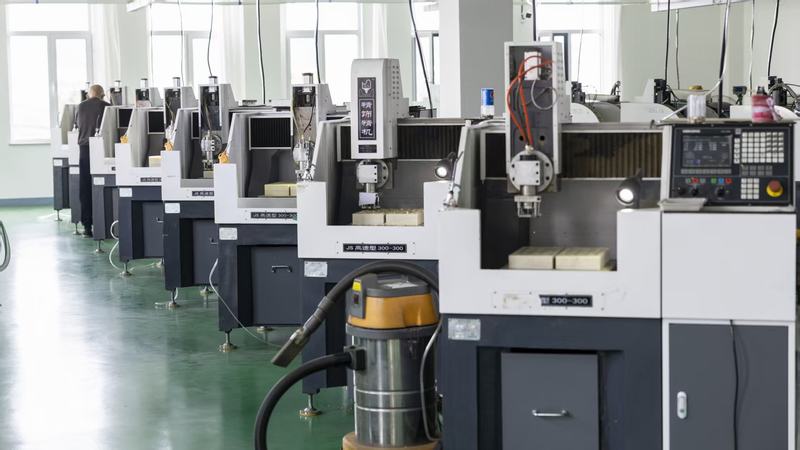
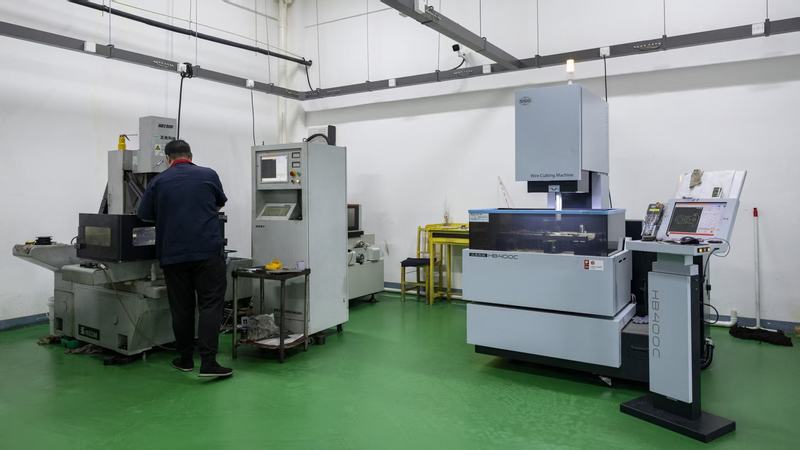
Under our operational philosophy of "Quality First, Integrity Supreme", we deploy multi-axis CNC milling, automatic Swiss lathes, and micro-precision drilling instruments. By matching mechanical engineering with chemical optimization, we ensure that every movement fitted with our lubricants runs with unmatched stability, lowest possible friction coefficients, and zero structural degradation over decades of use.





In high-end mechanical horology, a movement is a complex machine operating under severe conditions. The total energy output of a watch mainspring is small, meaning even minor increases in frictional resistance within the geartrain can shorten the power reserve and cause timekeeping inaccuracies.
Our OEM lubricants reduce friction coefficients to μ < 0.08 at key contact surfaces, like balance wheel pivots, pallet stones, and escape wheel teeth, protecting the delicate escapement.
Through advanced epilamization and surface-energy matching, our synthetic formulations stay in place at critical pivots, preventing oil spread to the hairspring or dial.
Using synthetic polyol esters and perfluoropolyethers (PFPE), our lubricants resist gumming and evaporation, giving movements a service life of over 7 to 10 years.
Mechanical watches rely on two main lubrication modes: hydrodynamic and boundary lubrication. Under hydrodynamic conditions (e.g., high-speed rotor bearings), the moving surfaces are separated by a fluid film. In boundary lubrication (e.g., pallet jewels striking escape wheel teeth at 28,800 beats per hour), the oil film is extremely thin, allowing direct metal-to-jewel contact. Our custom synthetic formulations use specialized pressure additives to build a strong boundary layer, preventing wear without slowing down the movement.
The high-end horology market is shifting away from standard off-the-shelf lubricants. Modern luxury brands, smartwatches, and industrial micro-mechanisms demand customized lubricants tailored to specific materials, coatings, and operating climates.
For decades, the watchmaking industry relied on a small group of European suppliers for micro-lubricants. However, the rise of silicon (silicium) escapements, diamond-like carbon (DLC) coatings, and complex complications like tourbillons has challenged these traditional formulas. Traditional oils can migrate off modern synthetic materials, causing unexpected movement failures.
Additionally, the growth of smartwatches and outdoor adventure watches has expanded the necessary temperature operating envelope. Standard lubricants gum up at -10°C or thin out at +50°C. As an OEM manufacturer, Ciso addresses this challenge. We design synthetic esters and fluorinated oils that remain stable from -40°C to +80°C, ensuring watches perform reliably in polar environments and desert heat alike.
Developing watch oils requires precise chemical engineering. Below is the technical process Ciso uses to design custom lubricants for global brands.
We select synthetic base fluids, such as high-purity polyol esters, polyalphaolefins (PAO), or perfluoropolyethers (PFPE). By adjusting polymer chain lengths, we tailor the viscosity to the target application—ranging from low-viscosity oils for fast-moving balance wheels to high-viscosity greases for mainsprings and winding mechanisms.
We blend in anti-wear, anti-oxidant, and extreme-pressure additives. These additives must remain fully dissolved without separating or clouding over long-term storage or under high centrifugal forces.
We test our formulations against watchmaking materials, including sapphire glass, rubies, NBR/Viton seals, DLC, and precious metals. We measure the contact angle of the oil on these surfaces to ensure it stays in place without spreading.
We place lubricated movements into environmental chambers for accelerated aging tests. The lubricants are subjected to high humidity, extreme temperatures (-40°C to +100°C), UV exposure, and continuous mechanical shock to confirm long-term stability.
Shipping chemicals globally requires strict compliance with international regulations. Ciso ensures that our lubricants meet the legal standards of your target market.
All Ciso formulations are fully REACH and RoHS compliant, free from SVHCs (Substances of Very High Concern), fluorinated pollutants (PFAS restrictions where applicable), and heavy metals, ensuring easy import into Europe and North America.
We provide Globally Harmonized System (GHS) compliant Safety Data Sheets (SDS) in multiple languages (English, German, French, Japanese, Chinese), making customs clearance and workplace safety straightforward.
Our lubricants are shipped in sealed glass micro-vials, ESD-safe containers, or specialized applicator pens, protected from pressure drops during air transport and temperature spikes during sea freight.
Different movement components experience different physical forces. Here is how Ciso's tailored formulations match specific horological applications:
Requires low-viscosity, high-elasticity synthetic oils. Our formulas minimize drag on the balance wheel pivot, keeping the watch's rate stable across varying positions.
For center, third, and fourth wheel pivots, we supply medium-viscosity oils. These maintain a reliable lubricating film under moderate pressures and speeds, reducing wear on steel pivots running in brass plates or synthetic rubies.
Requires heavy, high-pressure greases. Our mainspring formulations contain solid friction-reducing additives like PTFE or molybdenum disulfide, smoothing the release of torque and preventing slipping inside the barrel.
Expert answers to common tribology and custom manufacturing inquiries.
A: Natural oils contain unsaturated hydrocarbons that oxidize and polymerize over time, turning into a sticky paste that stops the watch. Synthetic lubricants (such as esters and PAOs) are chemically engineered to resist oxidation and evaporation. They maintain stable viscosity across a wider temperature range and do not break down over years of use.
A: Epilamization is the application of a surface-energy-lowering agent (an epilame) to watch parts like escape wheels or balance pivots. This coating creates a barrier that prevents the lubricant from spreading or migrating away from the contact point, keeping the oil where it is needed.
A: Silicon has a very low surface energy, meaning traditional watch oils can easily slide off it. Ciso develops specialized synthetic oils with polar additives that bond lightly to the silicon surface, maintaining a stable fluid film even during high-frequency operation.
A: When stored in their original sealed containers at temperatures between 5°C and 25°C, away from direct sunlight, our synthetic lubricants have a shelf life of up to 6 years without any change in physical properties.
A: Yes. We formulate micro-lubricants for various high-precision applications, including aerospace sensors, medical instruments, high-end optical zoom systems, and miniature gear motors.