Ciso Tool
Ciso Tool
Ciso Tool
Explore our elite selection of high-end movement accessories and custom watch parts engineered for top watchmakers.
A technical deep-dive into the mechanical heart of luxury movement caliber construction, processing tolerances, and advanced micro-manufacturing.
In mechanical horology, the transmission of energy from the mainspring to the escapement relies on a highly specialized wheel train. The watch second wheel—historically and technically referred to as the center wheel or the minute-driving wheel depending on the movement geometry—plays a vital role in calculating time increments. Operating at the core of the movement, this micro-gear requires dimensional accuracy measured in microns. Any deviation in concentricity, tooth profile, or pivot burnishing directly influences the watch's amplitude, rate deviation, and overall power reserve efficiency.
Calculated gear ratios require perfect tooth engagement. Cycloidal tooth geometry is optimized to minimize friction and ensure linear transmission of torque across the gear train.
Utilizing high-grade Lead-free Brass, Beryllium Copper (C17200), and hardened Carbon Steel (for the pinion) to withstand millions of cycles under constant load without deformation.
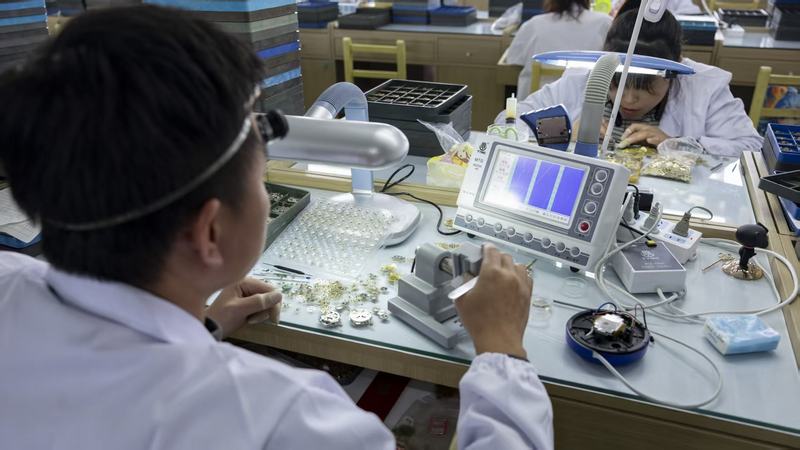
Sustaining critical tolerances down to ±0.002mm (2 microns) through Swiss-type CNC machining and optical validation systems to prevent backlash and axial runout.
Historically, the production of precision watch components was heavily concentrated in the Swiss Jura region. However, as global demand for luxury watches, mechanical chronographs, and high-quality automatic micro-movements has surged, the industrial paradigm has shifted. Today, the global horology market operates on a stratified ecosystem where China’s high-precision manufacturing clusters supply over 70% of the world's functional components.
Global watch brands, ranging from Swiss heritage names to modern microbrands, utilize advanced manufacturing hubs in Guangdong province to produce essential components like second wheels, center pinions, escaping elements, and custom movement parts. This integration allows brands to access exceptional technical capabilities without the prohibitive costs of European boutique production. By leveraging advanced CAD modeling, automated precision cutting, and specialized surface treatments, Chinese manufacturers have closed the gap in high-end micro-machining.
| Parameter / Specification | Standard Range | Premium / Luxury Caliber Grade | Inspection Methodology |
|---|---|---|---|
| Outer Diameter (OD) | 1.50mm – 4.50mm | ±0.003 mm | Optical Comparator / Keyence IM Series |
| Pinion Pivot Diameter | 0.08mm – 0.25mm | ±0.002 mm (Micro-Tolerance) | Laser Scan Micrometer |
| Concentricity & Runout | < 0.010 mm | < 0.003 mm (High-beat caliber) | Dual-axis dial indicators / Micro-coordinate measurement |
| Tooth Profile | Standard Cycloidal | Modified Circular Arc / EPilame Treated | High-magnification Profile Analysis (SEM) |
| Surface Roughness (Ra) | Ra 0.4 μm | Ra 0.1 μm (Burnished & Pivot Polished) | Stylus Profilometer / White Light Interferometer |
Why global watch brands choose Southern China for high-precision micro-mechanical components sourcing.
Southern China (Dongguan/Shenzhen) houses the world's most dense concentration of watchmaking resources. Materials, heat-treatment facilities, custom plating plants, and testing labs are situated within a 50-mile radius, slashing production lead times by weeks.
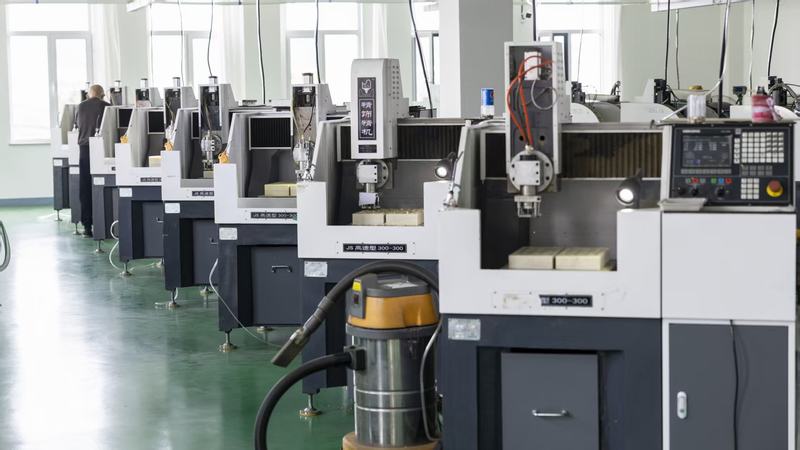
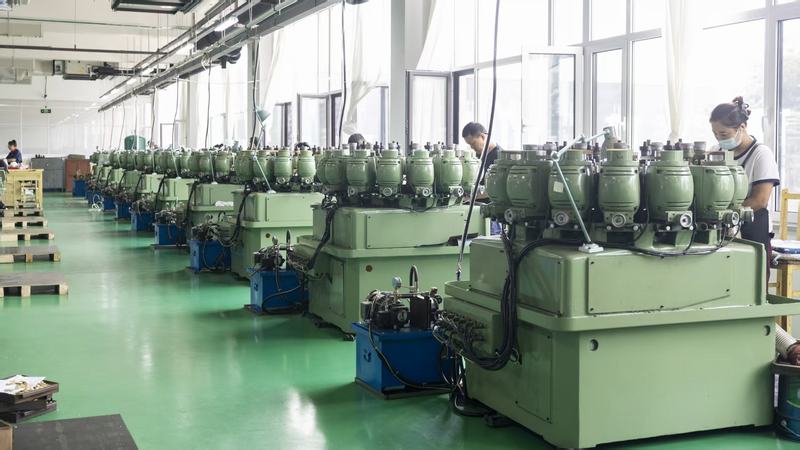
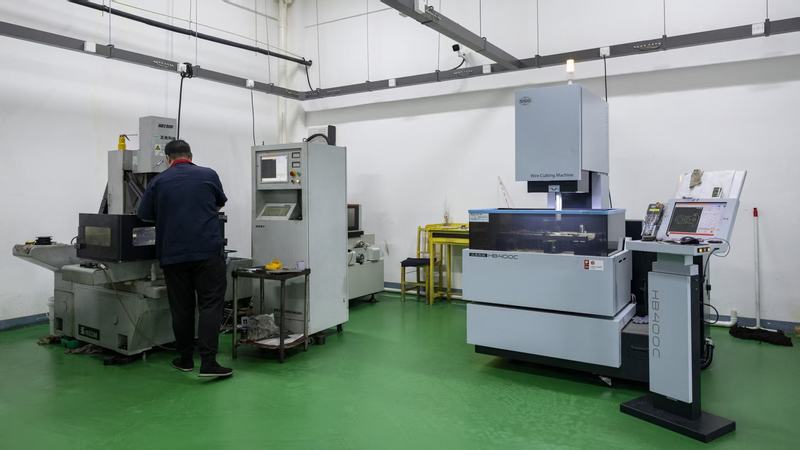
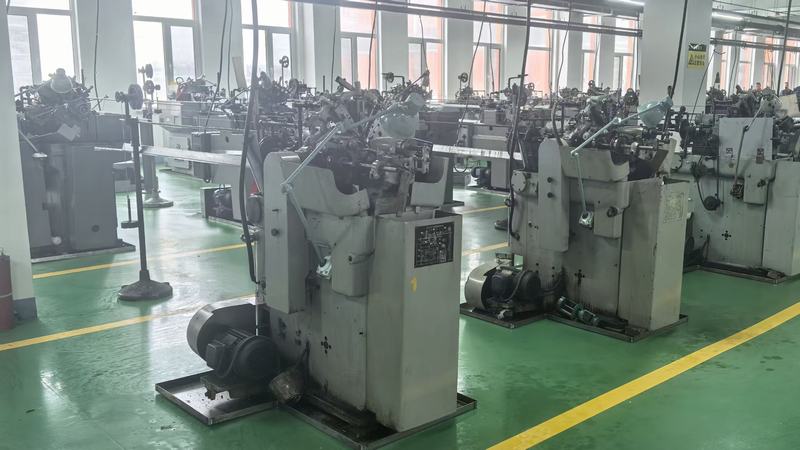
Unlike boutique European workshops constrained by low capacity, top Chinese manufacturers invest millions in modern Swiss-type automatic turning centers (Star, Citizen) and Japanese multi-axis machining tools, enabling reliable mass production.
Utilizing ISO 9001:2015 frameworks, factories integrate statistical process control (SPC) alongside automated vision inspection. This ensures that every watch second wheel shipped meets the strict parameters required for Swiss chronometers.
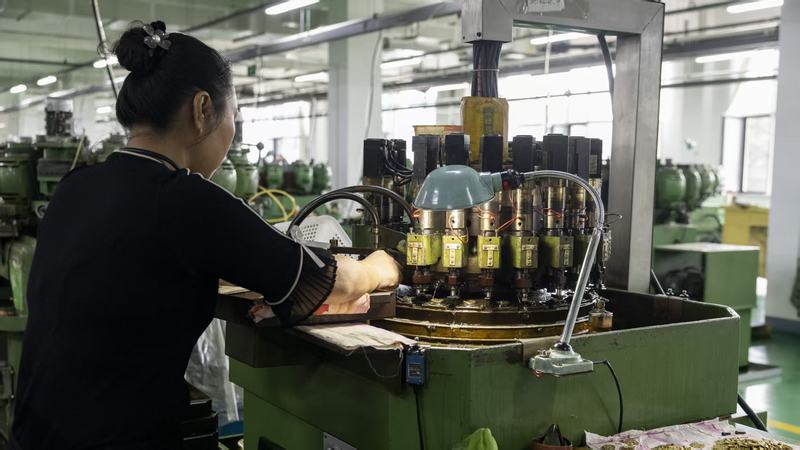
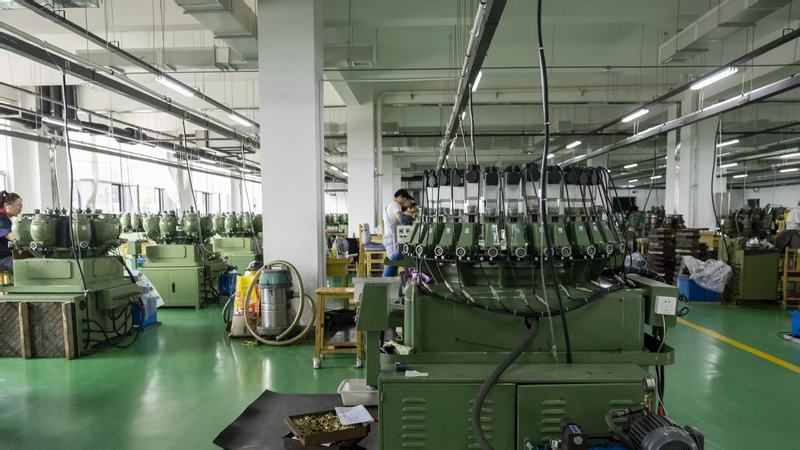
The efficiency of a Chinese horological factory is not simply driven by labor cost reduction, but rather by process optimization and tooling innovation. Modern factories implement custom fixture designs, allowing multi-station milling, drilling, and tapping machines to run continuously. This automation minimizes human handling errors, keeping product reject rates (PPM) extremely low, which is crucial for parts as sensitive as the watch second wheel.
A premier manufacturer of high-end precision watch components and complete horological solutions.
Dongguan Ciso Tool Co., Ltd. was founded in 2006 and is a professional manufacturer specializing in the research, development, and production of mid-to-high-end precision watch components and complete watch solutions. Formerly operating under an earlier corporate structure, the company has grown into a modern manufacturing enterprise with strong integrated capabilities across design, engineering, and precision production.
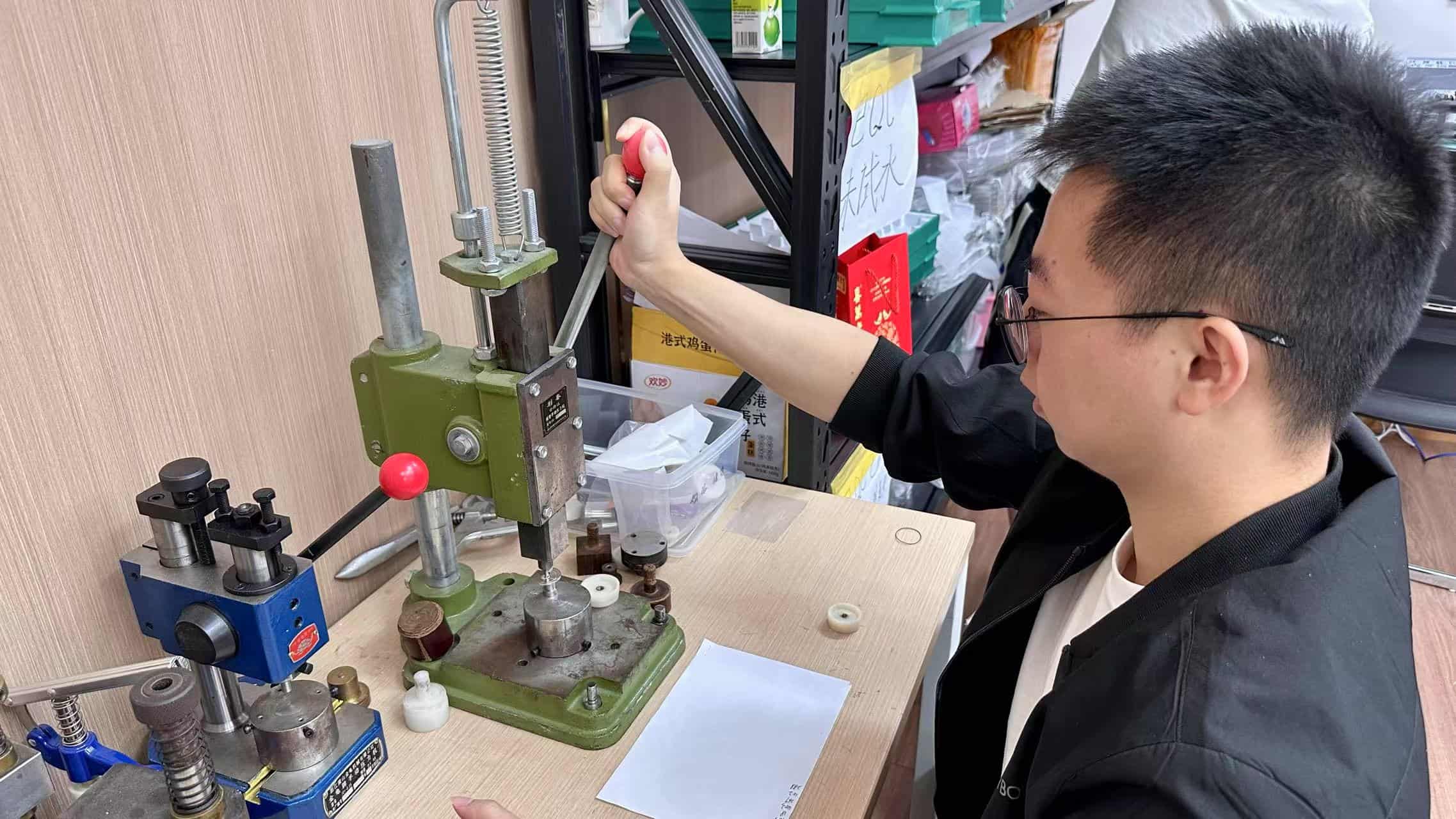
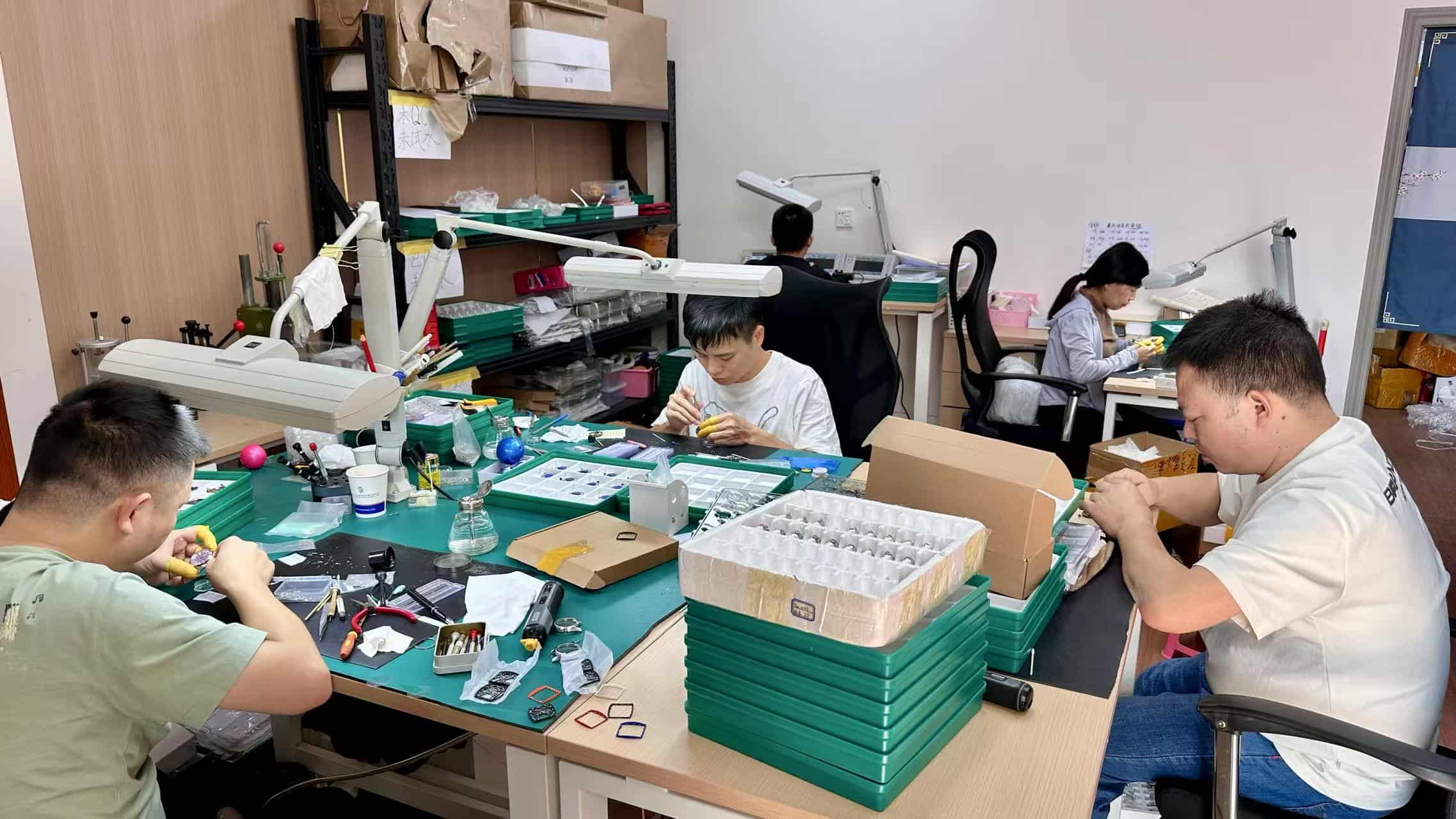
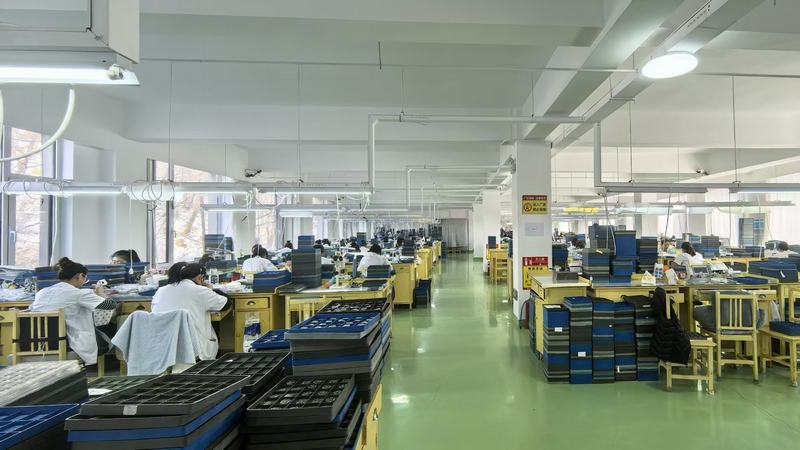
The company operates an independent industrial facility covering over 20,000 square meters and employs more than 500 skilled staff members, including a dedicated R&D team of over 60 professionals. With advanced production equipment, strict quality control systems, and experienced technical personnel, Ciso is committed to delivering high-precision, high-consistency products for global watch brands.
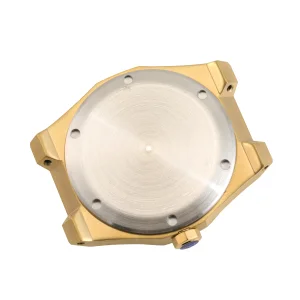
Ciso focuses on the R&D and manufacturing of premium watch accessories, including watch dials, watch cases, watch straps, watch buckles, and precious metal components such as 18K gold watch parts and fine jewelry accessories. In addition, the company provides full ODM and OEM services, supporting complete watch customization from concept design and prototyping to mass production and assembly.
Guided by the principle of “Quality First, Integrity Supreme,” Ciso emphasizes excellence in every production process. The company implements rigorous quality assurance protocols, ensuring that each product meets international standards for durability, precision, and aesthetic refinement.
Through consistent quality and reliable service, Dongguan Ciso Tool Co., Ltd. has established long-term partnerships with well-known domestic brands and continues to expand its presence in global markets. The company is committed to honest cooperation, mutual growth, and long-term value creation with international watch brands, striving to elevate the artistry and innovation of modern watchmaking.
How our custom engineering answers the technical evolution of mechanical movements.
Modern luxury horology demands slimmer profiles. The second wheel and its pinion must be thinned down to sub-0.5mm thickness while retaining torsional rigidity to avoid gear deformation under high winding torque.
With skeletonized dials, gears are visually exposed. Our wheels are polished to a mirror finish, utilizing fine beveling and circular graining (Colimaçonnage) to meet strict aesthetic expectations.
To resist everyday magnetic fields, we process non-magnetic materials like Glucydur and advanced silicon. We ensure our metal wheels run optimally next to silicon escapement components without creating electrostatic interference.
The trend towards long-duration power reserves (72 hours to 8 days) has redefined requirements for mechanical energy transmission. Since the gear train operates under heightened mainspring forces, the second wheel must maintain minimal friction. We utilize advanced PVD coatings and micro-polishing on gear teeth to increase surface hardness, reducing wear and extending maintenance intervals.
Detailed technical answers to common queries raised by mechanical engineers and procurement officers.
The gear wheel is typically machined from premium lead-free brass (e.g., CuZn39Pb3) or beryllium copper, which offers excellent machinability and low friction properties when running against steel. The integrated center pinion is made from hardened carbon steel (such as 20AP or 4C27A), which undergoes precision tempering to achieve a Vickers hardness (HV) exceeding 700. This combination of a relatively soft wheel tooth engaging with a hard pinion tooth prevents premature wear.
Hand shaking or flutter in center-seconds calibers is typically caused by backlash between the third wheel and the central second pinion. We resolve this in production by manufacturing cycloidal gear profiles with highly tight tooth thickness tolerances (within 2-3 microns) and, where applicable, integrating custom friction springs (tension springs) that apply subtle axial load to stabilize the second hand sweep.
Yes. Our engineering department can manufacture custom gear wheels based on CAD files, PDF specifications, or physical movement samples. We configure our CNC Swiss lathes and gear-hobbing setups to match custom modules (typically m0.05 to m0.15), pitch diameters, tooth counts, and specific pivot configurations to fit custom movements.
Radial runout and concentricity are checked using automated non-contact optical measurement equipment (such as Keyence imaging systems) and specialized runout testers. Every production run undergoes statistical process control (SPC) with a target CPK of >1.33. Pivot surfaces are burnished (micro-rolliert) and verified using surface roughness meters to ensure an Ra value under 0.15 micrometers.
For standard micro-components or catalog-standard gear trains, the minimum order quantity typically ranges from 1,000 to 5,000 units depending on the complexity of the tooling. Tooling and initial sample approval run take 20 to 30 days, with mass production completing in 30 to 45 days.
Expand your workshop capabilities with our extensive line of watchmaking components, tools, and industrial markers.