Ciso Tool
Ciso Tool
Ciso Tool
Explore our core selection of precision-engineered components, custom adapters, and industrial engraving machinery for elite watchmaking.
An In-Depth Assessment of B2B Sourcing Channels, Structural Engineering, and Industrial Value Chains
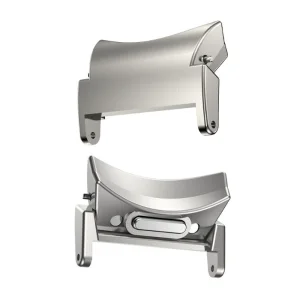
In high-end horology and smartwatch manufacturing, the watch end cap (commonly referred to as the watch end link or case-to-bracelet adapter) is a critical structural element. It bridges the aesthetic and functional gap between the watch case and the metal bracelet or strap. Geometrically and structurally, a poorly engineered end cap can ruin the ergonomics of a luxury watch, cause premature wear on the spring bars, and compromise the structural integrity of the entire timepiece. In contrast, premium solid end links (SEL) provide a seamless, integrated visual flow that defines high-caliber watchmaking.
From a global supply chain perspective, the production of high-precision watch end caps is concentrated in specialized industrial clusters. Manufacturers utilize multi-axis CNC machining, metal injection molding (MIM), and advanced surface finish techniques to satisfy the strict tolerances demanded by global luxury watch brands and consumer electronics giants manufacturing smart wearables. As market demand shifts from basic hollow end links to robust, custom-tailored solid metal adapters, selecting the right industrial partner has become paramount for OEMs and microbrands alike.
Hollow end links (HEL) are stamped from metal sheets, offering cost-efficiency but suffering from structural instability over time. Premium horology has shifted decisively toward Solid End Links (SEL), CNC-milled from block metal to provide ultimate durability and a precise fit.
Modern watch cases feature highly complex curved lugs. Sustaining an invisible seam lines between the case and the strap requires CNC micromachining processes that control dimensional tolerances to within ±0.005mm.
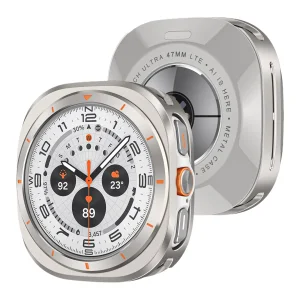
With the rapid growth of smartwatches and custom tool-less straps, manufacturers must produce quick-release integrated end caps (e.g., Apple Lug or Samsung quick-button connectors) with tight tolerances and high mechanical resilience.
Comparing Substrates, Tensile Strengths, and Surface Treatments for Professional Horology
Choosing the correct alloy is fundamental to watch engineering. Watch end caps are subjected to continuous tension, torque, environmental sweat, saltwater, and impact forces. Sourcing directors must analyze the chemical composition and physical properties of common metals used in watchmaking to match their functional demands. Below is a comparative breakdown of the industry's leading materials:
316L Stainless Steel remains the global standard for luxury and sports watch components. Formulated with molybdenum, it resists pitting corrosion from seawater and organic acids. For extreme luxury applications, 904L Stainless Steel offers even higher chromium and copper content, resulting in superb corrosion resistance and a unique high-polish finish, though it demands sophisticated tooling due to work-hardening properties.
For high-performance sports and aerospace-inspired timepieces, TC4 Titanium (Grade 5) is the material of choice. It offers the same strength as steel but at 60% of the weight, coupled with hypoallergenic properties. However, its low thermal conductivity makes precision CNC lathe machining and drilling a complex process that only top-tier manufacturers can master. In specialized luxury segments, Zirconia Ceramic (ZrO₂) offers absolute scratch resistance, demanding specialized diamond-cutting and sintering technologies to shape intricate end caps without micro-cracking.
Dongguan Ciso Tool Co., Ltd. — Setting the Standard for Precision Horology & Custom OEM Watch Components
Founded in 2006, Dongguan Ciso Tool Co., Ltd. is a professional manufacturer specializing in the research, development, and production of mid-to-high-end precision watch components and complete watch solutions. Formerly operating under an earlier corporate structure, the company has grown into a modern manufacturing enterprise with strong integrated capabilities across design, engineering, and precision production.
Guided by the principle of "Quality First, Integrity Supreme," Ciso emphasizes excellence in every production process. The company implements rigorous quality assurance protocols, ensuring that each product meets international standards for durability, precision, and aesthetic refinement.
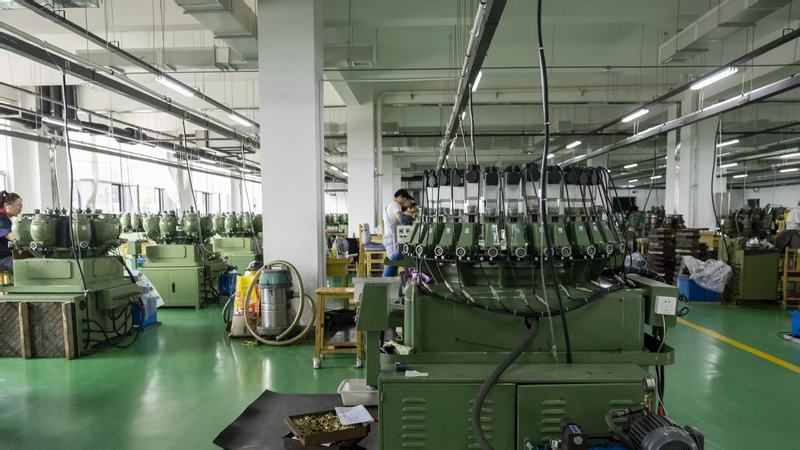
Independent industrial facility covering over 20,000 square meters optimized for high-throughput precision engineering.
Employs more than 500 skilled staff members including assembly experts, machinists, and testing engineers.
A dedicated R&D team of over 60 professionals driving innovation in materials, design, and toolpaths.
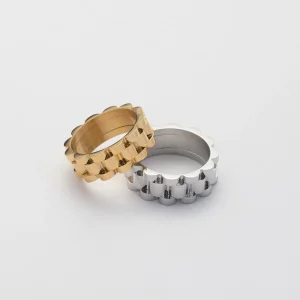
Ciso focuses on the R&D and manufacturing of premium watch accessories, including watch dials, watch cases, watch straps, watch buckles, and precious metal components such as 18K gold watch parts and fine jewelry accessories. In addition, the company provides full ODM and OEM services, supporting complete watch customization from concept design and prototyping to mass production and assembly. Through consistent quality and reliable service, Dongguan Ciso Tool Co., Ltd. has established long-term partnerships with well-known domestic brands and continues to expand its presence in global markets.
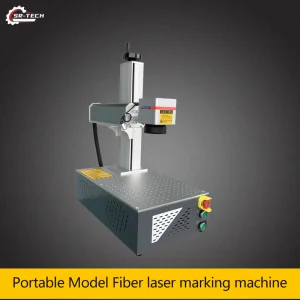
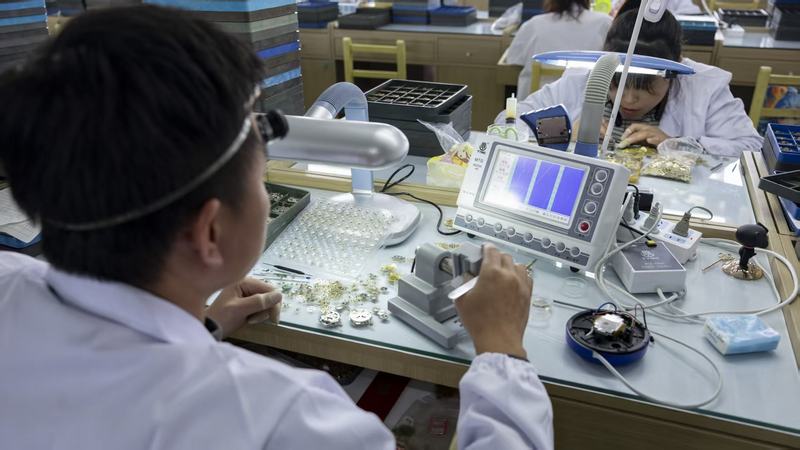
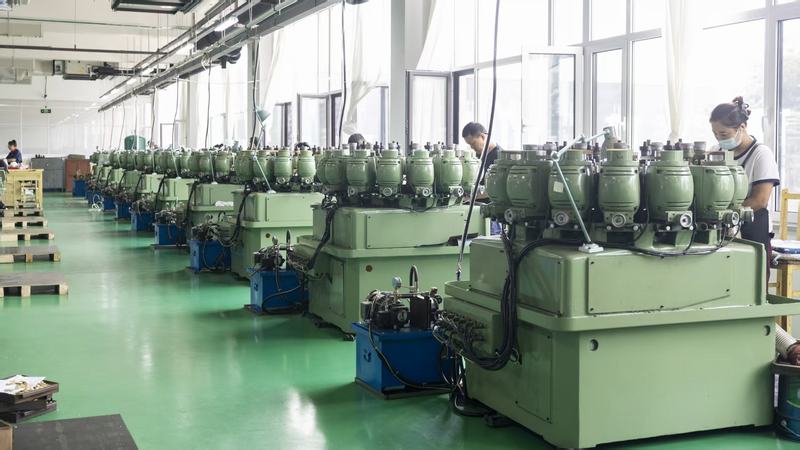
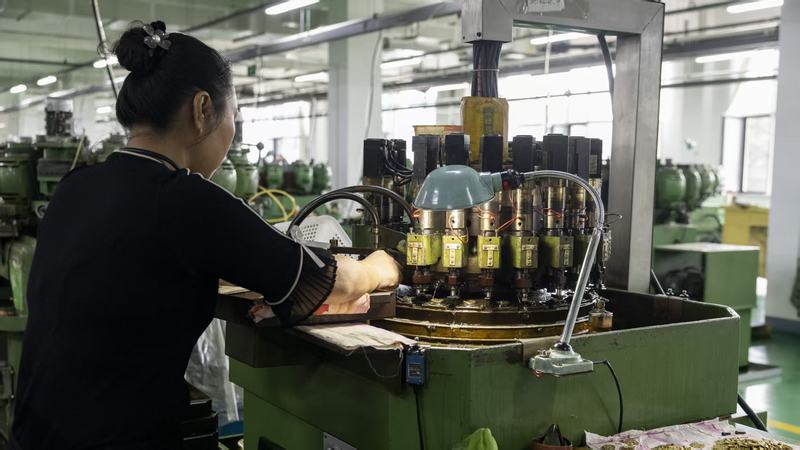
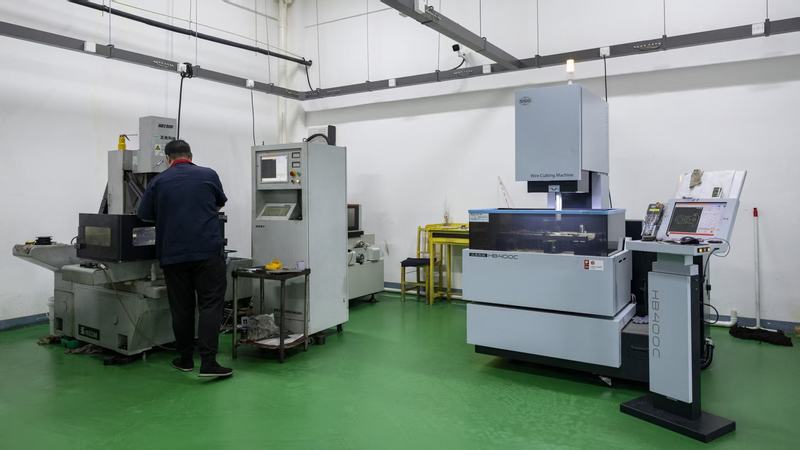
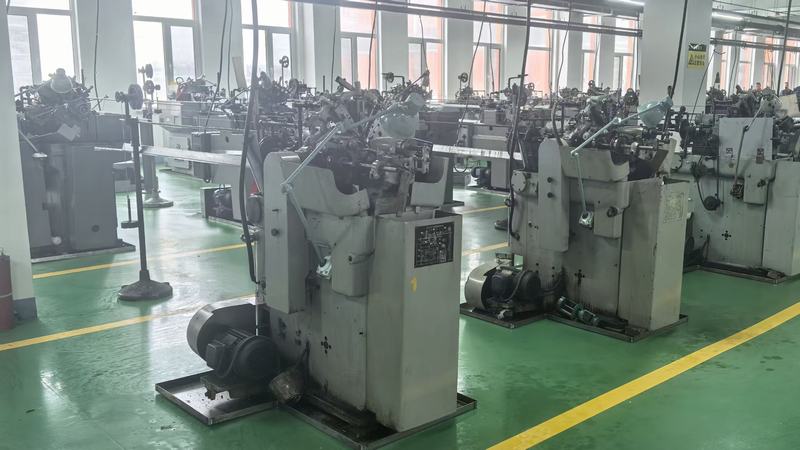
Equipped with high-precision tooling systems, multi-station automated machinery, and multi-stage testing setups, Ciso ensures zero-defect parts delivery. Review our key manufacturing processes and machinery below:
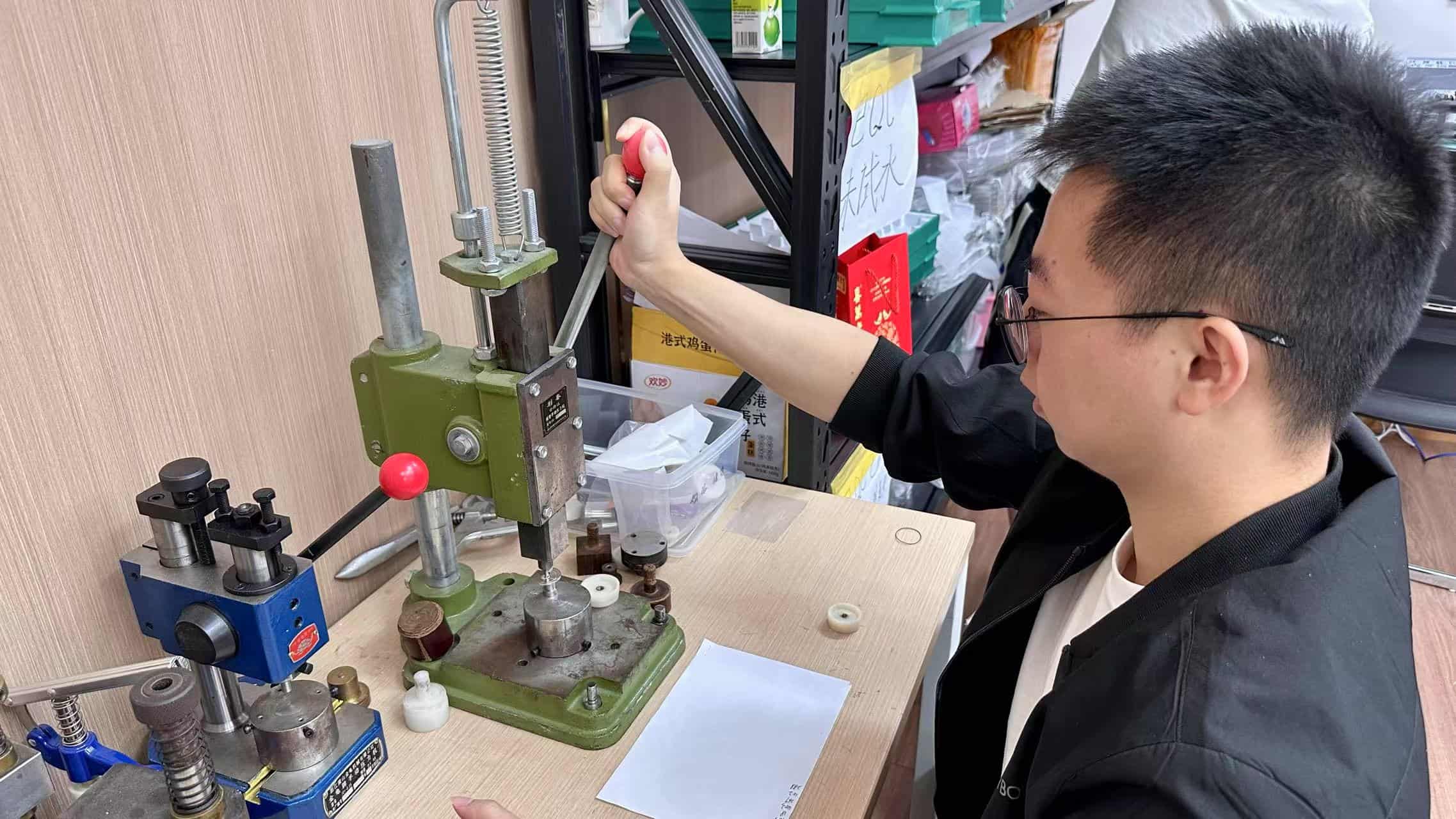
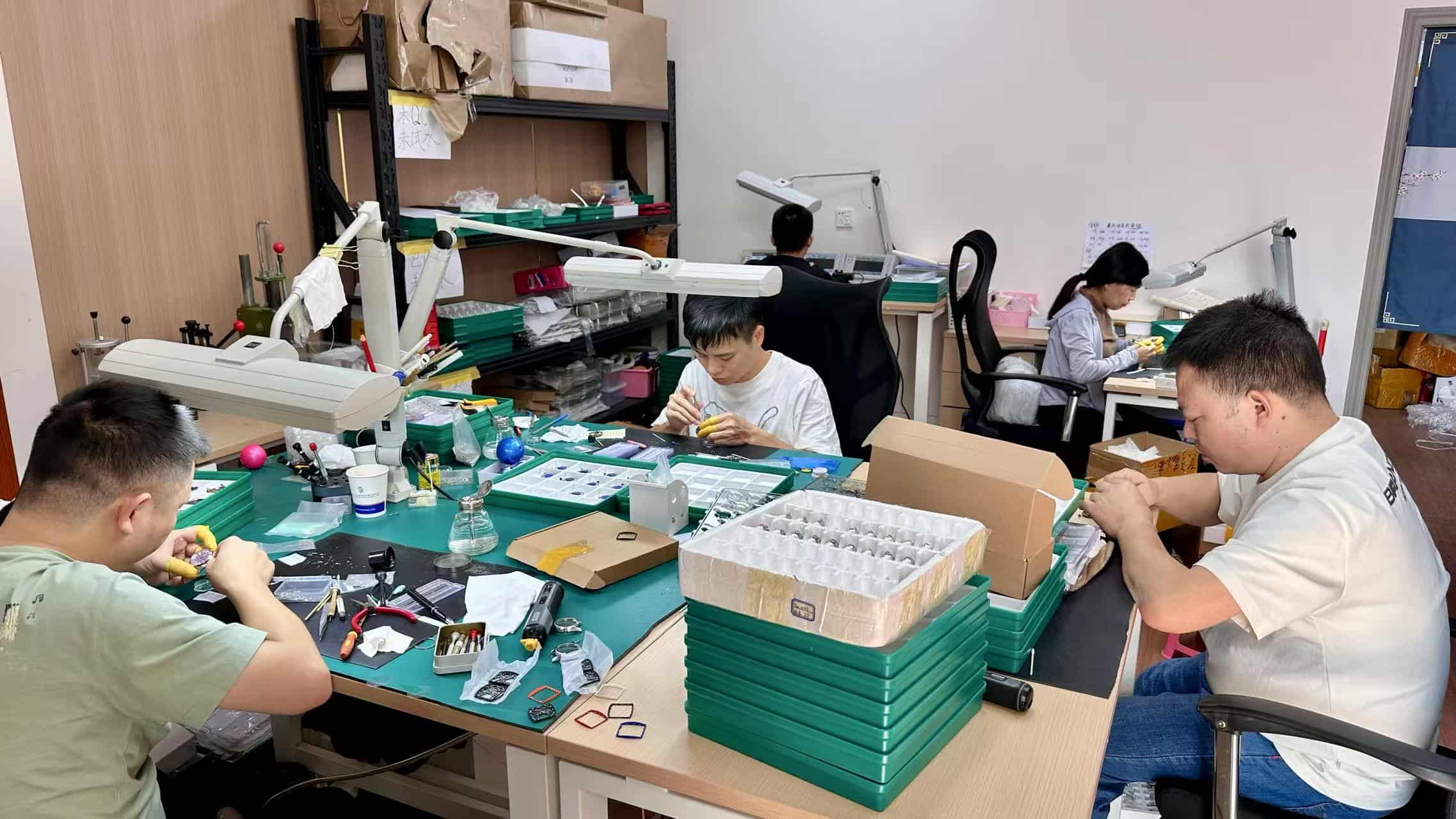
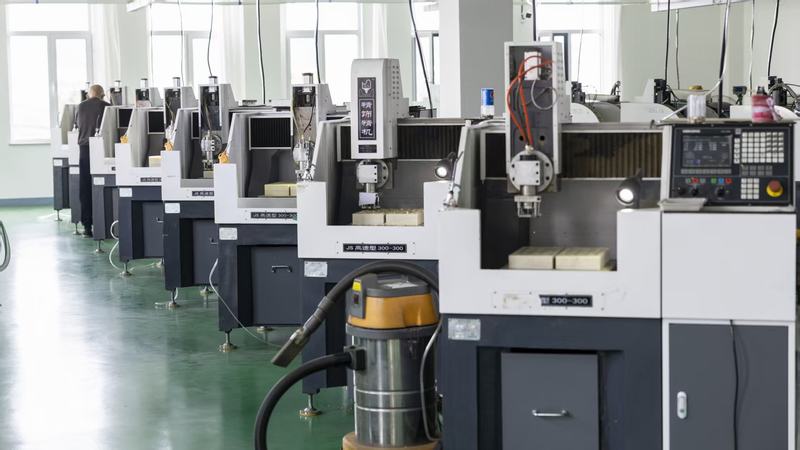
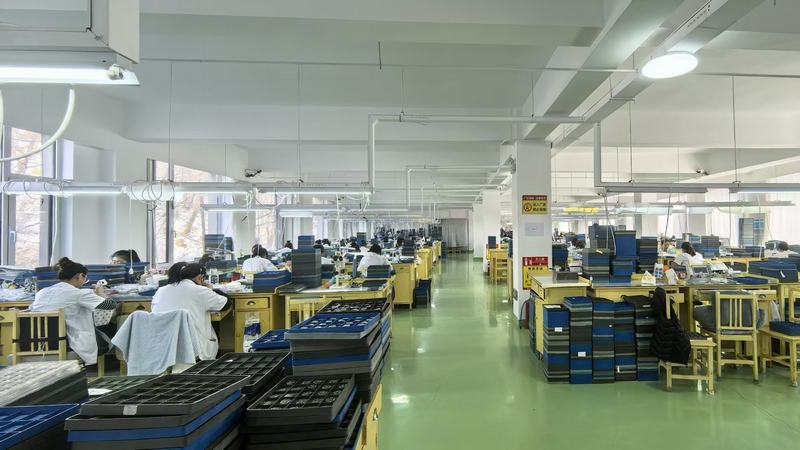
An Engineering & Quality Assurance Checklist for Sourcing Teams and Product Managers
Procurement departments cannot evaluate watch component vendors on price alone. Due to the high visibility of case connections, even micro-defects in end cap integration can generate substantial post-purchase returns and damage brand reputation. A systematic evaluation based on key operational pillars is required:
Ensure the supplier operates high-speed multi-axis CNC machines and automated optical comparators. End links must align seamlessly with watch case lugs. Ask for a Cpk (Process Capability Index) report to verify consistency over a production run of 10,000+ units.
Elite manufacturers implement strict ISO-certified testing procedures. The watch end cap connects to the bracelet and bears the brunt of physical stress. Ensure the exporter runs salt spray testing (ISO 9227) for rust, artificial sweat exposure tests, and shear tension tests (ASTM E8) to verify structural integrity.
A mismatch in finishing ruins the design flow of a timepiece. Exporters must prove mastery over varied finishes—such as satin brushing, mirror-polishing, bead blasting, and PVD/DLC coating—to ensure the end caps match the watch cases' exact finish.
Deploying High-Precision Lugs and End Links Across Diverse Consumer Verticals
Watch end caps are not isolated elements; they are integrated into complex consumer use cases. In the luxury horology segment, watch end caps must align with classic Swiss-style cases (e.g., Oyster, Jubilee style bracelets) where hand-finished assembly is paramount. Tolerances are kept exceptionally tight to eliminate any movement or "rattle," conveying a solid, premium weight on the wrist.
In the smartwatch and fitness tracker sector, end cap adapters serve as critical structural bridges. Because users often switch straps for different occasions (e.g., leather straps for office wear, silicone bands for sports), these adapters utilize proprietary, spring-loaded quick-release buttons (like 20mm/22mm quick-change pins). These end caps must withstand thousands of insertion cycles without wearing out, requiring advanced metallurgy (like TC4 Titanium or reinforced 316L) to ensure the device remains secure during high-impact activities.
Furthermore, microbrands and customizers focusing on Seiko modding (NH35/NH36 platforms) rely on standardized but highly stylized end-link designs (like SKX007 compatible links). These custom adapters must bridge the gap between aftermarket cases and standard OEM bracelets, offering a lucrative, high-turnover product category for specialized exporters globally.
How Additive Manufacturing, Smart Materials, and Green Metallurgy are Reshaping the Component Supply Chain
The transition toward recycled steel (e.g., Panerai's eSteel) and cobalt-free alloys is driving component R&D. Manufacturers must optimize tools to shape recycled metals that often display different hardness profiles.
While CNC milling dominates, Metal Injection Molding (MIM) and Binder Jetting 3D printing are gaining ground. These technologies allow for complex internal chambers inside the end cap, reducing overall weight.
Future smart-straps will locate sensors within the end caps to track stress, temperature, or biometric data right at the lug connection, presenting new design challenges for electronic isolation and signal routing.
Addressing Crucial Engineering and Sourcing Inquiries from B2B Sourcing Managers
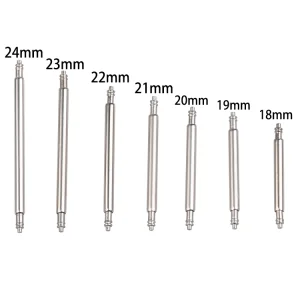
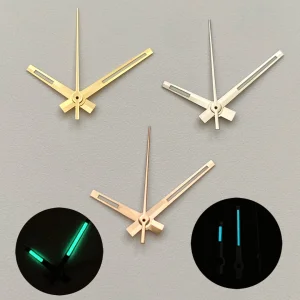
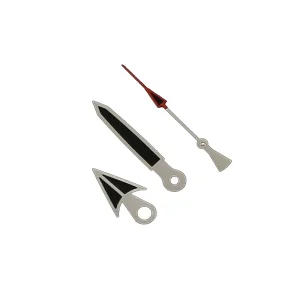
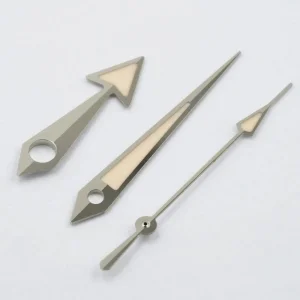
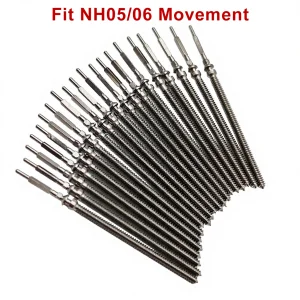
Complete your sourcing requirements with our high-grade luminous hands, heavy-duty link pins, and custom OEM smart wearable adapters.