Ciso Tool
Ciso Tool
Ciso Tool
Explore our elite selection of custom mechanical watch components and high-grade system replacements.
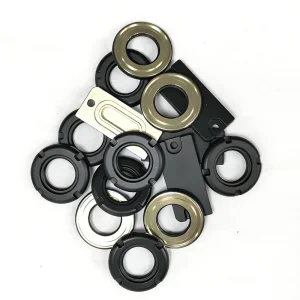
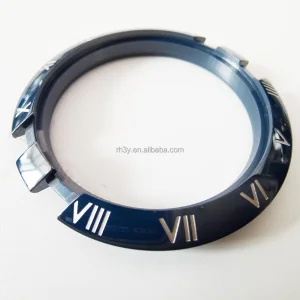
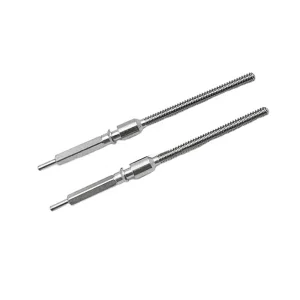
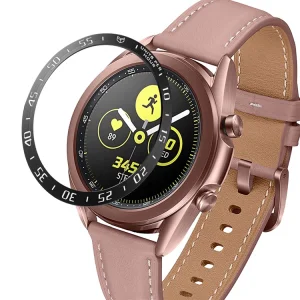
In the intricate ecosystem of self-winding mechanical movements, the watch rotor (commonly referred to as the oscillating weight) serves as the primary energy harvesting unit. By converting the kinetic energy of human motion into potential energy stored within the mainspring, the efficiency, weight distribution, and balance profile of the rotor directly influence the movement’s power reserve and tracking accuracy.
As a leading CE certified watch rotor supplier and exporter, Dongguan Ciso Tool Co., Ltd. delivers micro-engineered mechanical components that strictly satisfy the complex demands of Swiss, Japanese, and independent horological manufacturers. By balancing advanced metallurgy with micron-level CNC milling capabilities, our assemblies ensure minimal bearing friction, optimized winding performance, and aesthetic elegance fitting for high-end automatic movements.
“An automatic movement is only as efficient as its oscillating rotor. A minor weight deviation of even 0.05 grams or an off-center balance error can degrade winding performance by up to 35%, highlighting the non-negotiable requirement for high-density alloys and absolute concentricity.”
Optimum energy transfer in watch movements requires the rotor to possess high density within a minimal physical profile. At Dongguan Ciso Tool Co., Ltd., we develop high-density watch rotors using high-performance alloys including Tungsten heavy alloys (up to 18.5 g/cm³), Platinum, 18K Gold, and hybrid designs using Brass or Steel chassis with Tungsten outer rims.
Standard movements historically utilized brass or stainless steel rotors. However, modern high-efficiency movements rely heavily on tungsten heavy alloy rotors because they offer significantly higher density, leading to increased inertia. The comparison below outlines why top-tier movements demand high-density metals:
By distributing mass to the outermost periphery of the rotor, our tungsten alloy structures generate the torque required to wind the mainspring even during subtle wrist movements.
We utilize dynamic and static balancing equipment that inspects and compensates for mass eccentricity down to < 0.1 mg·mm, eliminating rotational noise and wear on the ball bearings.
All CE-certified watch rotors undergo extensive environmental and chemical resistance testing, preventing surface oxidation and long-term degradation.
Beyond functional performance, the rotor serves as the visual centerpiece of a transparent exhibition caseback. We offer a full range of high-end surface treatment techniques, including:
In the contemporary horological landscape, brands are facing a shift. The division between classic mechanical heritage and smart wearables is dissolving. Hybrid watches require a new class of mechanical self-winding modules integrated with sensors, battery-charging generators, and magnetic shields.
Dongguan Ciso Tool Co., Ltd. works directly with international smartwatch innovators and premium mechanical brands to supply non-magnetic and anti-electromagnetic interference (EMI) rotors. By utilizing specialized heavy alloys paired with ceramic ball-bearing assemblies, we protect digital sensory arrays while retaining the smooth tactile feel and mechanical efficiency that luxury consumers expect.
Global Standardization Note: Our CE certification confirms that all rotors exported to Europe comply with the strict requirements of EU Directive 2011/65/EU (RoHS) and REACH, preventing the inclusion of hazardous metals like nickel, lead, or cadmium that can trigger contact allergies when worn against the skin.
Innovation is at the core of horological precision. Below is our ongoing research and development timeline for next-generation oscillating weight systems.
Expanding industrial capability for 19.0 g/cm³ tungsten composites, allowing ultra-thin oscillating weights for ultra-thin automatic movements without losing kinetic efficiency.
R&D focused on peripheral rotor systems utilizing ceramic ball bearings, allowing high-end watchmakers to display the entire mechanical movement unobstructed by a central rotor.
Integration of high-permeability magnetic materials into mechanical rotors, turning the oscillation of the rotor into a direct micro-generator system for hybrid electronics.
Founded in 2006, Dongguan Ciso Tool Co., Ltd. has evolved from a specialized tool workshop into a modern, integrated manufacturing powerhouse. Spanning an independent industrial facility of over 20,000 square meters and employing more than 500 skilled professionals, our company houses advanced manufacturing facilities optimized for high-volume, high-precision watch component fabrication.
Our dedicated R&D division features over 60 experienced engineers and designers who partner with global watch brands to develop complete OEM/ODM systems. From conceptual CAD layout, 3D prototyping, and structural load analysis to material selection and mass production, we provide an integrated, end-to-end manufacturing workflow.
Precision requires advanced machinery. Our workshop is equipped with state-of-the-art automatic lathes, multi-station milling centers, and specialized testing equipment to guarantee consistent dimensional tolerances of less than ±0.002mm.
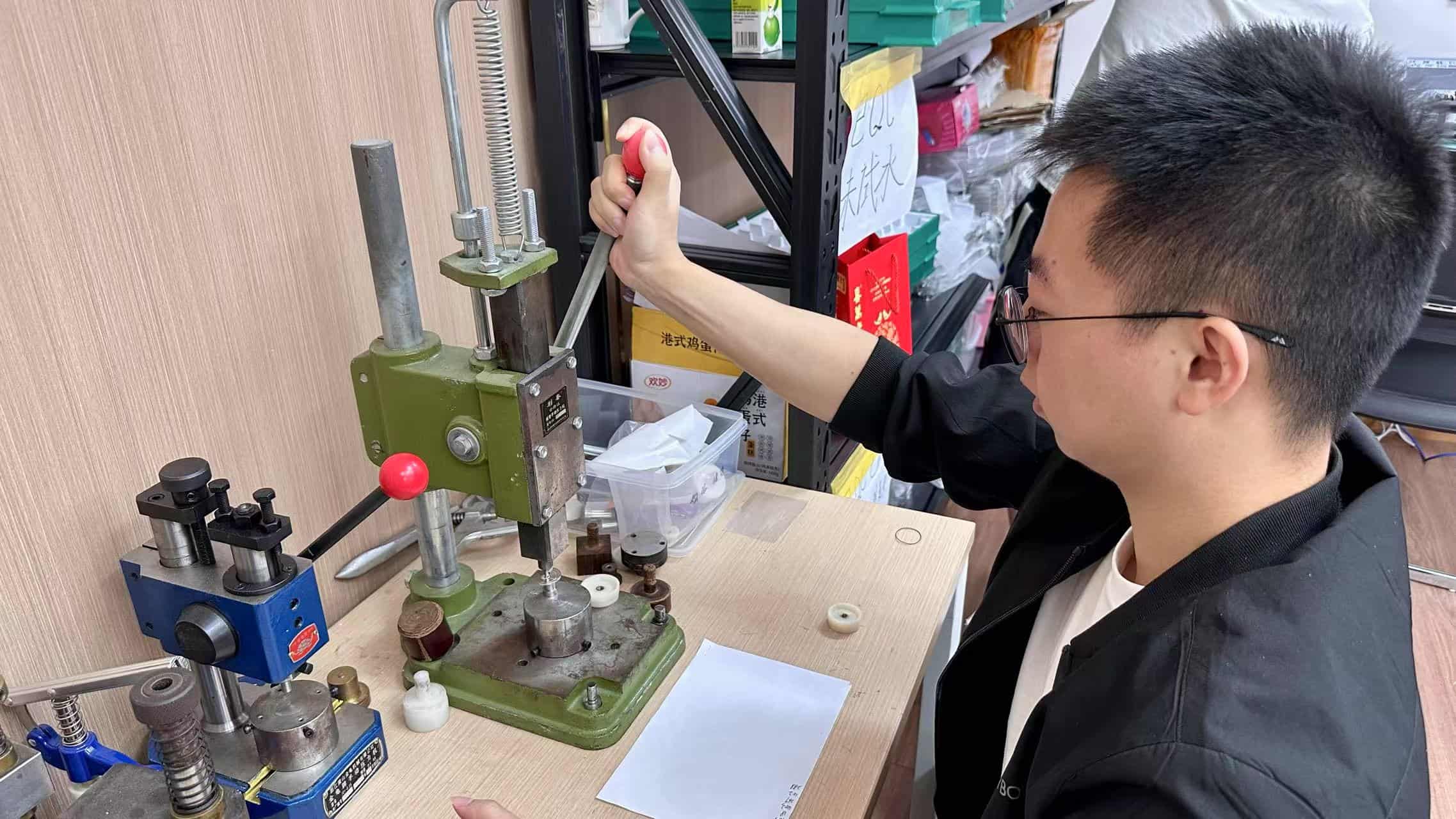
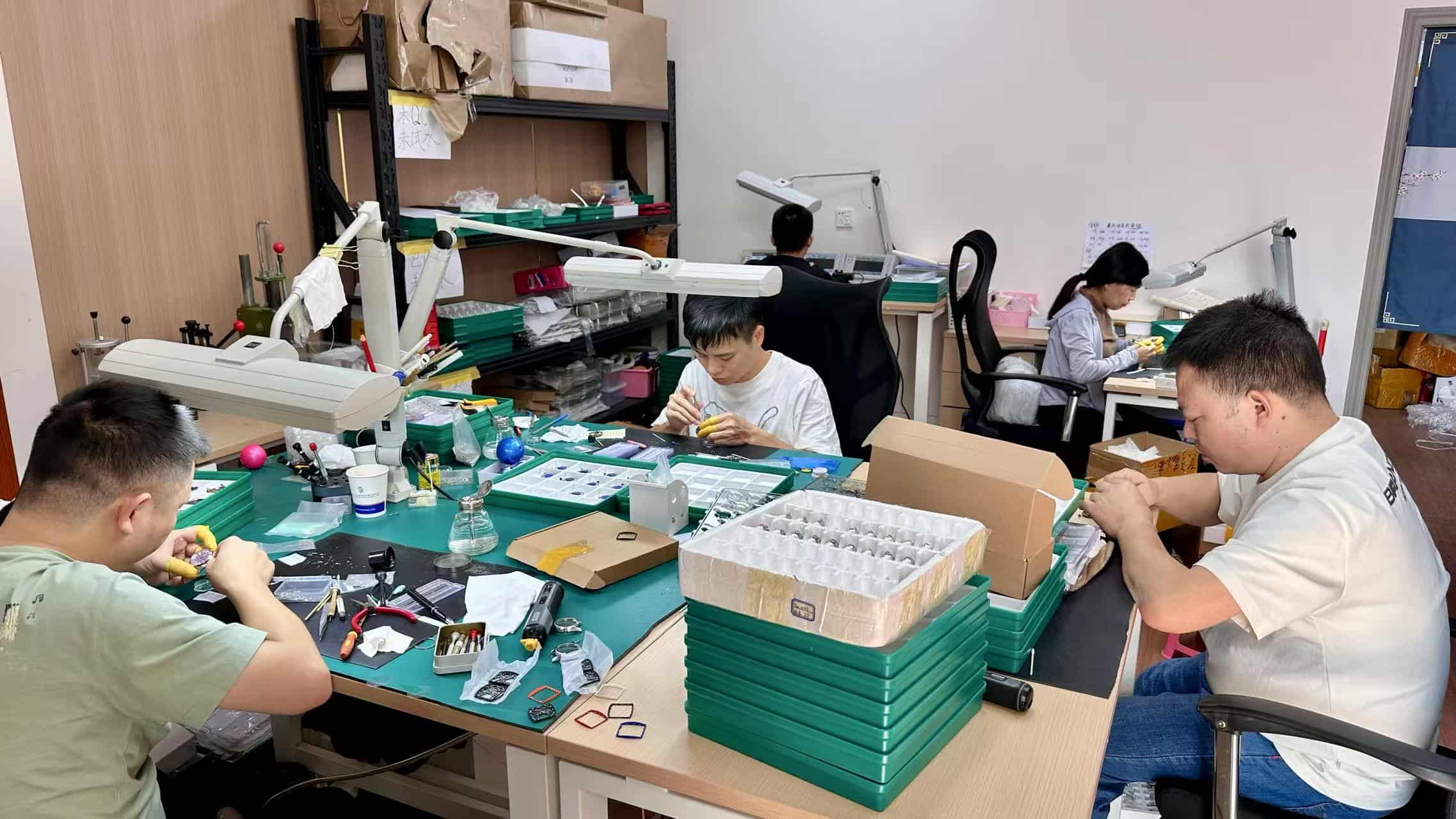
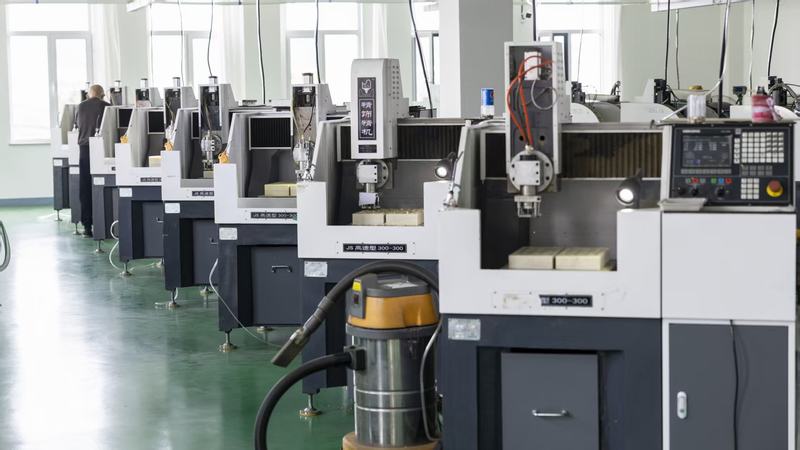
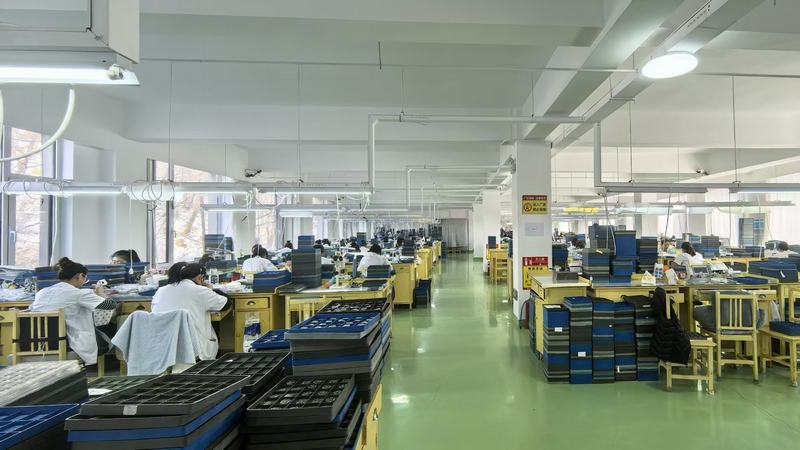
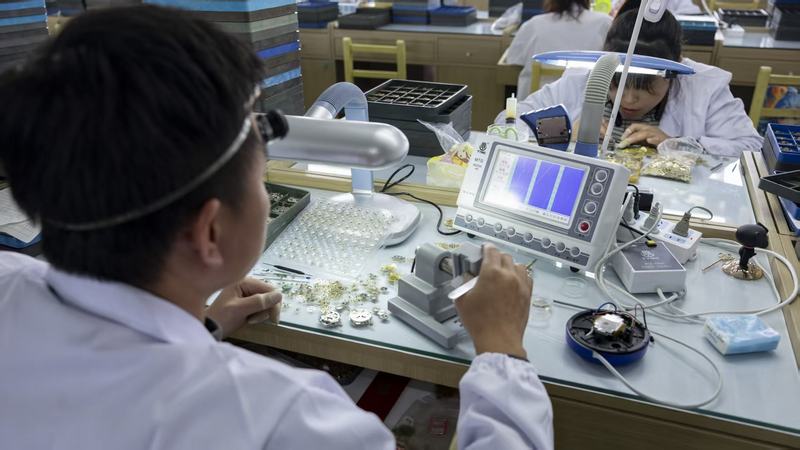
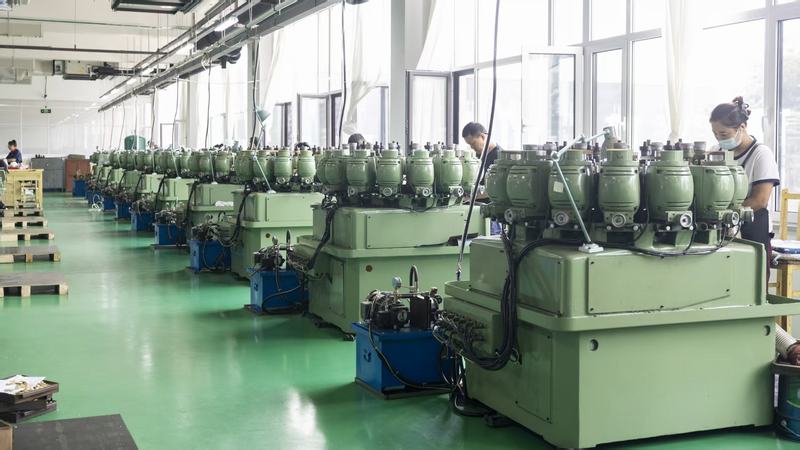
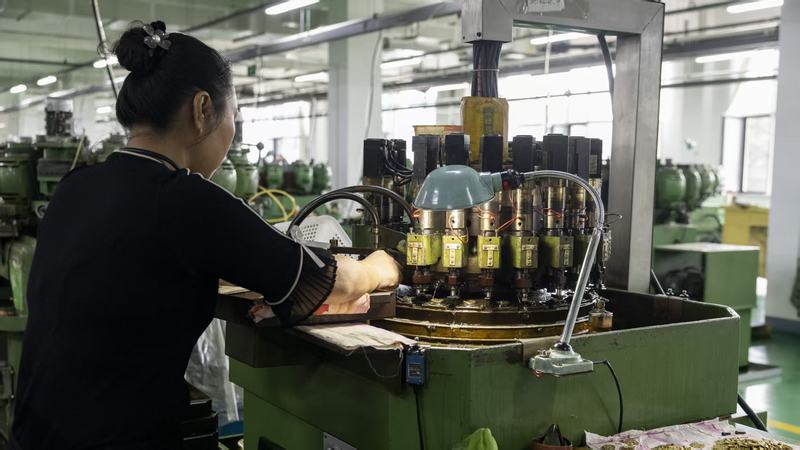
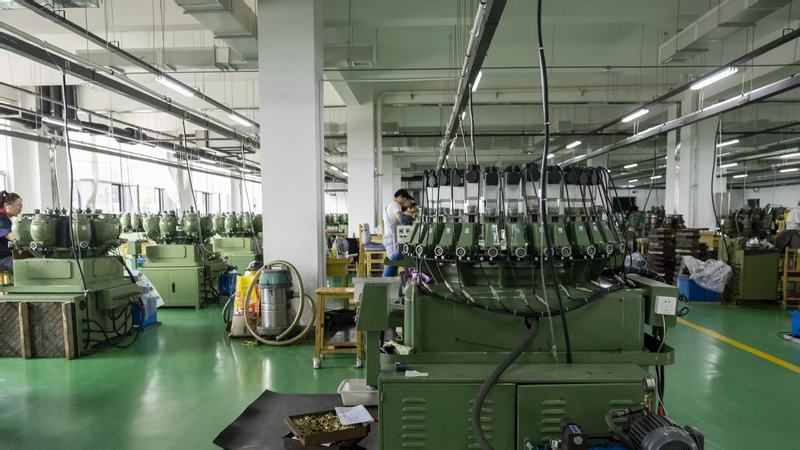
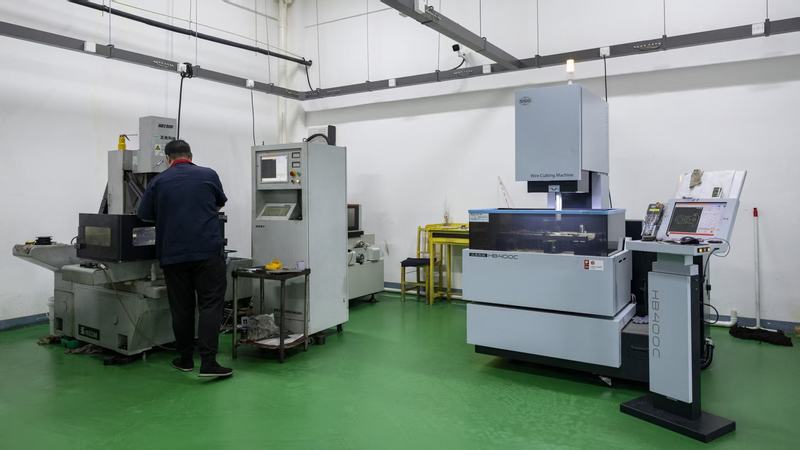
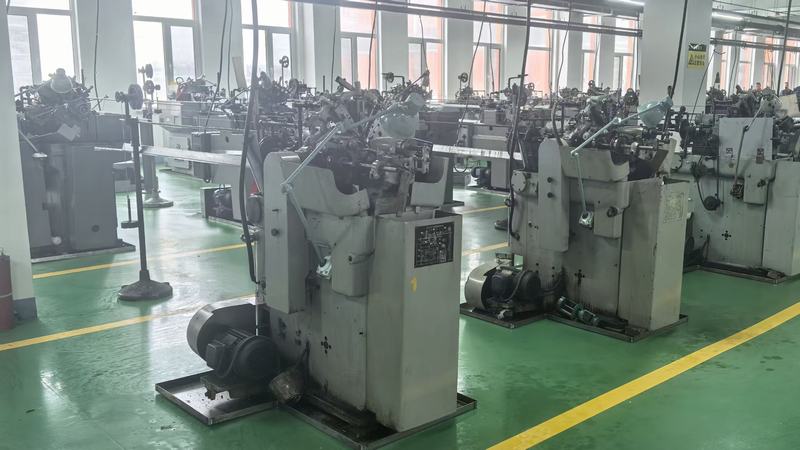
In B2B horological procurement, a watch rotor is not just an individual component; it must integrate with the movement. Our design process matches critical parameters to guarantee compatibility with your movement specification:
Beyond our primary core line of oscillating weights, our facilities manufacture high-end watch accessories including dials, cases, bands, buckles, and precious metal elements. Guided by the principle of “Quality First, Integrity Supreme,” we provide complete system customization services, managing your project from the initial sketch through to final packaging.
Technical and logistical insights for B2B watch manufacturers, parts importers, and horology brands.
While traditional mechanical watches do not have electrical systems, CE certification verifies compliance with safety, health, and environmental protection standards. This ensures that the heavy metals, plating chemicals, and alloys used comply with EU environmental standards (such as RoHS and REACH), safeguarding human contact and enabling import access to the European Economic Area.
We offer tungsten alloy (commonly containing 90% to 97% tungsten, yielding a density of 17-18.5g/cm³), 18K gold, platinum, and hybrid bimetallic assemblies. These heavy metals provide higher inertia in a smaller physical profile than traditional steel or brass.
Yes. We provide complete OEM/ODM support, including specialized laser marking, micro-milling, hollow-out designs, skeletal structures, and custom-colored PVD finishes to match the aesthetic profile of your brand's movements.
We utilize multi-station precision drilling and tapping machines along with advanced digital balancing sensors to identify heavy spots. Corrections are applied through precise micro-milling on the underside of the rotor weight, bringing eccentricity tolerances within < 0.1 mg·mm.
Our standard MOQ for custom-engineered rotors starts at 500 units per style to match mass production calibration. For catalog replacement parts or standard sizes, lower quantities can be coordinated based on material availability.
Yes. We engineer anti-magnetic, non-interfering hybrid rotors for smartwatches that shield electronic sensors and batteries from kinetic magnetic charging fields, maintaining high winding efficiency.
Discover additional components, repair tooling parts, and replacement accessories manufactured to international standards.