Ciso Tool
Ciso Tool
Ciso Tool
High-precision parts engineered to exact tolerances, compliant with global regulatory and safety standards.
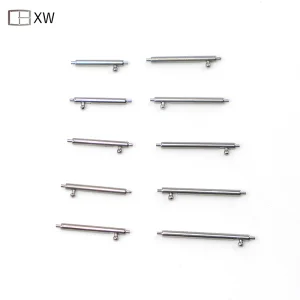
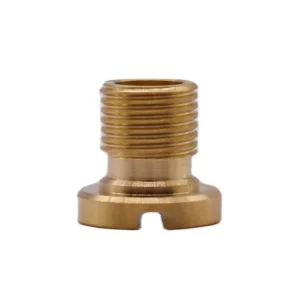
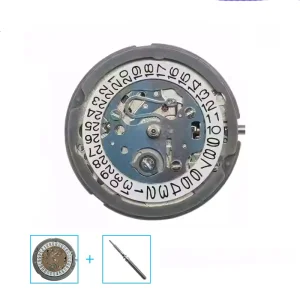
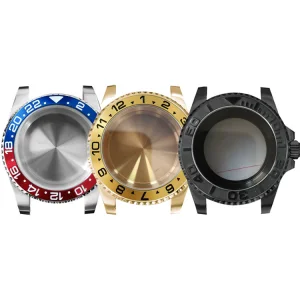
A deep technical analysis of mainplates (platines) and structural bridges in modern watch movement manufacturing.
In high-end watch manufacturing, the watch plate (often referred to as the mainplate or platine) acts as the physical backbone of the entire mechanical movement. It is the core chassis upon which all components—including the balance wheel, escapement, gear train, and mainspring barrel—are secured. Because watch movements consist of micro-components operating at tolerances down to the sub-micron level, any structural inconsistency in the watch plate can lead to gear misalignment, friction escalation, and movement failure. Thus, sourcing from a qualified, CE certified watch plate factory is a critical decision for global watch brands.
Historically, watch plates were stamped out of heavy brass sheets and hand-finished. Today, modern industrial horology utilizes high-velocity CNC machining, electro-discharge machining (EDM), and computer-aided inspection systems to produce watch plates of extreme complexity. These include highly skeletonized layouts, multi-layered bridges, and integrated dial-feet structures. Below, we examine the typical materials utilized in premium watch plate production and their respective mechanical properties.
| Material Type | Common Grade | Mechanical Advantages | Typical Finishing Method | Primary Application |
|---|---|---|---|---|
| Leaded Brass | CuZn39Pb3 (CW614N) | Excellent machinability, high structural stability, cost-effective. | Gold/Rhodium Electroplating, Perlage, Côtes de Genève. | Standard mechanical and quartz movement mainplates. |
| German Silver (Maillechort) | CuNi18Zn20 | Superb corrosion resistance, acquires a warm patina over time, no plating required. | Glashütte ribbing, hand-chamfering (Anglage), sandblasting. | Luxury watch mainplates and bridges (Glashütte style). |
| Titanium (Grade 5) | Ti-6Al-4V | High strength-to-weight ratio, low thermal expansion, paramagnetic. | Anodizing, DLC coating, satin-brushing. | Sports watches, skeletonized avant-garde movements, aerospace themes. |
| Carbon Fiber Composites | NTPT / Multi-layer Carbon | Extremely lightweight, unique visual grain pattern, shock-absorbent. | Dry high-speed milling, matte lacquer finishing. | Ultra-lightweight sports calibers, limited editions. |
Although watch plates are internal components, they are subject to strict regulatory compliance, particularly when exported to the European Economic Area (EEA). CE certification ensures that the manufacturing process and chemical composition conform to relevant European directives. For metal hardware and micro-components, compliance typically overlaps with the RoHS (Restriction of Hazardous Substances) directive and the REACH regulation. Specifically, the lead content in brass alloys must remain within permissible regulatory limits, and the nickel release must meet safety criteria to prevent allergic contact dermatitis in the end-user. As a premier CE certified watch plate factory, our supply chain ensures absolute material safety and documentation traceability.
Leveraging state-of-the-art automation and advanced fabrication techniques to redefine horological precision.
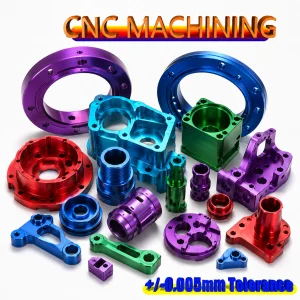
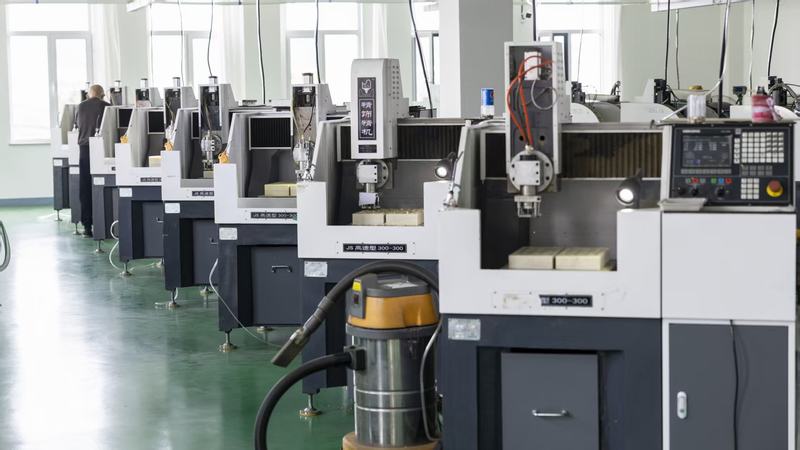
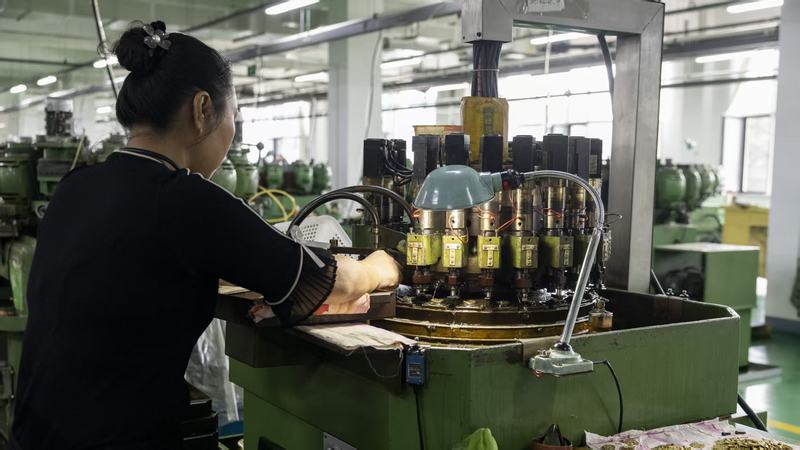
Our facility operates state-of-the-art 5-axis CNC machining centers capable of milling watch plates with position tolerances within ±0.002mm. This ensures absolute alignment of pivot holes, jewel settings, and screw threads across production runs.
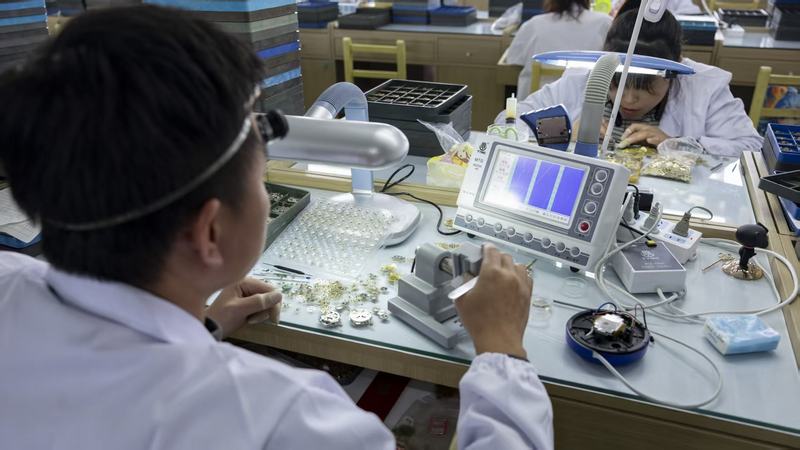
We employ automated optical coordinate measuring machines (CMM) and laser scanning systems. Every batch of watch plates undergoes computerized tolerance verification to guarantee seamless integration with mechanical movements.
Integrating automatic sandblasting, chemical passivation, and robotic polishing. Our surface treatment processes protect the watch plates from micro-oxidation while yielding world-class decorative finishes such as circular graining and colimaçonnage.
Corporate History, Integrated Manufacturing Infrastructure & Technical Capabilities
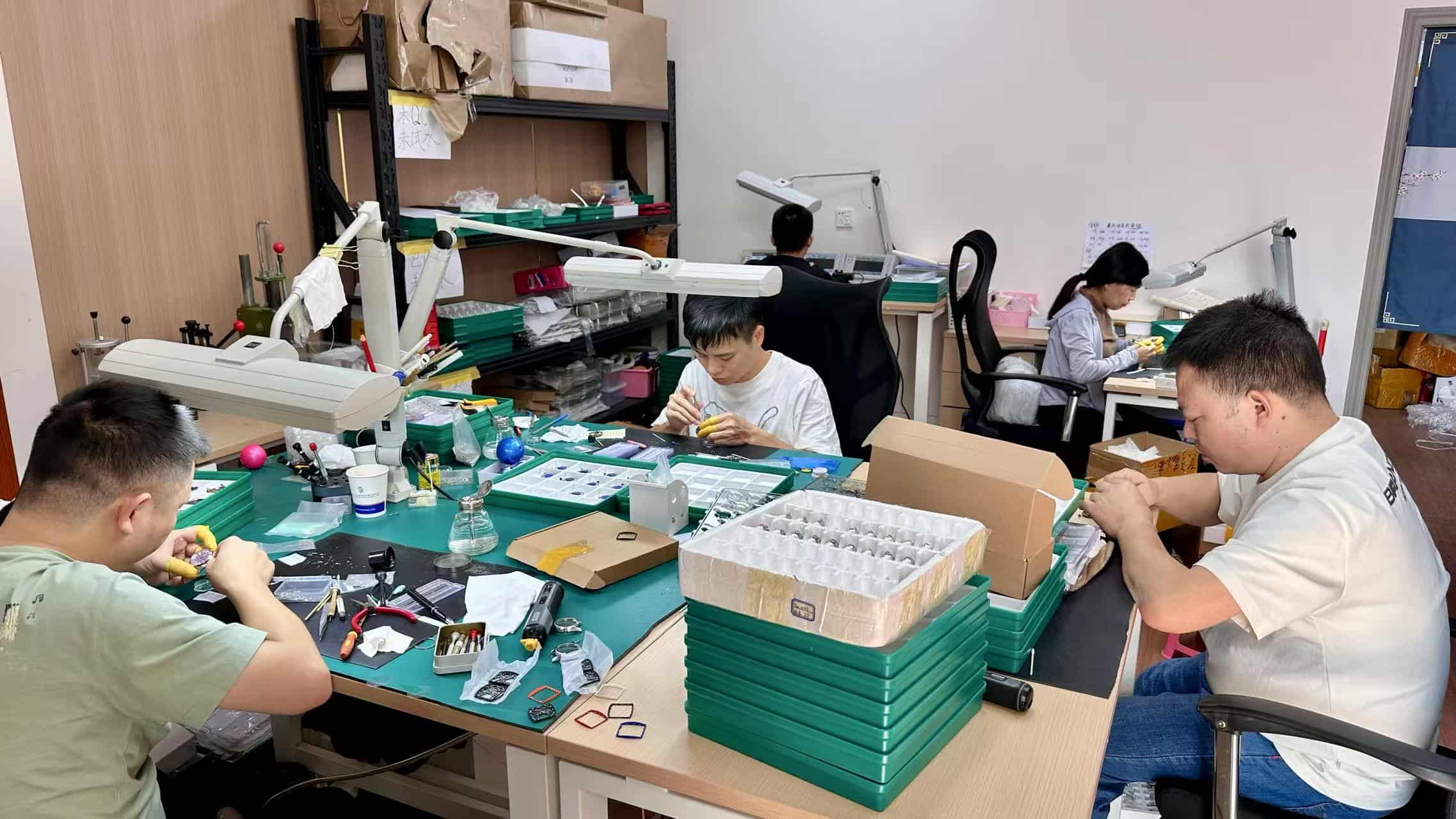
Dongguan Ciso Tool Co., Ltd. was founded in 2006 and is a professional manufacturer specializing in the research, development, and production of mid-to-high-end precision watch components and complete watch solutions. Formerly operating under an earlier corporate structure, the company has grown into a modern manufacturing enterprise with strong integrated capabilities across design, engineering, and precision production.
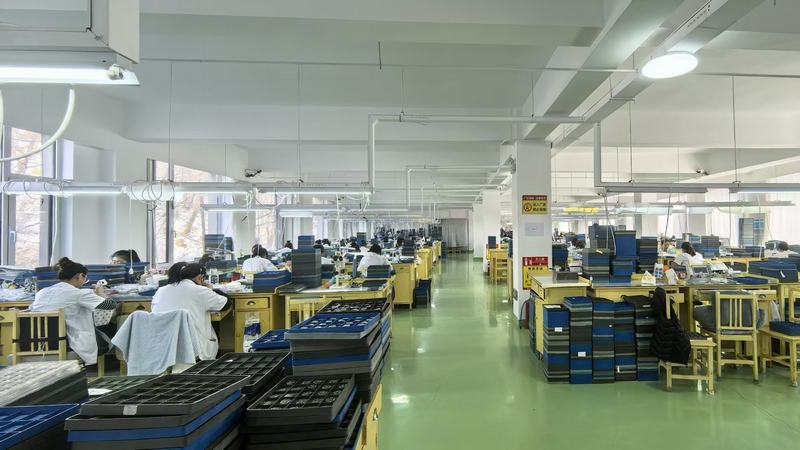
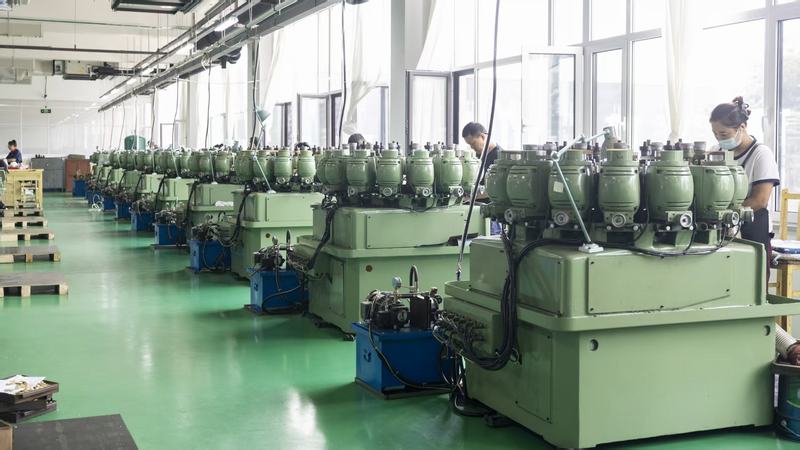
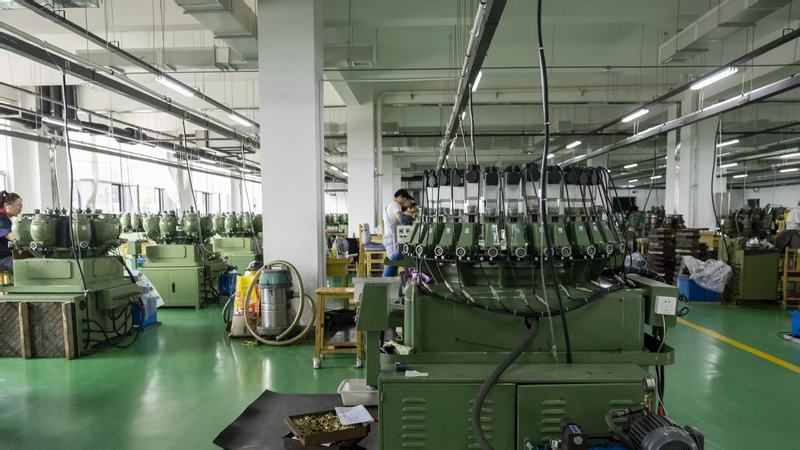
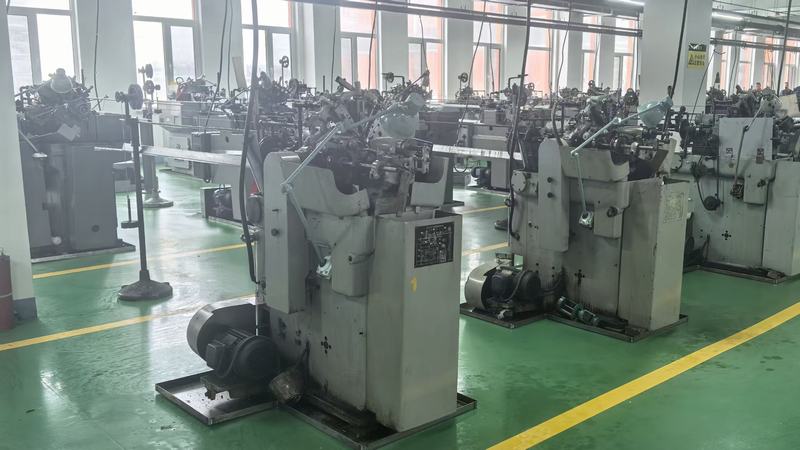
The company operates an independent industrial facility covering over 20,000 square meters and employs more than 500 skilled staff members, including a dedicated R&D team of over 60 professionals. With advanced production equipment, strict quality control systems, and experienced technical personnel, Ciso is committed to delivering high-precision, high-consistency products for global watch brands.
Ciso focuses on the R&D and manufacturing of premium watch accessories, including watch dials, watch cases, watch straps, watch buckles, and precious metal components such as 18K gold watch parts and fine jewelry accessories. In addition, the company provides full ODM and OEM services, supporting complete watch customization from concept design and prototyping to mass production and assembly.
Guided by the principle of “Quality First, Integrity Supreme,” Ciso emphasizes excellence in every production process. The company implements rigorous quality assurance protocols, ensuring that each product meets international standards for durability, precision, and aesthetic refinement.
Through consistent quality and reliable service, Dongguan Ciso Tool Co., Ltd. has established long-term partnerships with well-known domestic brands and continues to expand its presence in global markets. The company is committed to honest cooperation, mutual growth, and long-term value creation with international watch brands, striving to elevate the artistry and innovation of modern watchmaking.

Emerging technologies and B2B market dynamics reshaping watch movement micro-engineering.
The global watchmaking industry is undergoing a structural transition driven by two main forces: the demand for sustainability (eco-friendly materials) and the resurgence of high-mechanical complication watches. Consequently, the demand for high-end watch plates has shifted from simple flat brass stampings to complex, lightweight structural foundations.
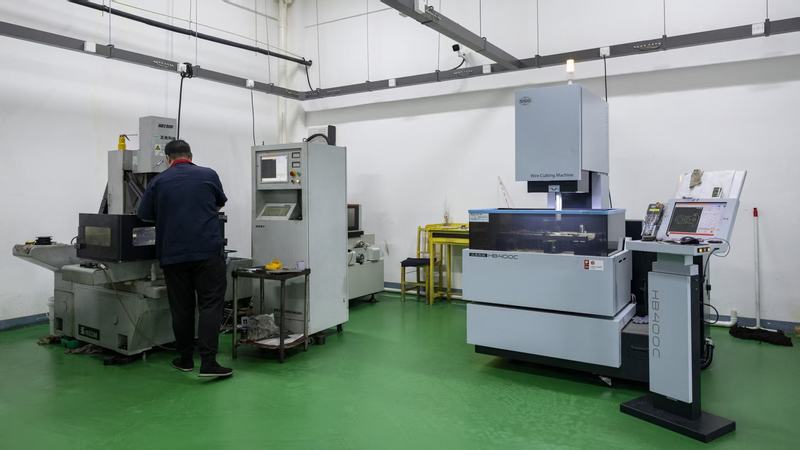
One major development is the shift toward skeletonization. In modern luxury watchmaking, plates and bridges are milled down to their absolute structural limits, leaving a web-like framework that showcases the underlying gears. This style of manufacturing requires multi-axis Swiss-type milling machines and wire EDM machinery, as traditional milling cannot support the sharp inner angles and micro-tolerances required without distorting the plate. Our engineering department specializes in designing structural support networks for customized skeleton movements, balancing aesthetic transparency with torsional rigidity.
Furthermore, localized applications are changing based on regional demands:
End-to-end B2B supply chain solutions from structural design to surface finishing and quality certification.
For watch brands and movement engineering firms, finding a supplier that can bridge the gap between design and scalable manufacturing is difficult. Dongguan Ciso Tool Co., Ltd. provides a systematic, step-by-step B2B solution for custom watch plate projects:
Technical and regulatory insights for watch brand sourcing directors and engineers.
Our precision CNC milling and automatic lathe turning machinery maintain positional tolerances for pivot holes and jewel settings within ±0.002mm to ±0.005mm. Flatness across the surface of the plate is held within 0.01mm to prevent movement binding.
We use certified lead-free or low-lead brass alloys (such as CW614N) that comply with RoHS thresholds. Every shipment of raw material is accompanied by a material certificate and chemical analysis report. Regular third-party testing (SGS) is conducted to verify compliance.
Yes, we specialize in high-end skeletonized designs. We work closely with movement engineers to mill away non-essential areas of the watch plate while maintaining structural stability to support high mainspring torque.
Our surface finishing capabilities include Côtes de Genève (Geneva stripes), perlage, circular brushing, sunburst patterns, sandblasting, hand-chamfering, and custom PVD and electroplating colors.
For custom design projects, we support prototyping and low-volume pilot runs beginning at 500 units. For mass production runs, we offer optimized unit pricing for quantities exceeding 5,000 units.
From precision mechanical watch movement components to luxury exterior cases, straps, and dials.