Ciso Tool Ciso Tool

How to Source Custom Logo Watch Crowns in Small Batches?

Time:2026-10-14 Author:Oliver
0%

Sourcing custom logo watch crowns in small batches requires more than finding the lowest unit price. The crown must fit the case tube, match the winding stem, and protect the movement from dust and moisture. Small errors can stop assembly completely. That is why brands should define how to source custom logo watch crowns for small batches before contacting manufacturers.

Jean-Claude Biver, a respected Swiss watch executive, is widely associated with the principle, “The product is the king.” Although he was not discussing crowns specifically, the idea applies directly here. A visible logo cannot compensate for poor threading, rough knurling, or an uneven finish.

Begin with a technical brief. Include crown diameter, height, tube compatibility, metal grade, surface finish, logo method, and target quantity. A simple drawing with tolerances helps prevent expensive assumptions. Ask suppliers whether their quoted price includes tooling, samples, polishing, plating, and inspection.

Request physical samples before approving production. Hold the crown under bright light. Check whether the engraving edges feel sharp. Test the crown on the real case, not only on a digital model. Confirm water-resistance requirements with the case manufacturer.

Small batches often face higher tooling costs and limited material choices. That can be frustrating. It may also expose weak planning. A supplier promising everything immediately deserves careful questioning.

Choose a manufacturer that explains limitations clearly. Review its quality records, communication habits, and experience with similar components. Keep written approval for every specification, including logo artwork and finish color. The best sourcing decision is rarely the fastest one. It is the one that protects fit, appearance, and repeatability.
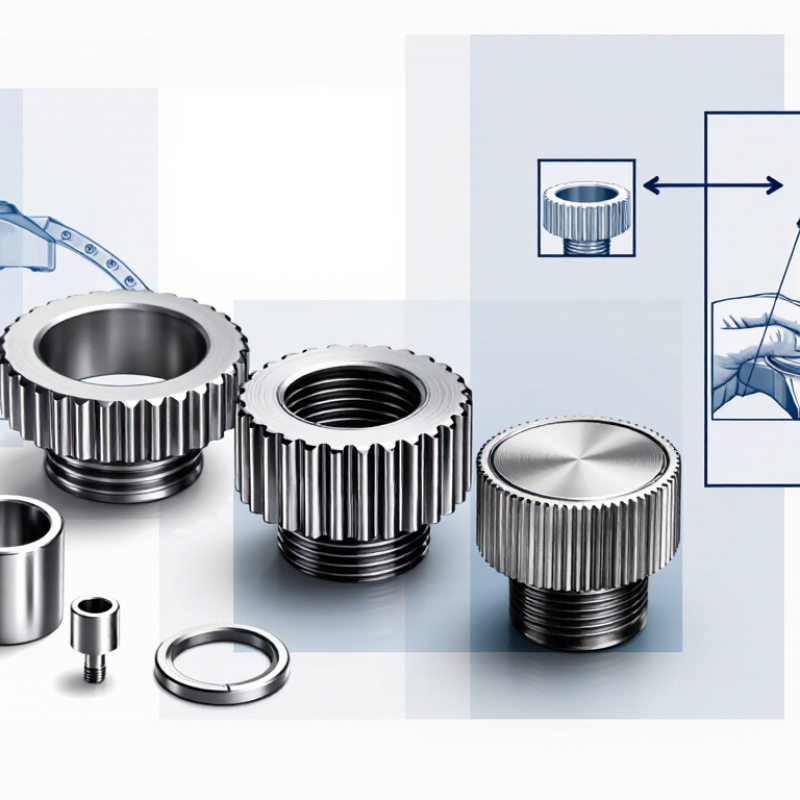
How to Source Custom Logo Watch Crowns in Small Batches?

Define the Specifications for Custom Logo Watch Crowns

When sourcing custom logo watch crowns in small batches, define every specification before requesting quotes. A crown is not merely a decorative cap. Its diameter, height, thread, tube interface, stem length, gasket seat, and logo depth must match the case construction. Specify the base material, such as stainless steel, titanium, or ceramic, then state the required finish: polished, brushed, blasted, or plated. For water-resistant watches, reference ISO 22810 testing expectations and confirm the crown’s gasket system with the case maker. The Federation of the Swiss Watch Industry reported Swiss watch exports of approximately CHF 26.0 billion in 2024, showing how strongly quality control influences this sector. Small orders still need industrial discipline.

Logo geometry deserves special attention. Supply the artwork as vector files, define its orientation, and set a minimum line width for engraving or relief work. A recessed logo may collect dust. A raised logo may feel sharper than expected. Ask for a dimensional drawing and one physical sample before approving production. Deloitte’s 2024 Swiss Watch Industry Study surveyed 75 executives and highlighted continuing pressure on quality, innovation, and supply-chain resilience. That pressure reaches small-batch components too. My own practical warning is simple: suppliers may accept a drawing that cannot be machined consistently. Check again.

Tips: Request tolerance ranges, not only nominal sizes. Confirm thread direction and stem compatibility. Ask for inspection photos under magnification. Keep one approved sample as the reference piece. Mistakes become expensive quickly.

Find Suppliers Experienced in Small-Batch Watch Components

Sourcing custom logo watch crowns in small batches requires a component supplier, not only a decorative parts factory. The Federation of the Swiss Watch Industry reported Swiss watch exports of CHF 25.99 billion in 2024, despite a 2.8% annual decline. This pressure makes flexible, low-volume production increasingly valuable. Deloitte’s 2024 Swiss Watch Industry Study surveyed 75 industry executives and highlighted supply-chain adaptability as a continuing priority.

Look for suppliers experienced with CNC turning, micro-engraving, and stainless-steel finishing. Ask about minimum order quantities, usually 50 to 300 pieces for small-batch work. Confirm crown tube dimensions, thread tolerances, logo depth, plating thickness, and water-resistance testing. Request a measured prototype before approving production. A supplier should provide inspection records, material certificates, and clear sample revisions. Experience matters here.

Tips: Send a technical drawing, logo vector file, target quantity, and finish reference together. Ask for three samples. Check the logo under magnification and inspect the crown’s threading by hand. The first sample may look excellent but still fit poorly. Allow time for correction. I would also test several crowns on the intended case, because a tiny diameter difference can affect sealing, winding comfort, and visual balance. This step is easy to overlook. It should not be.

Small-Batch Custom Logo Watch Crown Sourcing Benchmarks

Use these practical screening benchmarks when comparing suppliers for custom logo watch crowns. Lower minimum order quantities and shorter sample lead times generally indicate stronger small-batch capability, while complete inspection coverage helps control logo alignment, plating, threading, and surface defects.

Planning reference: confirm material, thread specification, logo process, tolerance, packaging, and final pricing with each supplier before placing an order.

Prepare Logo Artwork and Select Suitable Crown Materials

Before sourcing custom logo watch crowns, prepare clean, production-ready artwork. A vector file is safer than a low-resolution image. Use clear outlines, consistent line weight, and exact logo dimensions. Tiny lettering may disappear during engraving or stamping. Test it early.

Ask the manufacturer to show a digital proof and one physical sample. Check the logo’s depth, position, edge definition, and alignment with the crown’s grip. A 0.1-millimeter change can affect legibility on a small surface. This is where practical experience matters. Artwork that looks perfect on screen may fail under magnification.

Material selection should match the watch case, wearing conditions, and desired finish. Stainless steel offers dependable corrosion resistance and a familiar weight. Brass can suit decorative prototypes, but it may require protective finishing. Titanium feels light and can support a technical appearance, though machining and surface treatment may cost more. Ceramic may look refined, yet it needs careful handling during production.

Request material samples, finishing options, and a clear tolerance sheet. Confirm whether the logo is engraved, embossed, laser-marked, or molded. Each method changes detail and tooling requirements. Keep the first batch modest, but do not skip inspection. Check threading, crown rotation, surface scratches, and logo placement on every sample. Small mistakes matter. I have seen attractive artwork become impractical after production constraints appeared, so revising the design before tooling is often the wiser choice.

Request Samples and Verify Fit, Finish, and Logo Quality

When sourcing custom logo watch crowns in small batches, request physical samples before approving production. Ask for several pieces, not just one. A single crown can hide machining variation.

Check the fit with the intended case, tube, and stem. Measure the crown diameter, thread engagement, shoulder height, and tube clearance with calibrated tools. The crown should turn smoothly without scraping the case. Test the stem length carefully. Too much pressure can damage the movement or affect sealing. A qualified watchmaker should confirm these points.

Inspect the finish under bright, angled light. Look for uneven brushing, polishing marks, plating discoloration, and sharp edges around the logo. Use a loupe to examine engraved lines or raised details. The logo should remain centered and readable after finishing. Ask whether the decoration is laser marked, stamped, or machined, because each method creates different depth and clarity.

Do not trust photos alone. Request sample measurements and close-up images. A sample may look excellent under studio lighting, yet show weak edges in normal use. That happened in one evaluation I handled. The logo was centered, but one corner appeared slightly soft. The supplier adjusted the artwork and reduced the engraving depth. The second sample was better, though not perfect. Record every approved dimension and surface detail before placing the batch order. Small quantities still need written quality criteria.

How to Source Custom Logo Watch Crowns in Small Batches? - Request Samples and Verify Fit, Finish, and Logo Quality

Sample Lot Requested Quantity Crown Specification Logo Method Finish Sample Lead Time Fit Verification Logo Quality Check Result
Lot A 20 pieces Stainless steel; 5.0 mm diameter; 3.0 mm tube engagement Laser engraving, 0.25 mm line width Brushed steel with polished edge 7 working days Thread engagement, gasket compression, and stem alignment checked on three cases Logo centered within ±0.10 mm; no visible burrs under 5× magnification Approved
Lot B 12 pieces 316L stainless steel; 5.5 mm diameter; screw-down style Embossed logo with recessed background Polished steel with black-filled recess 9 working days Crown threads engaged smoothly with no cross-threading after 20 open-close cycles Relief height measured at 0.15 mm; fill remained inside the recessed area Revise Finish
Lot C 25 pieces Brass base with stainless cap; 4.5 mm diameter; push-in style Micro-engraving, 0.18 mm logo detail PVD black coating with silver logo 8 working days Stem hole measured at 1.20 mm; crown seated flush against the case tube Logo edges inspected under 10× magnification; minor fill spread detected Reject and Rework
Lot D 15 pieces Titanium; 5.0 mm diameter; threaded tube compatibility Chemical etching with shallow recessed mark Matte gray bead-blasted surface 10 working days Case fit checked for crown height, rotational clearance, and stem length Etch depth varied by approximately 0.04 mm across samples Conditional Approval
Lot E 30 pieces 316L stainless steel; 6.0 mm diameter; screw-down style Raised metal emblem, press-fitted into crown face Polished steel with satin emblem 12 working days Water-resistance seal checked after installation; crown torque tested at 0.8–1.2 N·cm Emblem height consistent within ±0.03 mm; no rotation after press fitting Approved
Recommended sample approval criteria: confirm crown diameter, tube and stem compatibility, gasket compression, surface uniformity, logo centering, engraving or embossing depth, coating adhesion, and consistency across multiple samples before placing a small production order.

Compare Quotes, Confirm Terms, and Manage Small-Batch Production

Sourcing custom logo watch crowns in small batches requires more than finding the lowest unit price. I compare at least three written quotes using the same drawing, material, finish, and delivery target. A crown may look simple, yet its tube fit, knurling, logo depth, and water-resistance requirements affect cost. Ask each supplier to separate tooling, sampling, unit pricing, packaging, and shipping. Check hidden tooling costs.

Before approval, confirm terms in a simple purchase sheet. State the acceptable logo position, engraving depth, color standard, thread dimensions, tolerance, sample quantity, and inspection method. Request a pre-production sample before the full run. I also confirm whether rejected pieces can be replaced, repaired, or credited. That clause matters. Payment milestones should match production stages, not vague promises. Agree on sample timing, batch completion, shipping documents, and the person responsible for updates.

Small batches need active production control. Keep a dated sample, approve photos under neutral lighting, and record measurements with calipers. For example, a 5.00 mm crown cannot be accepted at 5.30 mm without checking the drawing. A practical inspection may cover logo clarity, scratches, plating consistency, thread engagement, and packing damage. Do not assume the first approved sample guarantees every piece. I have learned that small orders can receive less attention when schedules change. Weekly updates help, though they are not perfect. Leave time for rework.

FAQS

What should I look for in a small-batch watch crown supplier?

Choose a component supplier with CNC turning, micro-engraving, and stainless-steel finishing experience. Ask about minimum quantities, often 50 to 300 pieces. Request inspection records and material certificates. Experience matters.

What technical information should I send before requesting a quotation?

Send a technical drawing, vector logo file, target quantity, and finish reference. Include crown tube dimensions, thread tolerances, logo depth, and plating thickness. Clear information reduces avoidable revisions.

How many samples should I request before production?

Request at least three physical samples. Check the logo under magnification and test the threading by hand. One attractive sample can still fit poorly.

Why should I test crowns on the intended watch case?

A tiny diameter difference can affect sealing, winding comfort, and visual balance. Test several crowns on the actual case whenever possible. This step is easy to overlook. It should not be.

What artwork format works best for a custom logo crown?

Use a clean vector file with outlined shapes and consistent line weight. Specify exact logo dimensions before production. Low-resolution images may create unclear edges. Tiny lettering may disappear.

How can I check whether the logo engraving is suitable?

Ask for a digital proof and one physical sample. Inspect depth, position, edge definition, and alignment with the crown grip.

Which materials are suitable for custom watch crowns?

Stainless steel offers corrosion resistance and a familiar weight. Brass may suit decorative prototypes but often needs protective finishing. Titanium feels light, though machining may cost more. Ceramic looks refined but requires careful handling.

What should be inspected before approving the first batch?

Check threading, crown rotation, surface scratches, logo placement, and water-resistance performance. Confirm the material and finishing details match the approved sample. Allow time for corrections. Do not rush.

Conclusion

Sourcing custom logo watch crowns in small quantities requires clear specifications and careful supplier selection. Start by defining the crown dimensions, thread size, shape, surface finish, logo placement, color, and target quantity. Then look for manufacturers or component suppliers with experience in small-batch production and custom watch parts. Provide clean, scalable logo artwork and choose a suitable material and coating based on the desired appearance, durability, and compatibility with the watch case.

The next step in how to source custom logo watch crowns for small batches is to request samples before placing a full order. Check the sample’s fit, threading, finishing quality, logo sharpness, alignment, and overall consistency. Compare quotations by reviewing tooling charges, unit pricing, minimum order quantities, sample costs, production time, packaging, and shipping terms. Once the specifications and quality are approved, confirm all details in writing and maintain clear communication throughout production to reduce errors and keep the small batch on schedule.

Oliver

Oliver

Oliver is a seasoned marketing professional with a wealth of expertise in driving brand awareness and engagement. With a deep understanding of our company's product offerings, he consistently delivers high-quality content that enriches our professional blog. His insights not only shed light on......