Ciso Tool Ciso Tool

China Best Solid vs Hollow End Links What Is the Difference?

Time:2026-09-24 Author:Sophia
0%

Choosing a watch bracelet is not only about the clasp or the links you can see. End links connect the bracelet to the watch case, and their construction can affect fit, feel, and appearance. If you are comparing suppliers in China, product photos alone may not reveal how those links are made. A polished surface can look similar across very different designs. Look closely.

The key question is what is the difference between solid and hollow watch end links? Solid end links are generally formed from thicker, more substantial material, while hollow versions use shaped, folded metal. This can influence weight and how securely the bracelet sits, but the result also depends on dimensions, tolerances, and finishing. Heavier does not automatically mean better. A well-made hollow link may fit more cleanly than a poorly finished solid one.

For buyers, practical checks matter more than a label. Ask for close-up images, measurements, material details, and confirmation that the end links match the specific case and bracelet. Check for sharp edges, visible gaps, uneven brushing, or movement where the bracelet meets the lugs. These small details are easy to miss in a catalog image. I would not judge quality by construction type alone; fit can vary between batches, and specifications should be verified before ordering. This guide explains the differences, common trade-offs, and questions worth asking when assessing solid and hollow end links from Chinese manufacturers.
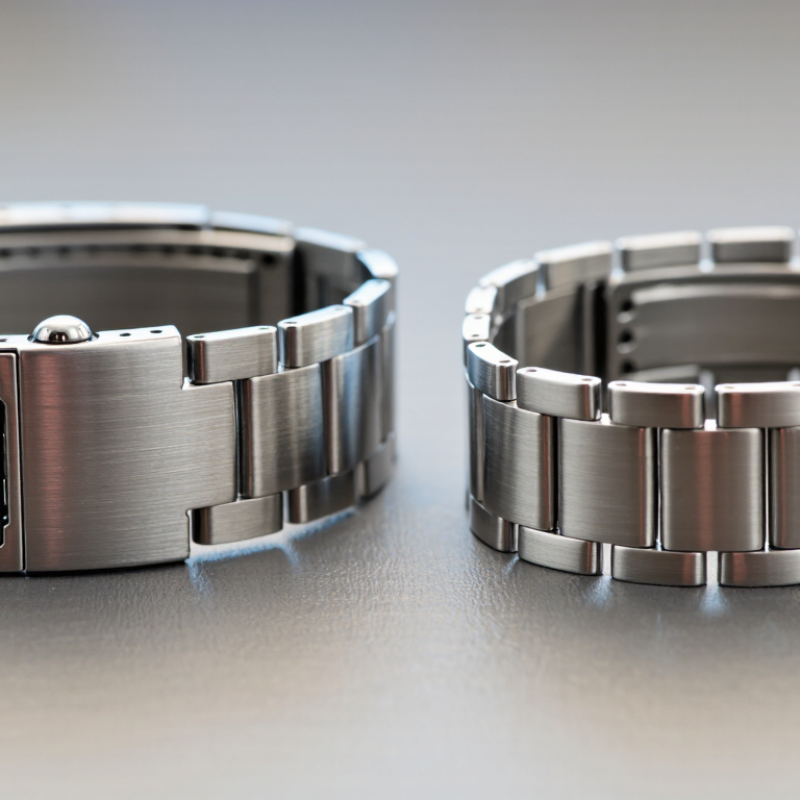
China Best Solid vs Hollow End Links What Is the Difference?

What Are Solid and Hollow End Links?

Solid and hollow end links connect the suspension stabilizer bar to the control arm or strut. Their job is simple: transfer stabilizer bar movement during cornering. The construction is different. A solid end link uses a full metal rod, usually made from steel or another high-strength alloy. It feels substantial in the hand and resists bending under repeated loads. A hollow end link uses a tubular body with an empty center. Its walls carry the load while reducing weight.

Weight is the main practical difference, but it is not the whole story. Hollow designs can provide enough stiffness when their diameter, wall thickness, and material are engineered correctly. Solid designs often offer a larger safety margin against impact damage, especially on rough roads or vehicles carrying heavy loads. However, a solid link is not automatically stronger in every application. Poor heat treatment or weak joints can still cause failure.

During suspension inspections, I check the link body, threaded sections, bushings, and ball joints together. Clunking over small bumps may come from a worn joint, not the rod itself. Corrosion around a hollow tube deserves attention because hidden wall damage is difficult to judge. Fitment also matters. A link that is too long can change stabilizer bar preload and affect handling. I would compare the original dimensions and mounting angles before choosing either design. Lightweight parts are appealing, yet real road testing sometimes reveals compromises that a specification sheet misses.

How Do Solid and Hollow End Links Differ in Construction?

Solid and hollow end links differ in how the metal is formed.

A hollow link is usually stamped or folded from thin sheet steel, leaving a small cavity inside. Its edges may show a seam, and the link can flex slightly when pressed. A solid link is cut or machined from thicker stock, so its sides look fuller and its weight is usually greater.

On a watch, inspect the underside: folded lips often indicate hollow construction; broad, continuous sidewalls suggest solid construction. Not every design follows this rule.

The difference affects fit and feel, but it does not prove one option is always stronger. A well-fitted hollow link can sit securely, while a poorly finished solid link may still rattle or bind.

ISO 9227:2022 describes salt-spray corrosion testing for metals and coatings; it does not set a service-life guarantee for either end-link type.

That distinction matters: corrosion resistance depends on the alloy, finish, and care, not simply whether the link is solid. Solid links often add mass at the lug area, which some wearers find reassuring and others find less comfortable.

Check the end-link fit against the case, especially for gaps and movement. A close fit matters.

What Materials and Manufacturing Methods Are Used?

End links are commonly made from stainless steel, titanium, or an alloy chosen to match the watch case. Solid designs contain more metal throughout. They may be machined from bar stock or formed and then finished, depending on the design and production volume. Machining allows precise shaping around the case lugs, while polishing and brushing create the final surface. Small details matter. A tiny mismatch can leave a visible gap.

Hollow end links are typically made from thin sheet metal. The sheet is stamped, folded, and sometimes joined at a seam before finishing. This approach uses less material and can reduce weight, but the folded edges and attachment points need careful control. A hollow link can fit well; it is not automatically flimsy. Likewise, a solid link can still have poor tolerances. Check how the link meets the case, whether its pin sits securely, and whether the finish matches the bracelet. Even careful inspection has limits: lighting can hide a seam, and fit may vary slightly between production batches.

How Do Their Strength, Weight, and Durability Compare?

Solid and hollow end links can use the same steel, yet feel different on the wrist. The ASM Handbook lists stainless steel density at roughly 7.9–8.0 g/cm³; removing material makes a hollow link lighter, not weaker by definition. Geometry matters. A thick-walled hollow link may resist ordinary wear well, while a thin shell can dent if knocked against a desk edge. You can feel the difference when the bracelet settles against your wrist.

Strength depends on the alloy, wall thickness, and how the link attaches to the bracelet. ASTM A240 specifies a minimum tensile strength of 515 MPa for Type 304 stainless steel plate. That figure describes the material, not a finished end link. A solid link often tolerates local impact better, but poor fit or a weak pin can still cause movement. Hollow links need clean seams and consistent walls. Small flaws matter.

Durability is more than resistance to bending. Sweat, grit, and repeated articulation can wear contact points in either design. Hollow construction may leave spaces where dirt collects, though accessible surfaces can be easier to clean. Solid links usually feel substantial, but added mass can make a bracelet less comfortable over long wear. One caveat: these comparisons assume similar alloys and finishing. Without a measured wall thickness or fatigue test, a confident ranking is guesswork. A little humility helps.

How to Choose the Right End Link for Your Application?

Choosing between solid and hollow end links depends on the loads, space, and conditions in your application. A solid link is straightforward and can suit equipment exposed to frequent impact or rough service. It is usually heavier, which may matter when reducing unsprung weight in a vehicle suspension. A hollow link can be lighter while still handling demanding loads, but its strength depends on tube diameter, wall thickness, material, and joint quality. Hollow does not automatically mean weak. Details matter.

Start with the application’s specified length, mounting points, and expected load. Even a small change in link length can affect suspension geometry or cause contact with nearby parts. Check clearance through the full range of movement, not only with the vehicle parked. In a workshop, a quick visual fit can miss interference that appears when the suspension compresses. Check the joint type and sealing, too; water and grit can shorten service life. For a replacement, match the original dimensions and confirm the component’s rated use. For a custom build, ask a qualified engineer to verify loads and fatigue life. I would not choose by weight alone. It is an easy shortcut, but not always a safe one.

FAQS

What are solid and hollow end links?

Solid links use a full metal body. Hollow links use a tube or folded shell with an empty center. Their purpose depends on the application.

What is the main difference between solid and hollow designs?

Weight is the clearest difference. Hollow links usually feel lighter, while solid links feel denser in the hand. Weight alone proves little.

Are solid end links always stronger?

No. A solid body may resist impacts well, but weak joints or poor heat treatment can still cause failure. Design quality matters more than appearance.

Can a hollow end link be durable?

Yes, if its diameter, wall thickness, material, and joints are engineered correctly. A hollow part is not automatically flimsy. That assumption needs checking.

What materials are commonly used?

Common choices include stainless steel, titanium, steel, and other strong alloys. The material usually matches the required strength, weight, and finish.

How are solid end links manufactured?

They may be machined from bar stock or formed from thicker metal. Machining can create accurate shapes around mounting points or case lugs.

How are hollow end links made?

Thin sheet metal is stamped, folded, and sometimes joined along a seam. Look underneath for folded lips or a narrow seam. Lighting can hide details.

What should I inspect before choosing an end link?

Check dimensions, mounting angles, joints, threaded sections, bushings, and visible corrosion. Compare the replacement with the original part. Fit matters.

What symptoms may indicate a worn end link?

Clunking over small bumps can suggest a worn joint or loose connection. The main rod may not be the real problem. Diagnosis can be imperfect.

Does a lightweight end link always improve performance?

Not necessarily. Lower weight can be helpful, but real-world testing may reveal flex, noise, or fit compromises. A specification sheet cannot show everything.

Conclusion

Solid and hollow end links connect a watch bracelet to its case, but they differ in how they are built. Solid end links are formed from solid metal, while hollow end links are made from thinner, shaped metal sections. These construction methods influence their weight, fit, feel, and resistance to everyday wear. Materials and manufacturing processes also matter: the quality of the metal, precision of shaping, and finishing can affect how securely an end link attaches and how well it holds its form over time.

When considering what is the difference between solid and hollow watch end links, think about your priorities rather than assuming one type suits everyone. Solid links generally feel heavier and more substantial, whereas hollow links are lighter and may be a practical choice when low weight matters. Compare the end link’s compatibility with the watch case, construction quality, comfort, and intended use. Choosing carefully can help ensure a secure fit, comfortable wear, and durability suited to your application.

Sophia

Sophia

Sophia is a dedicated marketing professional with an exceptional depth of knowledge about her company's products and services. With a keen understanding of market trends and customer needs, she crafts insightful blog posts that not only inform but also engage readers, enriching the company’s online......