 Ciso Tool
A rotating watch bezel is more than a decorative ring. On a diver’s watch, it helps track elapsed time during critical activities. When the bezel turns too freely, skips clicks, or lifts from the case, the problem may involve a worn click spring, damaged teeth, dirt, or incorrect assembly. Searches for “how to fix a loose rotating watch bezel click spring” often suggest quick home repairs. However, a professional inspection remains safer, especially for watches with water-resistance ratings.
The Swiss watch industry reported exports worth approximately CHF 26.0 billion in 2024, according to the Federation of the Swiss Watch Industry FH. That value reflects a market where small components require careful servicing. Deloitte’s Swiss Watch Industry Study 2024 also highlights continued consumer interest in mechanical watches and long-term product value. These trends make correct bezel maintenance increasingly relevant for collectors and everyday owners.
This China Top 10 guide compares practical repair methods, replacement parts, and reliable service options. It explains how a click spring sits beneath the bezel and creates the familiar firm, measured clicks. A loose bezel is not always a spring problem. That distinction matters. Some cases need cleaning, while others require a new retaining wire or complete bezel replacement. Avoid knives, excessive force, and unverified lubricants. They can mark polished steel or weaken seals. Even experienced owners can misjudge the cause. A careful diagnosis, clear part specifications, and pressure testing after service provide a more dependable result. Truthfully, no online guide can replace a trained watchmaker’s hands.
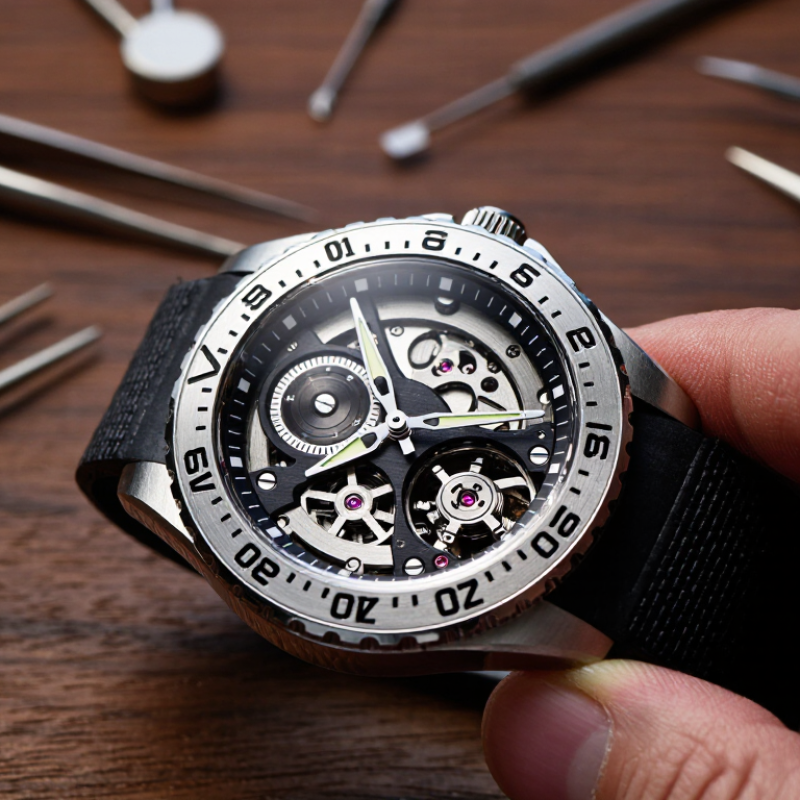
A loose rotating bezel needs identification before any repair attempt. A unidirectional bezel turns in one direction, usually counterclockwise, and supports elapsed-time tracking. A bidirectional bezel turns both ways and may serve timing, navigation, or simple visual adjustment. A fixed bezel should not rotate at all.
Place the watch on a soft cloth. Apply gentle finger pressure at the twelve o’clock marker. Turn the bezel slowly and note its movement, resistance, and clicks. A unidirectional system should not reverse under light pressure. A bidirectional system normally rotates smoothly in either direction. A fixed bezel may only flex slightly; that movement can indicate damage rather than normal operation. Check whether the bezel lifts unevenly, rattles, or leaves a visible gap above the case.
I have seen owners force a stiff bezel and bend the retaining ring. That mistake is easy to make. My early diagnosis was not always correct, especially when dirt hid the actual cause. A loose bezel may involve a worn friction spring, displaced gasket, damaged retaining ring, or debris beneath the assembly. Do not add household oil. It can collect grit and affect seals. A professional should inspect the bezel with proper tools, confirm water resistance, and replace damaged components. If the watch has been exposed to saltwater, rinse the exterior with fresh water before inspection, without pressing a loose bezel. Keep the bezel still.
| No. | Bezel System | Typical Loose-Bezel Symptom | Likely Cause | Recommended Fix | Basic Tools | Difficulty | Important Caution |
|---|---|---|---|---|---|---|---|
| 1 | Unidirectional dive bezel | Rotates in both directions, moves too easily, or does not click consistently. | Displaced click spring, worn ratchet teeth, damaged bezel gasket, or dirt beneath the bezel. | Remove and clean the bezel only with the correct case-safe method; reposition or replace the click spring and inspect the gasket. | Case cushion, plastic pry tool, blower, magnification, replacement spring if required. | Medium to high | A dive bezel should normally turn counterclockwise only. Do not rely on it for diving until professionally tested. |
| 2 | Unidirectional click bezel | The bezel lifts slightly from the case or has uneven click positions. | Retaining wire or tension ring is bent, incorrectly seated, or partially broken. | Remove the bezel, check the retaining component for distortion, and replace it if it no longer provides even tension. | Non-metal pry tool, loupe, soft tray, replacement retaining ring. | High | Do not bend a thin retaining ring repeatedly; metal fatigue can cause the bezel to detach. |
| 3 | Bidirectional click bezel | The bezel rotates clockwise and counterclockwise but feels loose or skips clicks. | Worn click mechanism, weak spring, contaminated teeth, or incorrect assembly. | Clean the click path, inspect the spring and teeth, then replace damaged parts rather than adding heavy lubricant. | Plastic tool, soft brush, air blower, loupe, suitable replacement parts. | Medium to high | Bidirectional movement is normal for some watches, so do not convert it to unidirectional operation without the correct design. |
| 4 | Bidirectional friction bezel | The bezel turns smoothly without clicks and shifts during normal wear. | Aged or compressed friction gasket, insufficient tension, or dirt between contact surfaces. | Clean the contact surfaces and replace the friction gasket if it has hardened, flattened, or lost elasticity. | Plastic tool, lint-free cloth, silicone-compatible gasket grease, replacement gasket. | Medium | Use only a very small amount of compatible lubricant; excess grease can attract dust and make the bezel unstable. |
| 5 | Friction-fit bezel | The bezel rocks from side to side or can be lifted with very little force. | Loose retaining ring, worn case groove, distorted bezel skirt, or missing gasket. | Inspect the groove and bezel skirt; replace the worn retaining part instead of forcing the bezel back into place. | Case holder, plastic pry tool, loupe, replacement ring or gasket. | Medium | Never use instant adhesive. Adhesive can damage the case finish, block servicing, and compromise water resistance. |
| 6 | Fixed bezel | The bezel should not rotate, but it rocks, lifts, or leaves a visible gap. | Loose bezel screws, failed adhesive used by the original construction, damaged case seat, or impact deformation. | Check for visible screws and case damage; tighten only with the correct torque and have a damaged case seat repaired professionally. | Correct screwdriver, case holder, torque-controlled tool, magnification. | Medium to high | A fixed bezel is not a rotating bezel. Do not pry it repeatedly or attempt to add a rotation mechanism. |
| 7 | Screw-secured bezel | The bezel has visible fasteners and moves because one or more screws are loose. | Loose screw, damaged thread, missing washer, or uneven tightening. | Use the exact screwdriver size, tighten gradually in an alternating pattern, and replace damaged screws or washers. | Precision screwdriver, magnification, thread inspection tool, torque driver. | Medium | Overtightening can strip small threads or deform the bezel. Avoid thread-locking chemicals unless specified for the construction. |
| 8 | Rotating bezel with a damaged insert | The bezel feels mechanically secure, but the scale insert rattles or shifts. | Loose insert, deteriorated adhesive, impact damage, or moisture beneath the insert. | Remove the insert using a non-marring method and fit a properly sized replacement with suitable adhesive or a mechanical retainer. | Plastic blade, adhesive-removal tools, lint-free cloth, correctly sized insert. | Medium | Do not confuse a loose insert with a loose bezel. Keep moisture away from the dial and movement during repair. |
| 9 | Bezel with a hardened gasket | Rotation is rough, sticky, uneven, or accompanied by cracking and visible residue. | Aged gasket material, dried lubricant, corrosion, or contamination in the bezel channel. | Replace the gasket, clean the channel, and apply only the lubricant specified for the gasket material. | Plastic tool, gasket pick, cleaning cloth, compatible silicone lubricant. | Medium | Do not use petroleum-based products on rubber or silicone sealing components unless compatibility is confirmed. |
| 10 | Bezel loosened after impact | Sudden wobble, misalignment, sharp edges, or partial separation after a drop or collision. | Bent bezel, distorted case lip, displaced spring, cracked insert, or hidden case damage. | Stop rotating the bezel, check for deformation, and seek professional inspection before pressing or refitting any parts. | Soft case holder, loupe, camera for documentation; specialist tools usually required. | High | After impact, water resistance cannot be assumed. Avoid water exposure until seals and case integrity are tested. |
Safety note: Before attempting any repair, identify whether the bezel is unidirectional, bidirectional, or fixed. If the watch is water-resistant, opening or removing the bezel can affect sealing; professional pressure testing is recommended after service.
It should turn counter-clockwise only. It must not move clockwise accidentally. A clockwise shift can display less elapsed time. That creates a dangerous timing error underwater.
Inspect it under bright light. Look for lifting, wobbling, uneven clicks, or skipped positions. Check the retaining ring, spring, gasket, and bezel teeth. Small movement matters.
Rinse away salt and dust with clean water. Dry the case completely afterward. Remove metal flakes and old lubricant from the bezel groove. Do not leave moisture trapped inside.
No. A knife can bend the retaining spring or scratch the case. A thin plastic tool is safer, but professional removal is better. I might still underestimate the risk at home.
Damaged springs, gaskets, retaining rings, or bezel teeth may need replacement. Use correctly sized components. Lubrication should be minimal and suitable for watch seals. Too much grease attracts grit.
Press the bezel down evenly with a case press and correctly sized die. Keep the watch level. Rotate it slowly in both directions after installation. It should turn firmly, without wobbling or skipping.
Count each click and check the marker at twelve o’clock. A displaced click spring can cause misalignment. It may look acceptable at first. That detail is easy to miss.
Not until qualified personnel complete pressure and functional testing. For a 100-meter rating, testing should follow the technical procedure and equipment requirements. Also inspect crown seals, crystal seating, caseback tension, and gaskets. If the watch fails, keep it away from water.
Fixing a loose rotating watch bezel begins with identifying its design: unidirectional, bidirectional, or fixed. Carefully measure the bezel play with a 0.05 mm feeler gauge, then inspect the bezel assembly for common problems such as damaged or displaced gaskets, weak click springs, dirt, corrosion, worn teeth, bent retaining rings, and poor seating. If you are researching how to fix a loose rotating watch bezel click spring, first confirm whether the spring is correctly positioned, providing sufficient tension, and free from deformation. Clean compatible parts without forcing them, replace worn components, and avoid excessive lubrication that may attract debris.
After reassembly, verify smooth rotation, firm engagement, and accurate click alignment. A unidirectional bezel must not rotate backward under normal hand pressure, consistent with ISO 6425:2018 safety principles. Finally, check the case seal and have the watch pressure-tested to 100 m by a qualified technician when its water resistance depends on proper professional testing.
