Ciso Tool Ciso Tool

How to Compare Deployment and Tang Buckle Costs in 2026

Time:2026-09-14 Author:Sienna
0%

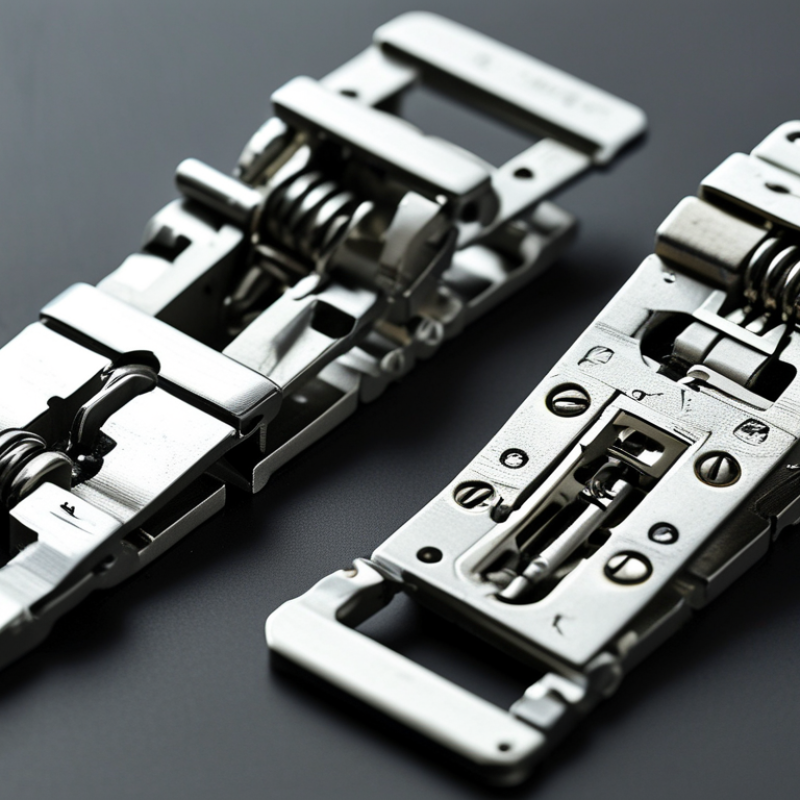
Comparing deployment and tang buckle costs in 2026 requires more than checking supplier quotations. The visible price reflects material, machining, finishing, assembly, testing, and quality-control time. A tang buckle usually uses a simple frame, pin, and prong. A deployment buckle adds hinges, folding arms, springs, release components, and tighter alignment requirements. More components create more production steps.

So, why are deployment buckles more expensive to manufacture than tang buckles? The answer usually begins with labor and tolerances. A deployment mechanism must open smoothly, close securely, and remain comfortable against the wrist. Each hinge can require drilling, polishing, fitting, and functional inspection. Small defects may cause rattling, uneven closure, or premature wear. Tang buckles are not risk-free, but their simpler geometry often supports faster stamping and easier inspection.

Market conditions also matter. The Federation of the Swiss Watch Industry reported Swiss watch exports of approximately CHF 26 billion in 2024, while export value declined 2.8% year over year. That result shows why premium suppliers may protect quality margins, even when demand softens. Deloitte’s Swiss Watch Industry research also highlights continuing pressure from costs, supply chains, and changing consumer demand. These pressures can influence buckle quotations, especially for stainless steel, titanium, ceramic, or precious-metal finishes.

A practical 2026 comparison should separate tooling, unit cost, finishing, assembly, testing, and minimum-order charges. Ask for a component-level quotation. Compare identical materials and surface treatments. Otherwise, the cheaper option may only appear cheaper.

Estimates remain imperfect. Supplier location, order volume, design complexity, and rejection rates can change the result substantially.
How to Compare Deployment and Tang Buckle Costs in 2026

Defining Deployant and Tang Buckle Designs

How to Compare Deployment and Tang Buckle Costs in 2026

Defining deployant and tang buckle designs starts with their mechanics. A deployant buckle folds around the wrist and usually uses hinged arms, a clasp, and several small pins. It can distribute pressure more evenly. It may also reduce leather bending near the hole. A tang buckle uses a frame, a prong, and one keeper loop. Its structure is simpler, lighter, and usually faster to assemble. Fewer parts often mean lower manufacturing costs. Not always.

The cost gap depends on material, finishing, tolerances, and inspection time. Stainless steel is generally cheaper than precious metal, while polished edges require extra handling. A deployant may need tighter alignment across moving joints. That raises machining and quality-control demands. In practical sourcing work, I would request separate quotes for components, assembly, plating, packaging, and failure testing. A neat estimate can still mislead. Small hardware costs add up.

Industry data gives useful market context, but not a perfect buckle price. The Federation of the Swiss Watch Industry reported Swiss watch exports of about CHF 26.0 billion in 2024, despite a 2.8% annual decline. Deloitte’s 2024 Swiss Watch Industry Study also described continuing pressure on prices and consumer value perceptions. Bain and Altagamma valued the 2024 personal luxury market at approximately €1.48 trillion. These figures suggest cautious purchasing. Therefore, compare lifetime use, replacement frequency, wrist comfort, and production complexity—not only the initial quotation.

Identifying the Main Cost Factors in 2026

How to Compare Deployment and Tang Buckle Costs in 2026

Identifying the Main Cost Factors in 2026

Deployment buckles usually cost more because they need hinges, pins, springs, and tighter assembly control. Tang buckles use fewer parts. Their price often depends on stamping, machining, polishing, and plating. Material remains the largest variable. The World Gold Council reported over 5,000 tonnes of gold demand in 2024, including over-the-counter trading. Gold also reached 40 record highs that year. Precious-metal hardware will therefore need frequent quotation updates in 2026. A simple cost sheet can still mislead.

Production volume changes the calculation. A small order carries higher tooling, setup, inspection, and packaging costs per piece. Larger orders spread these expenses. However, deployment designs may create more rejected units if hinge alignment is inconsistent. Quality checks need gauges, pull testing, and cycle testing. Those steps add labor, but skipping them creates costly returns. That part is easy to underestimate.

Market demand also affects supplier pricing. The Federation of the Swiss Watch Industry reported 2024 exports of CHF 26.0 billion, down 2.8% from the previous year. Softer demand can encourage discounts, yet suppliers may protect margins through minimum-order quantities. Freight, insurance, plating chemicals, energy, and import duties further change the delivered cost. Compare landed cost, not only the factory quotation. Tang buckles are not always cheaper. Thin plating, poor tolerances, or weak prongs can erase the initial saving. I would also leave room for uncertainty, because 2026 metal and logistics forecasts remain imperfect.

Comparing Materials, Craftsmanship, and Durability

In 2026, deployment and tang buckle costs depend less on appearance than on construction. A tang buckle usually uses fewer components, so machining, assembly, and quality checks remain simpler. A deployment buckle adds hinges, springs, pins, and tighter tolerances. That extra hardware increases labor and failure points. Small details matter.

Material selection changes the calculation. The World Steel Association’s 2024 World Steel in Figures reported 1.89 billion tonnes of crude steel production in 2023. Stainless steel is widely available, but corrosion resistance still depends on alloy composition and finishing quality. The U.S. Geological Survey’s Mineral Commodity Summaries 2025 identifies chromium as an important alloying material for stainless steel.

Titanium can reduce weight, yet machining it demands specialized tooling. Plated alloys may cost less initially, but worn edges can expose the base metal. That is not always acceptable.

Craftsmanship often explains a larger price gap than raw material. A well-finished tang buckle should have smooth pin movement, even edges, and a properly aligned tongue. A deployment mechanism needs consistent spring tension and secure folding action.

ISO 9227 salt-spray testing can compare corrosion resistance, although it does not predict every real-world failure. In practice, sweat, dust, and repeated opening cycles are harder to reproduce. My own cost comparisons would treat advertised test results cautiously. A cheaper buckle may win the invoice, but poor tolerances can create replacement costs within months.

Evaluating Installation, Maintenance, and Replacement Costs

How to Compare Deployment and Tang Buckle Costs in 2026

Evaluating Installation, Maintenance, and Replacement Costs

A deployment buckle usually costs more to install than a tang buckle. Its folding mechanism needs accurate strap alignment and careful adjustment. A watch technician may charge extra for fitting, especially when the strap requires new holes or trimming. Tang buckles are simpler. Installation often takes only a few minutes with a spring-bar tool.

The difference becomes clearer during maintenance. A deployment buckle has hinges, pins, and locking surfaces that collect dust and skin oils. Cleaning may require small brushes and occasional lubrication. Tang buckles have fewer moving parts, so routine care is easier. Wipe either system with a soft, dry cloth after wearing it. Small habits matter.

Replacement costs depend on wear, material, and compatibility. A bent tang buckle may be replaced without changing the entire strap. A worn deployment mechanism can require a matching replacement, which may cost more. Check the buckle width before ordering. I once underestimated this detail and bought a part that looked correct but did not fit. That mistake added both shipping time and labor. In 2026, compare the full ownership cost, not just the purchase price: installation, cleaning, adjustment, and likely replacement. A technician’s written estimate is useful, though real wear can still change the final amount.

Choosing the Best Buckle Type for Different Budgets

When budgets differ, buckle choice can change both cost and daily comfort. A tang buckle usually needs fewer components, simpler machining, and less assembly time. In many supplier quotations, it costs about 30–60% less than a comparable deployment buckle. Actual pricing depends on steel grade, finishing, tolerances, and order volume.

Deployment buckles suit buyers who value quick removal and reduced strap bending. They often require hinges, springs, adjustment parts, and more inspection. That complexity raises production costs and potential service needs. A tang buckle remains the practical choice for entry-level watches, prototypes, and large-volume projects. It is simple. It is also easier to replace.

Industry data supports a cautious approach. The Federation of the Swiss Watch Industry reported Swiss watch exports of about CHF 26 billion in 2023, showing a large but highly segmented market. Deloitte’s Swiss Watch Industry Study 2024 also highlighted continuing price pressure and stronger consumer attention to value. Therefore, a higher buckle cost should provide a visible benefit, not just a premium appearance.

For a limited budget, allocate funds toward reliable plating, smooth edges, and a tested pin. For a mid-range product, a basic deployment mechanism may improve perceived quality. Luxury applications need tighter tolerances and longer cycle testing. However, I would not assume every deployment buckle lasts longer. Poor hinge design can disappoint quickly. Cost comparisons should include failure rates, return handling, and strap replacement, not only the initial quotation.

How to Compare Deployment and Tang Buckle Costs in 2026

Choosing the Best Buckle Type for Different Budgets

Entry budget

Tang buckles typically provide the lowest finished-unit cost and are suitable for high-volume, price-sensitive products.

Mid-range budget

A stainless-steel deployment buckle costs more but adds quicker one-handed operation and a more premium user experience.

Premium budget

Titanium and complex finishes increase machining, finishing, and quality-control costs for both buckle types.

Indicative 2026 manufacturing estimates in USD per finished buckle, excluding shipping, taxes, packaging, and custom tooling. Actual costs vary by order volume, dimensions, material grade, finishing, and quality requirements.

FAQS

Why does a tang buckle usually cost less than a deployment buckle?

It uses fewer parts, simpler machining, and less assembly time. Fewer parts mean fewer inspection points.

What extra components make a deployment buckle more expensive?

Hinges, springs, pins, and adjustment parts increase labor and precision requirements. Small tolerances matter.

Are stainless steel buckles always corrosion-resistant?

No. Alloy composition and surface finishing affect corrosion resistance. Sweat can still expose weak finishing.

Can titanium reduce buckle weight?

Yes. Titanium is lightweight, but specialized tooling makes machining more expensive.

Is a plated alloy buckle a good budget choice?

It may reduce the initial price. However, worn edges can expose the base metal.

What craftsmanship details should buyers inspect?

Check smooth pin movement, even edges, and proper tongue alignment. Test the folding action carefully.

Does a deployment buckle always last longer?

No. Poor hinge design can fail quickly. More hardware creates more possible failure points.

Which buckle suits an entry-level or large-volume project?

A tang buckle is usually practical. It is simple, replaceable, and often costs 30–60% less.

When is a deployment buckle worth the extra cost?

It may suit users wanting quick removal and less strap bending. The benefit should feel noticeable.

What costs should buyers compare beyond the original quotation?

Include failure rates, returns, service, and strap replacement. I might underestimate comfort without long-term testing.

Conclusion

In 2026, comparing deployment and tang buckle costs requires more than looking at the initial purchase price. A tang buckle uses a simple pin-and-hole structure, while a deployment buckle includes folding components, hinges, and often a locking mechanism. This difference explains why are deployment buckles more expensive to manufacture than tang buckles: they generally require more parts, tighter engineering tolerances, additional assembly, and more complex quality testing. Material selection, surface finishing, and craftsmanship also influence pricing, with premium metals and precise hand-finishing increasing production costs.

Long-term value should include installation, maintenance, adjustment, and replacement expenses. Deployment buckles may offer greater convenience, a secure fit, and reduced strap wear, but repairs can be more involved. Tang buckles are usually easier and less costly to install, maintain, and replace, making them suitable for budget-conscious buyers. Ultimately, the best choice depends on priorities: deployment designs may suit users seeking convenience and refined construction, while tang buckles provide practical performance and lower overall ownership costs.

Sienna

Sienna

Sienna is a skilled marketing professional with a deep expertise in our company’s core products and services. With a passion for innovation and detail, she plays a pivotal role in crafting insightful blog posts that not only highlight the unique features of our offerings but also provide valuable......