Ciso Tool Ciso Tool

Why Are CNC Machined Watch Cases Superior to Stamped Versions?

Time:2026-07-16 Author:Madeline
0%

When exploring the world of watchmaking, a crucial question arises: why are CNC machined watch cases better than stamped ones? The difference lies in precision and craftsmanship. CNC machining employs computer-controlled processes, allowing for intricate designs that stamped cases cannot achieve. This technology ensures consistency in quality, making each piece uniquely refined.

CNC machined watch cases offer enhanced durability. The materials used in CNC machining are often superior, providing resistance to wear and tear. This means that a CNC watch not only looks great but is built to last. Conversely, stamped cases may compromise strength for mass production, leading to variability in quality.

Consumers must also consider the aesthetics. CNC machining allows for fine details that elevate a watch’s design. These additional features contribute to the luxury appeal. However, this process can be costlier, reflecting the craftsmanship behind each piece. Potential buyers should reflect on their needs and preferences in order to make an informed choice.
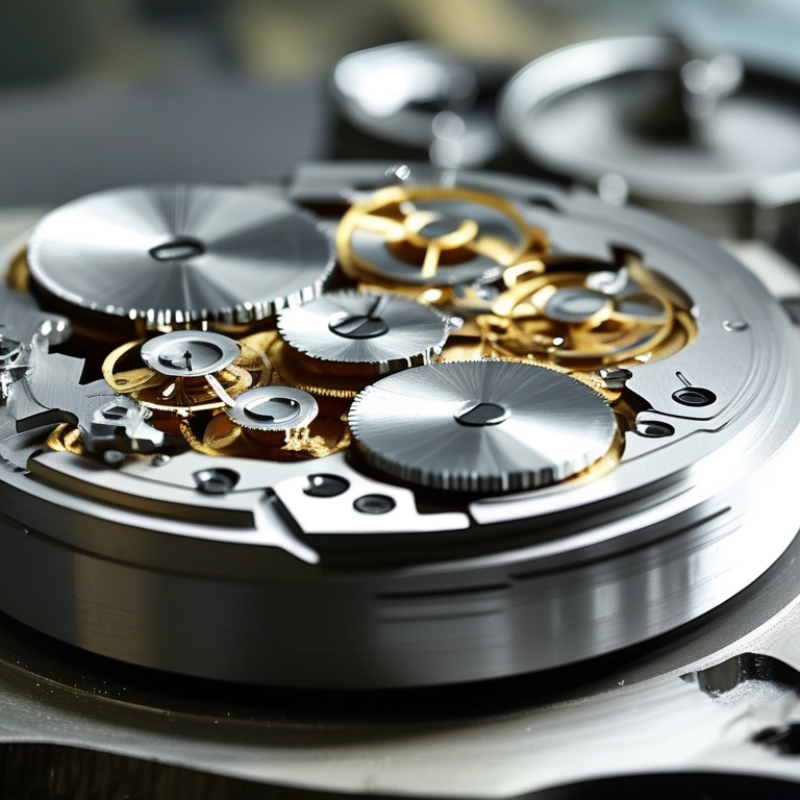
Why Are CNC Machined Watch Cases Superior to Stamped Versions?

Advantages of CNC Machining in Watch Case Production

CNC machining has revolutionized the production of watch cases, offering several advantages over traditional stamped versions. The precision of CNC machining allows for intricate designs that are often hard to achieve with stamping methods. Each piece is created with a high level of detail, which enhances aesthetic appeal and ensures durability.

One key advantage is the material versatility offered by CNC machining. Metal alloys can be used for better performance and weight reduction. This flexibility permits designs that are both lightweight and robust. Additionally, the tolerances achieved through CNC machining lead to seamless fitment for internal components. This is essential for maintaining watch functionality and longevity.

Tip: Regularly assess the sourcing of materials for CNC machining. Proper selection can dramatically influence the final product quality. Quality materials ensure that the watch case withstands daily wear and tear.

Another point worth reflecting on is the environmental impact. While CNC machining may produce less waste than traditional methods, energy consumption can be a concern. It’s essential to evaluate sustainable practices along the production chain. With careful management, CNC machining can be more environmentally friendly.

Tip: Consider energy-efficient machinery allowing for lower operational costs and reduced environmental footprint. It’s a practical way to support sustainable manufacturing without sacrificing quality.

Comparison of CNC Machined and Stamped Watch Cases

CNC machined watch cases stand out due to their precision and quality. Unlike stamped cases, which rely on mass production techniques, CNC machining offers a more tailored approach. This method removes material layer by layer, allowing for intricate designs and custom fits. As a result, the surface finishes on CNC cases are often more refined and visually appealing.

Stamping can lead to imperfections. These can include uneven edges or minor flaws that affect both durability and aesthetics. In contrast, CNC machining minimizes such issues, providing consistent quality throughout production. However, it can be noted that the machining process may generate waste. This aspect raises questions about sustainability in manufacturing practices.

The material options available for CNC cases are also superior. Choices like titanium or high-grade stainless steel provide exceptional strength. Stamped cases often use lower-quality metals, impacting longevity. Yet, CNC machining requires specialized equipment and skilled labor, which can increase costs. Therefore, while CNC machined cases offer many advantages, the investment needed warrants careful consideration.

Material Quality: CNC Machining vs. Stamping Techniques

CNC machining and stamping are two core techniques in watch case manufacturing. The material quality often differs significantly between the two processes. CNC machining typically utilizes solid blocks of high-grade materials, ensuring consistent density throughout. In contrast, stamped versions are often made from metal sheets, leading to variances in thickness and possible weak points. Reports indicate that cases made from CNC methods can exhibit up to 30% greater structural integrity than stamped parts.


The precision of CNC machining leads to better finishes and tighter tolerances. This means that parts fit together more seamlessly, reducing the risk of mechanical failures over time. For instance, studies show that components produced through CNC techniques have tolerances as tight as ±0.01 mm. Such precision ensures higher durability and longevity, making them more appealing to discerning consumers. However, one must consider potential drawbacks too. CNC machining can lead to increased waste material, and the process itself remains more time-consuming. This is a trade-off that brands must navigate in their production strategies.

Precision and Detailing: The CNC Machining Advantage

CNC machined watch cases stand out for their precision and detailed craftsmanship. Unlike stamped cases, which can suffer from inconsistencies, CNC machining uses computer-controlled tools for a high level of accuracy. This process ensures that every cut, every contour, is crafted with care. Details like the case finish and engravings achieve a quality that is often unmatched.

The technology allows for customization in design. Watchmakers can create intricate patterns and shapes that cater to various aesthetic preferences. Yet, there are challenges in balancing complexity with functionality. While the precision is remarkable, not all designs translate well into actual use. It requires thoughtful consideration to create pieces that not only look good but also perform reliably.

Despite the advantages, CNC machining isn't devoid of drawbacks. The cost of production can be high, and the process is time-consuming. Some designs may also lead to additional weight, impacting the wearer’s comfort. These factors lead to ongoing discussions about the best practices in watch design and manufacturing. Balancing artistry with practicality remains a crucial conversation in this space.

Impact of Manufacturing Methods on Watch Durability and Aesthetics

CNC machining has transformed the watch industry, providing a level of precision that stamped cases simply cannot match. The process involves removing material with computer-controlled tools. This results in cases that are not only durable but also more intricate in design. Each component can be tailored, leading to unique aesthetics.

Stamping, on the other hand, can compromise strength. This technique often results in metal that is thinner and more susceptible to wear. While stamped cases can be produced quickly, they may lack the longevity of their CNC counterparts. Some argue that stamped cases have a certain charm, but this can lead to questions about durability over time.

When it comes to aesthetics, CNC machining allows for complex shapes and finishes that stand out. Think of the unique textures and patterns created through this method. Stamped cases may appear uniform, but they miss the intricate details that make a watch special. Addressing these differences highlights a need for reflection on what truly matters in watchmaking—form versus function.

FAQS

: What advantages does CNC machining offer in watch case production?

: CNC machining allows for intricate designs and high detail, enhancing aesthetic appeal and durability.

How does material versatility affect watch cases?

CNC machining enables the use of various metal alloys, resulting in lightweight yet robust designs.

Why is precision important in CNC machining?

Precision ensures seamless fitment for internal components, vital for watch functionality and longevity.

What should be considered when sourcing materials for CNC machining?

Regularly assess material quality as it significantly influences the final product's durability.

Are there environmental concerns with CNC machining?

Energy consumption can be a concern, so sustainable practices must be evaluated in production.

How do CNC machined cases compare to stamped cases?

CNC cases offer superior quality and precision, while stamped cases may have imperfections affecting durability.

What are some challenges of CNC machining?

High production costs and time consumption can be drawbacks, alongside balancing design complexity with functionality.

Can designs from CNC machining be customized?

Yes, CNC machining allows for intricate patterns, though not all can be practical for use.

What impact does the choice of material have on watch longevity?

Superior materials like titanium provide better strength, extending the lifespan of the watch case.

Is the aesthetic finish different between CNC and stamped cases?

Yes, CNC cases typically have more refined finishes, enhancing their overall visual appeal.

Conclusion

CNC machined watch cases are often considered superior to stamped versions for several compelling reasons. One primary advantage lies in the precision and detailing achievable through CNC machining, enabling the creation of intricate designs and exact dimensions that stamped cases often lack. The advanced technology allows for tighter tolerances, resulting in a better fit and finish that enhances the overall aesthetic appeal of the watch.

When comparing material quality, CNC machining typically uses higher-grade materials, contributing to increased durability and longevity of the watch cases. In contrast, the stamping process may compromise the integrity of the materials used. Additionally, the impact of the manufacturing method plays a significant role in the watch's endurance against daily wear and tear. Therefore, when exploring the question of why are CNC machined watch cases better than stamped ones, it is clear that precision, material quality, and durability set CNC machined options apart as the preferred choice for watch enthusiasts.

Madeline

Madeline

Madeline is a dedicated marketing professional with a wealth of expertise in our company's core offerings. With a keen understanding of the industry, she brings a unique perspective to her role, consistently delivering high-quality content that highlights the superior aspects of our products. As......